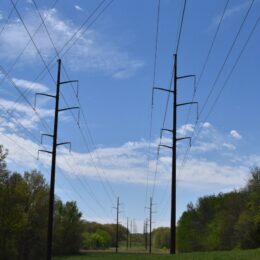
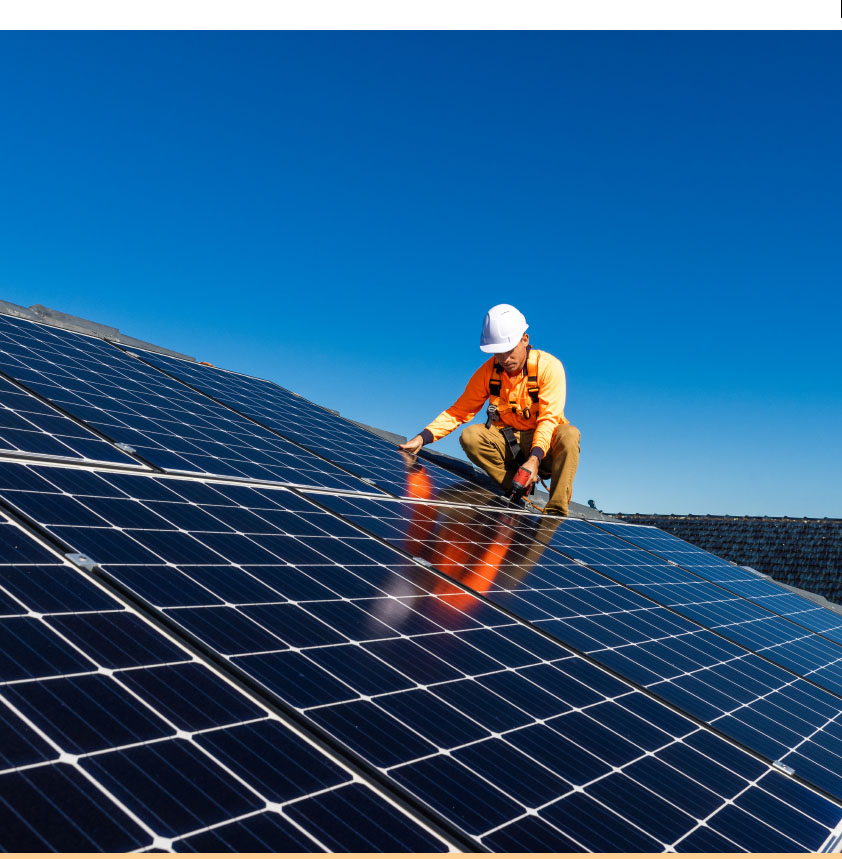
A residential solar system with battery storage differs from a solar array only system primarily in its ability to store excess energy for later use. A solar array without a battery is typically tied to the electrical grid. During the day, it powers your home and sends excess electricity back to the grid, earning credit at wholesale value. However, when the sun isnt shining at night or during cloudy days you must draw power from the grid, often at higher rates. Importantly, grid-tied systems shut down during power outages for safety, meaning you wont have power even if the sun shines.
In contrast, adding a battery storage system allows you to store the extra energy your solar panels produce during the day and use it when the sun goes down or during a grid outage. This not only provides backup power when the grid is down but can also help reduce your electricity bill further by avoiding peak utility rates, utilizing a time-of-use rate. Although battery systems come with higher upfront costs, they offer greater energy independence, improved reliability. They can help reduce your homes carbon footprint even more by maximizing the use of clean solar energy.