By Jeff Conrad
In Indiana, the month of May brings a familiar rhythm. The Indianapolis 500 captures our attention, and with it comes the language of racing, preparation, precision, teamwork, and strategy. Drivers don’t just show up on race day and hope for the best. Success is built through months of planning, testing, and coordination long before the green flag waves. Reliable electricity works much the same way.
Like you, I’m a co-op member. I expect the lights to come on, my home to stay comfortable, and my community to have dependable power every day. Most of the time, I don’t think twice about it. That’s exactly how it should be.
As CEO of Wabash Valley Power Alliance, the work that makes that reliability possible is always front and center for me. When power is dependable, it’s not by accident. It’s the result of careful planning and constant coordination behind the scenes.
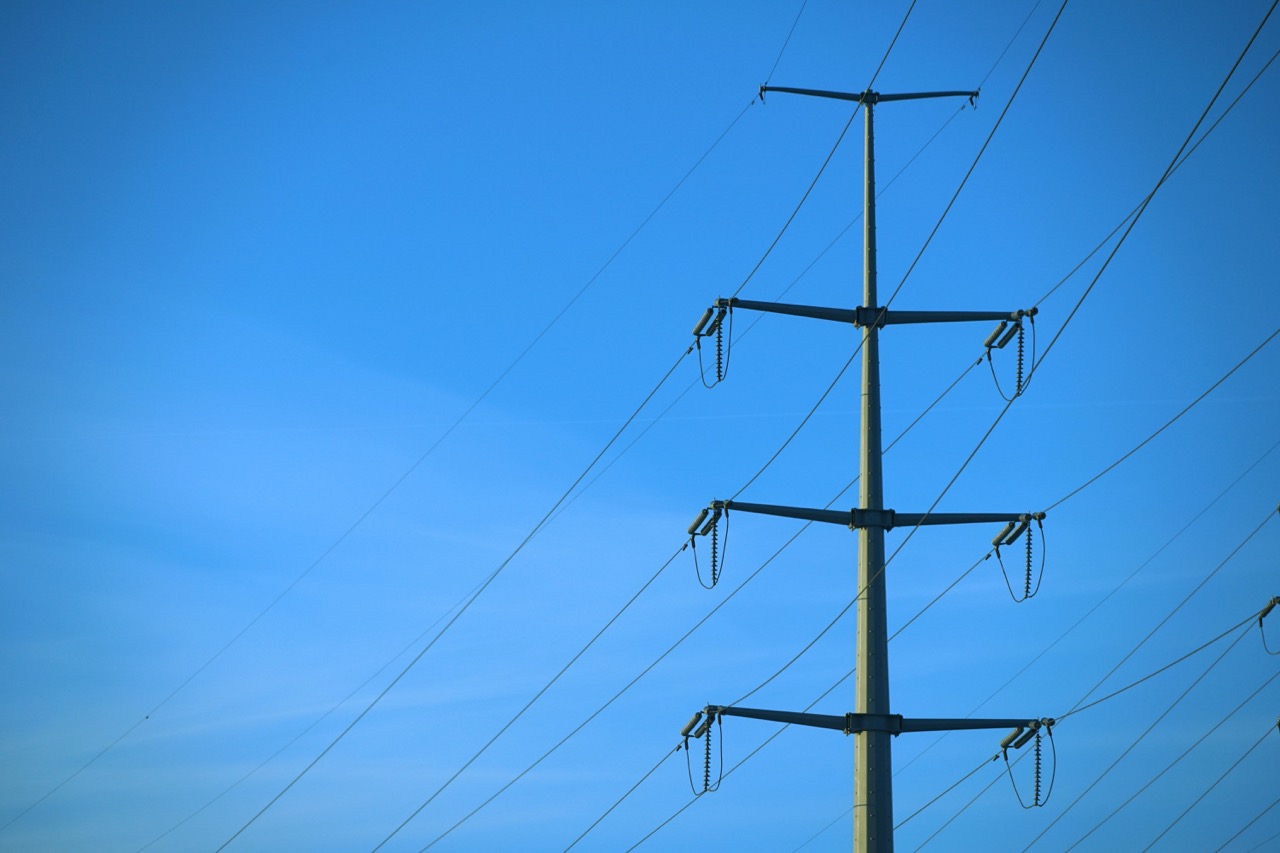
Reliable electricity depends on generation and transmission working together seamlessly. Power must be produced at the right time and delivered across a transmission system capable of moving it efficiently to local co-ops. Keeping those pieces aligned takes continuous coordination, even though most of that work happens out of sight.
Planning ahead is one of the Wabash Valley Power team’s most important responsibilities. We look years into the future to understand how demand is changing, what resources will be available, and how the transmission system must perform to keep power flowing reliably. That long-term perspective allows us to make disciplined decisions rather than reacting when conditions are already tight.
In many ways, the decisions we make today are about races that won’t be run for years. New generation resources, transmission investments, and system upgrades often take five, seven, or even 10 years to fully come online. The choices made now help ensure the system will be ready to meet future demand.
Preparation also means stress-testing our plans. We examine how the system performs during extreme weather, equipment outages, fuel constraints, and sudden changes in demand. Identifying risks early allows us to adjust course before small issues become bigger problems.
This month, drivers at the Indianapolis Motor Speedway measure success by crossing the
Yard of Bricks and seeing the checkered flag. In our work, success looks a little different. It’s flipping the switch and seeing the lights come on, knowing families, farms, and businesses have the power they depend on every day. That may not come with a trophy, but for our members and our team, it’s what matters most.
Jeff Conrad is CEO of Wabash Valley Power Alliance, headquartered in Indianapolis