
Jay County REMC


 Jay County REMC is a member-owned electric cooperative headquartered in Portland, Indiana. As a cooperative, Jay County REMC follows seven core principles that are universal to cooperatives worldwide. Among those principles is one stressing education, training and information. Indiana Connection, a monthly magazine published especially for Indiana’s electric cooperative members, is one way the REMC informs and educates its members. Indiana Connection is available not only in a print format, but as an electronic publication for those who prefer getting their information on their electronic devices.


More Stories
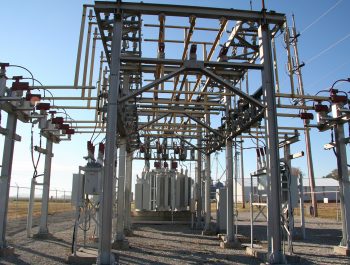
Modern substations
Graphic courtesy of NRECA


Keep metallic balloons inside
Metal-coated balloons, or Mylars, can cause electric infrastructure problems and pose a public safety risk. They are linked to thousands of power outages each year. The metallic coating can conduct electricity and cause a short circuit or power surge when in contact with power lines. This can lead to large-scale power outages, melting of electrical wires, and… Continue reading.

Navigating growth
I make it a point to get out into our co-op communities. There is one topic that seems to come up everywhere I go. Whether I’m meeting with directors, talking with community leaders, or visiting with our member co-ops, the conversation often turns to growth. New investment. New businesses. New opportunities. And increasingly, questions about… Continue reading.

A story numbers can tell
I’ve mentioned before in this column that I have a degree in accounting. It’s probably no surprise, then, that I’m a bit of a numbers guy. But here’s something you might not expect: the numbers themselves are rarely the most interesting part of my job. The conversations behind them are. One of my favorite conversations… Continue reading.

Celebrate safely
By Julie Young Although fireworks displays are a traditional part of our Independence Day celebrations, nearly 15,000 people are treated in emergency rooms for fireworks-related injuries each year. While some accidents are the result of amateurs attempting to launch professional-grade explosives, others are caused by legal fireworks that stay on the ground and can be… Continue reading.

The things we do and don’t see
Summer has a way of drawing our attention to the things right in front of us — the county fair, an evening ballgame, a weekend at the lake, a family reunion. These are memories of my Indiana summers growing up. What we rarely think about are all the things working quietly in the background that… Continue reading.

Why vegetation management matters
There’s something timeless about trees. They remind us of where we’ve been, and they stretch toward what’s ahead. Here in our community, we take pride in the natural beauty that surrounds us — the shade on a summer afternoon and the colors that mark the changing seasons. At the same time, we share another responsibility… Continue reading.
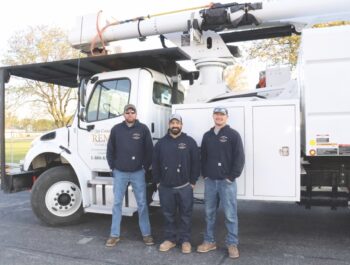
Guardians of the grid
Before storms ever hit or outages make headlines, a small crew is already at work keeping the lights on. At Jay County REMC, tree trimmers Chris Gage, Justin Fennig, and Josh Jackson play a vital role by clearing branches and managing vegetation along power lines. Their work helps prevent outages, protect equipment, and keep our… Continue reading.

Running for election
GET TO KNOW YOUR 2026 BOARD OF DIRECTOR CANDIDATES DISTRICT 2 No candidates DISTRICT 5 Phil Laux is a lifelong resident of Jay County and a graduate of Jay County High School. He attended Northwestern of Lima, Ohio, and earned a degree in HVAC/R. Laux worked at a local company before starting his own business… Continue reading.
Join us at your 2026 Annual Meeting
Even more reasons to attend your Jay County REMC Annual Meeting!

Why summer temperatures test the system
Whenever I can get outside, I am there. Just last month, I completed a half-marathon. Most of my training was outside, and I experienced all kinds of weather along the way. Maybe that’s why I enjoy summer so much. But from a professional standpoint, it can put us to the test. As temperatures rise, so… Continue reading.