The falling leaves serving as autumn’s trademark soon give way to dropping temperatures. As your heating system kicks on to keep you warm, inefficient energy use can cause higher winter power bills.
Your energy bills likely follow a seasonal pattern: they’re high in the summer from your air conditioner running, then lower in the fall as mild temperatures mean your heating and cooling systems run less. Come winter, your heating system will work overtime to keep you comfortable even on the most frigid days of the year. If you have an electric heating system, such as an air source heat pump, your winter bills can be among the most expensive of the year.
A heat pump is an invaluable piece of equipment that provides summer cooling and winter heating. Yet most air-source heat pumps operate properly down to about 30 F; after that, they need a backup heat source, such as heat strips. Electric resistance heating is not nearly as energy-efficient as a heat pump; it requires significantly more energy, which can lead to higher energy bills.
Fortunately, there are a few steps you can take to minimize your energy costs this winter:
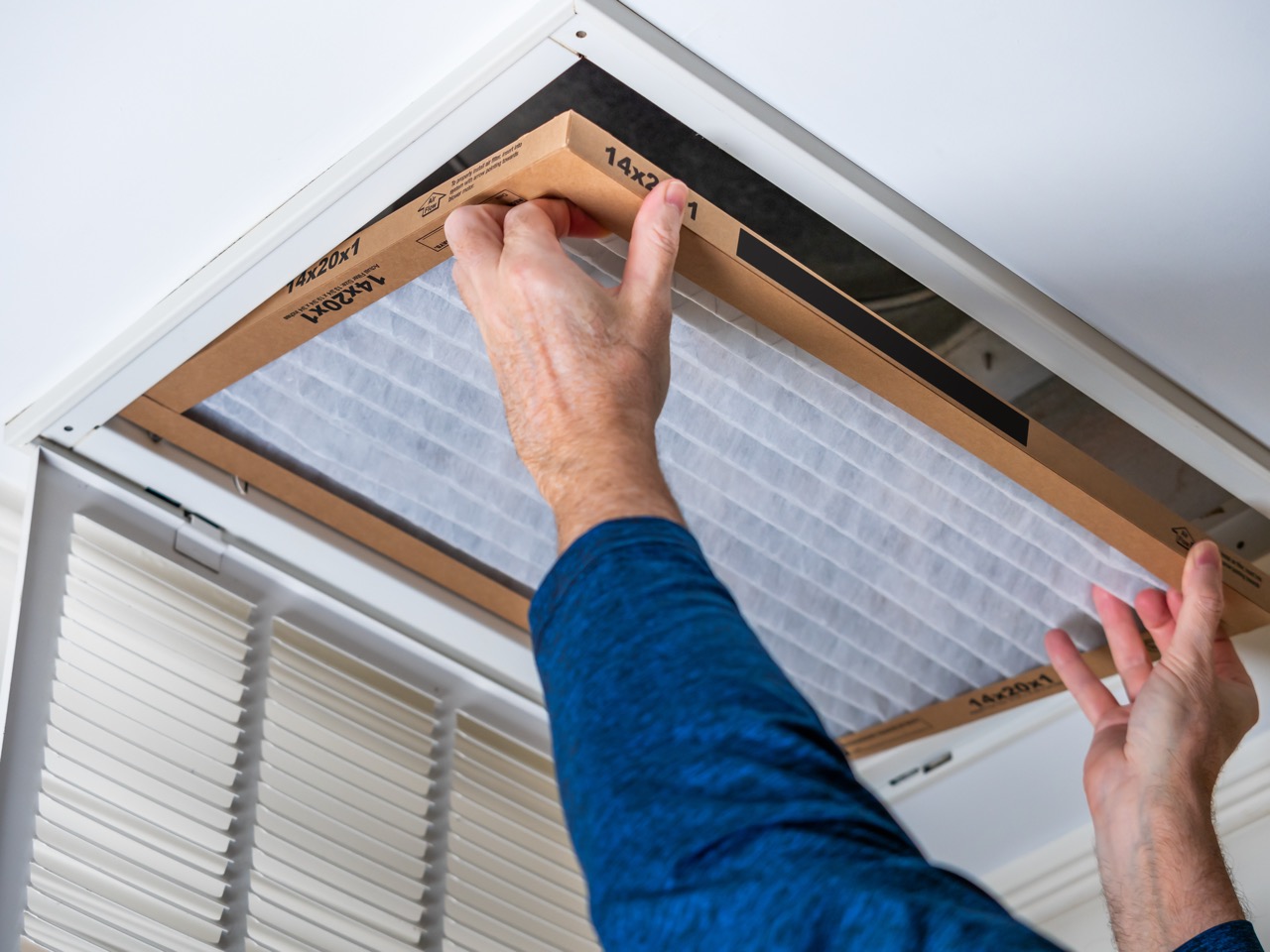
Change your furnace filter. The changing seasons are a good time to change your furnace filter. A clogged filter can restrict airflow, causing your heating system to work harder than necessary.
Service your heating system. Schedule an HVAC technician to clean and tune up your system. The technician can review and test components to make sure the system is ready for winter.
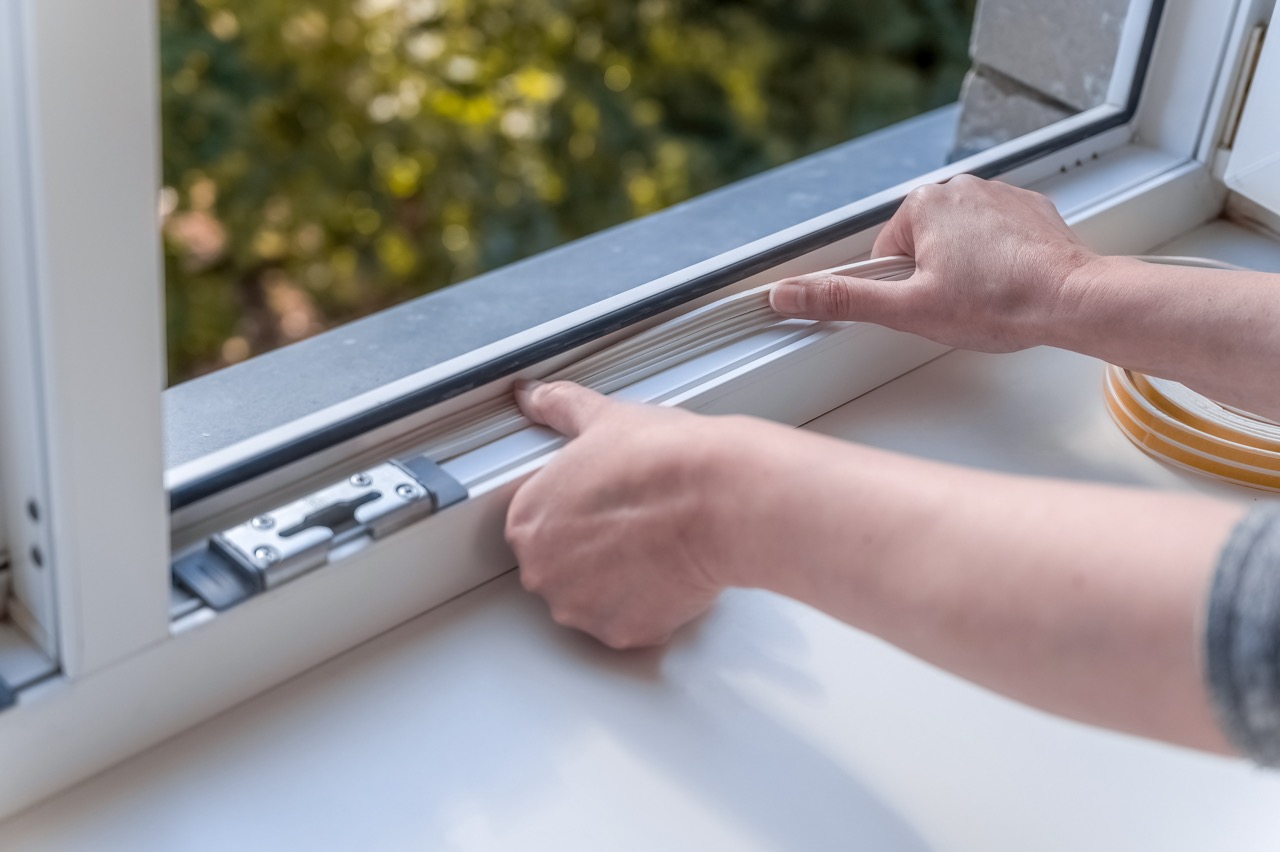
Seal any gaps around doors and windows. Tiny gaps around doors, windows, and other spaces may not seem like a big deal, but they cause air in your home to escape. That means your HVAC system needs to work harder than it should. You can seal those gaps and limit air escaping from your home, which costs you money.
Contact your energy advisor or co-op. If you still have questions about your home’s energy use, you can always contact your energy advisor or cooperative. They can review your home’s energy bills and help troubleshoot any issues, including recommending next steps to improve your home’s efficiency.
By taking these steps, you can prepare for extreme winter temperatures. That will prevent your wallet from feeling frozen this winter.

BRIAN PERRY is the member services manager at Marshall County REMC in Plymouth.