
BY CHRIS ADAM
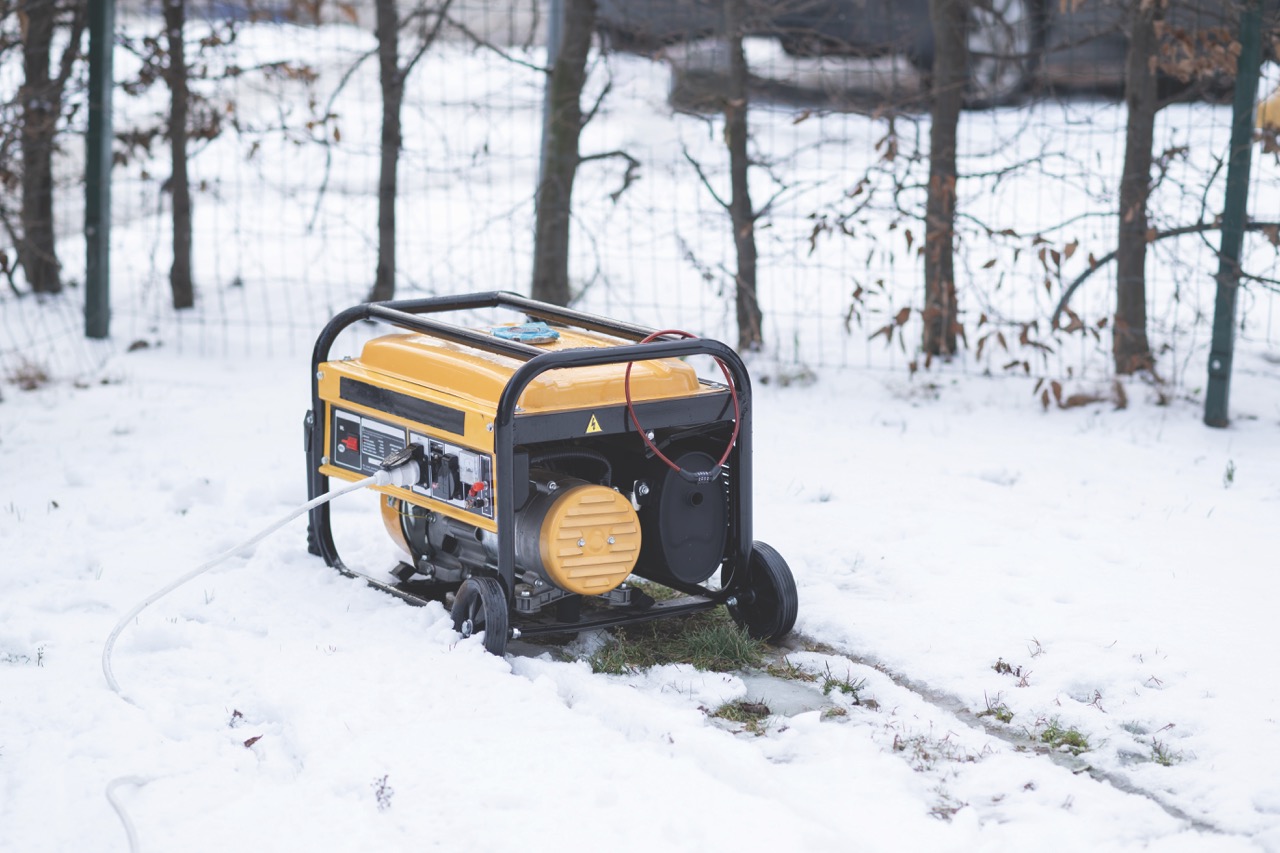
During a winter storm, a backup generator can help keep essential appliances running in case of a power outage. Generators are helpful for many reasons, but they also pose serious safety risks if not used properly.
“Weather-related power outages can happen at any time and are never convenient, so having a backup power source can be a lifesaver,” said Chris Gearld, director of safety, training and workforce development at Indiana Electric Cooperatives. “But portable generators can pack a powerfully dangerous punch if their use is taken lightly.”
Using a generator correctly can help prevent injuries and property damage.
Risk 1: Carbon monoxide poisoning
Small generators use a combustion engine that usually burns gasoline or other liquid fuels. Like any gas-powered machine, these small engines produce carbon monoxide. To prevent carbon monoxide poisoning, keep generators outdoors, away from doors, windows, and vents. Position your generator’s exhaust away from your home and locate the generator downwind, if possible.
Risk 2: Electrocution or electric shock
To avoid the risk of electrocution, do not use a generator in rainy or wet conditions. It’s also important not to handle the generator with wet hands.
Before plugging appliances or electronics into your generator, make sure it is sized appropriately for the total electrical load you want it to handle. Make sure all the cords fit properly and are undamaged.
To keep utility workers, neighbors, and those in your household from electrocution dangers, never plug your generator directly into your home’s wiring. “Backfeeding” sends power from the generator throughout your house in reverse and can even feed onto your electric utility’s power lines. Workers attempting to restore power might unexpectedly encounter this high voltage, which could cause fatal shock. To prevent a “backfeed,” have a professional install a transfer switch if you want your generator to run your home’s electrical system during an outage.
Risk 3: Burns and fire
When using a generator, store extra fuel in an ANSI-approved container in a cool, well-ventilated place away from fuel-burning appliances. Before refueling your generator, turn it off and let it cool. Gasoline spilled on hot engine parts could ignite.
Keeping these three risks in mind when installing or using your home’s generator will help protect your family, home, and community.