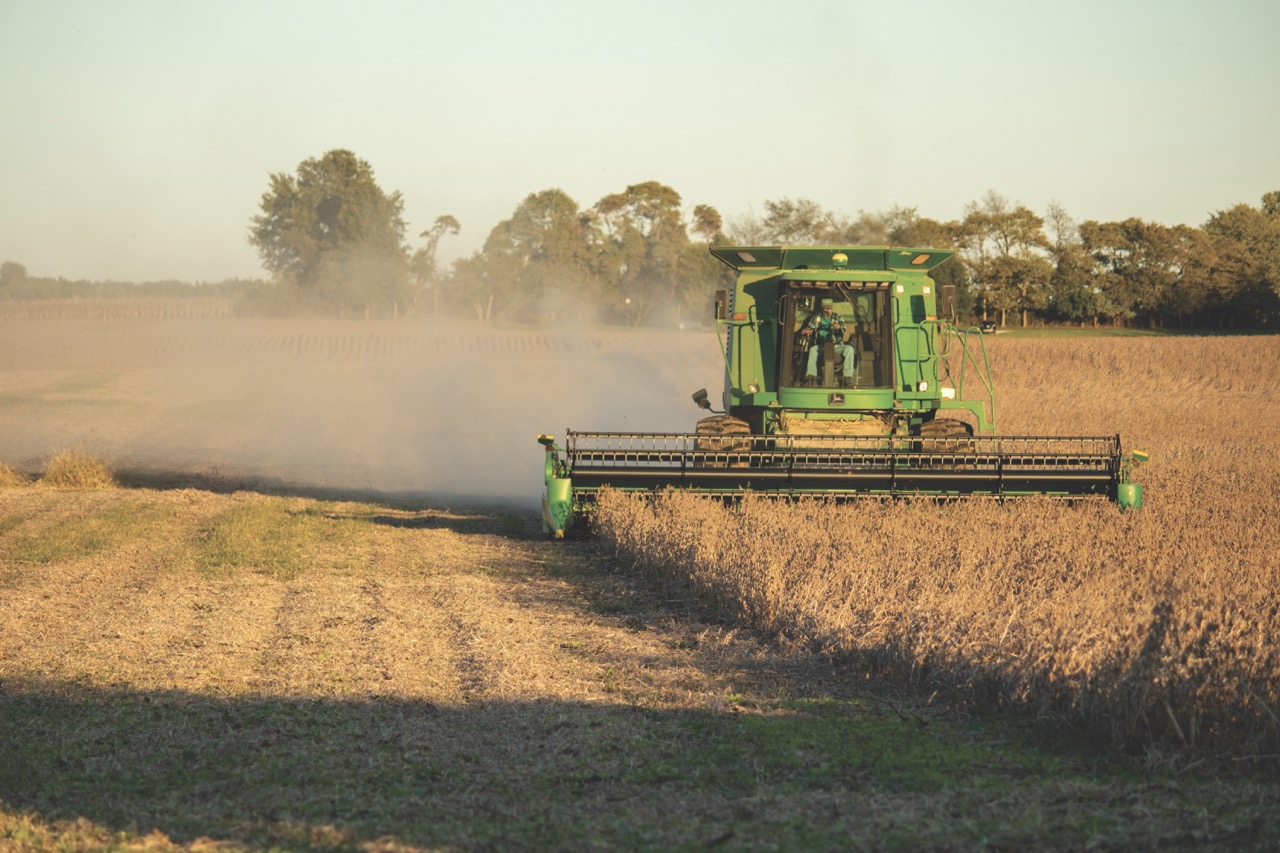
Farm equipment and machinery encountering power lines is a leading cause of injury among farmers. As harvest season approaches in Indiana, farmers and farm crews are busy moving equipment on roads and to and from fields. This increased activity raises the risk of accidents, warns Chris Gearld, director of safety, training and workforce development at Indiana Electric Cooperatives.
“Combines and grain augers are large pieces of equipment,” said Gearld. “People assume everything will fit under the power lines, but that isn’t always the case. The biggest cause of electrocutions on farms is equipment accidentally touching power lines.”
To prevent dangerous incidents, Indiana’s electric cooperatives offer the following safety guidelines:
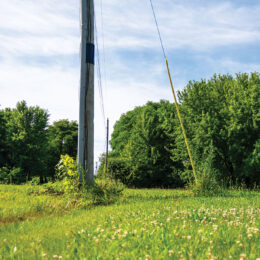
Observe your surroundings. Always check above and around before moving or raising equipment. Remember, power lines can sag, especially in hot weather. Maintain a minimum clearance of 10 feet from all power lines and poles.
Never try to raise power lines to allow tall equipment to pass through. Even non-metallic objects like wood poles or branches can conduct electricity.
Measure the height of power lines and machinery. Know the distance between the ground and the power lines, as well as between the equipment, to avoid contact with one another.
Be cautious around power poles. Striking a pole can cause it to break, dropping live wires onto your equipment.
Lower the equipment properly. Ensure that equipment such as grain augers and other portable equipment is fully lowered before transport.
Use a spotter. When navigating near power lines, having a spotter can enhance safety by providing an extra set of eyes.
Plan your route. Stay informed about where power lines and power poles are on the property. If there’s any doubt the equipment will not fit under a power line, opt for an alternative route.
Stay put in emergencies. If you’re in equipment that touches power lines, assume the equipment and ground are energized. Stay in the cab and call for help. Tell others to stay away and do not let anyone touch the equipment. In the rare case of a fire and an emergency exit is necessary, jump clear without touching the ground and the equipment simultaneously, and land with your feet together. Then, shuffle with both feet together for at least 30 feet to avoid electrical shock.
“Working the land has enough hazards in the work itself,” said Gearld. “With care and planning, moving to and from the fields shouldn’t be one of them.”