
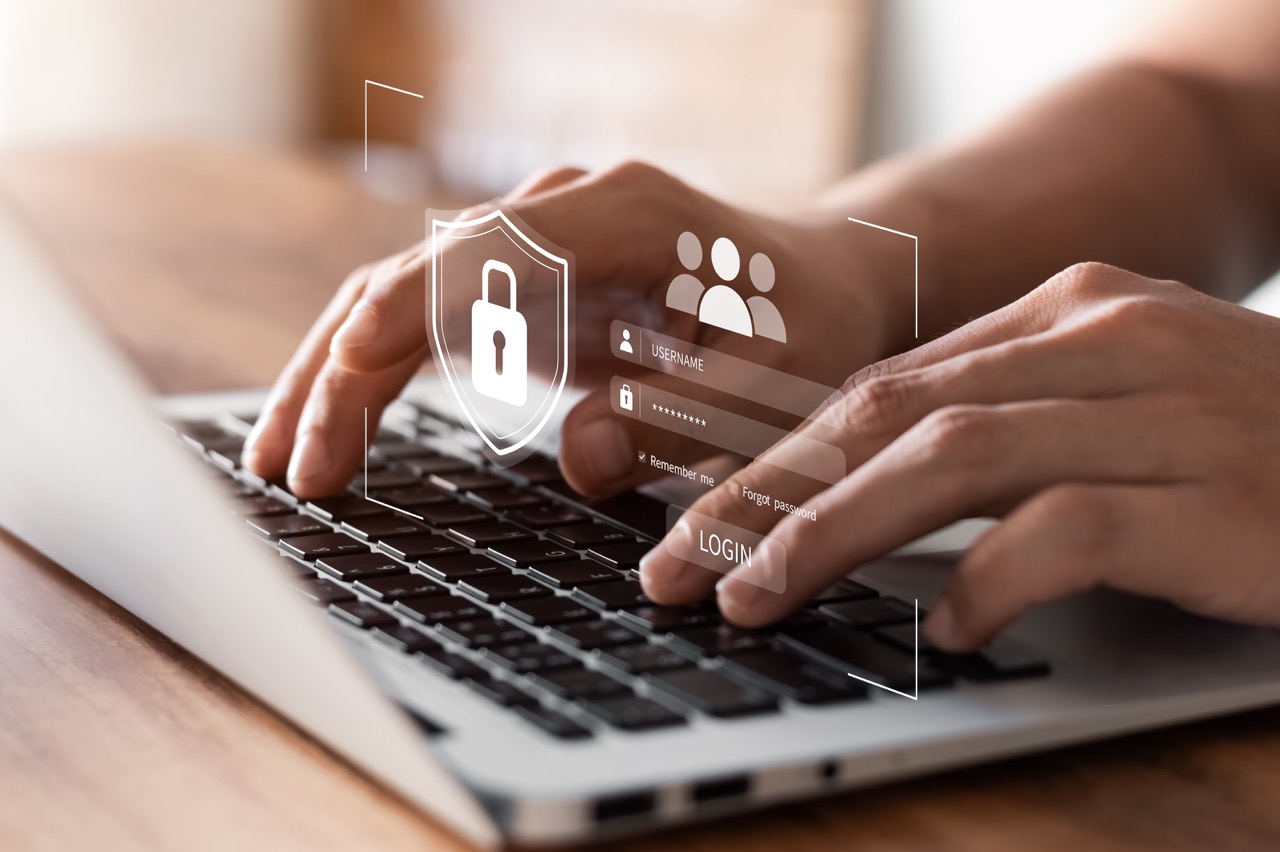
We use technology every day. While the digital world makes life easier, it also creates opportunities for cybercriminals. The good news is that many cyberattacks can be prevented by following a few simple cybersecurity habits.
Think Before You Click
One of the most common ways criminals gain access to personal information is through phishing. A phishing message may look like it comes from a bank, company, friend, or even a government agency. It may ask you to click a link, open an attachment, or provide personal information.
Before clicking, stop and ask yourself: Was I expecting this message? Does something seem unusual? When in doubt, contact the organization using an official phone number or website rather than the information provided in the message.
Use Strong Passwords
Passwords are an important first line of defense. Avoid using simple passwords such as birthdays, names, or common words. Instead, use long and unique passwords for your accounts.
It is also a good idea to use a reputable password manager. A password manager can help create and store strong passwords so you don’t have to remember them all.
Turn On Multi-Factor Authentication
Multi-factor authentication (MFA) provides an extra layer of protection. In addition to your password, you may be asked to enter a code, approve a notification, or use another method to confirm your identity.
Even if someone manages to steal your password, MFA can make it much harder for them to access your account.
Keep Devices Updated
Software updates aren’t just about getting new features. They often include security fixes that protect devices against known threats. Keep your phone, computer, apps, browsers, and other connected devices updated whenever possible.
Be Careful on Public Wi-Fi
Public Wi-Fi is convenient, but it is not always secure. Avoid accessing sensitive accounts or conducting important financial transactions on unfamiliar networks. When using public Wi-Fi, be especially cautious about the websites and information you access.
Protect Your Personal Information
Cybercriminals may use small pieces of information to impersonate you or gain access to your accounts. Be thoughtful about what you share online, including your address, phone number, workplace, travel plans, and other personal details.
Remember that information posted publicly can be difficult to take back.
Cybersecurity Is Everyone’s Responsibility
Cybersecurity doesn’t require you to be a technology expert. Simple habits — thinking before clicking, using strong passwords, enabling MFA, installing updates, and protecting personal information — can make a significant difference.
The most important step is awareness. By staying alert and making cybersecurity part of our everyday routine, we can all help create a safer digital world.