If you’re like many of us, the spring planting of cool-season veggies wasn’t the best. Some days it was too cold. Some days it poured rain. And some days were so hot that plants bolted or went to seed.
Welcome September! This is our second chance to plant cool-season veggies. Not sure what to plant in the fall Indiana garden? Here are plants that are easy to grow by direct sowing seeds outdoors, or readily available as transplants at garden centers.
Choosing the right vegetables
Sow seeds or plant transplants five to six weeks before the first frost. When selecting seeds for the fall vegetable garden, check the days-to-harvest on the packet. Look for plants that germinate and mature quickly. You don’t want a plant that needs 90 days to maturity.
Let’s start with lettuces, arugula, and spinach. Add mustard greens, Swiss chard, and kale to the mix. These are easy to grow in the ground or in containers. If rabbits are a problem, go with pots.
You can also sow seeds of root crops such as turnips, carrots, beets, and radishes. These, too, can be grown in containers, which may have looser soil that won’t deform the roots.
Thin these plants according to the seed packet instructions so the veggies have room to grow. Remember, you can eat the thinnings.
Fortunately, we are not alone in wanting even more yummies for the vegetable garden. This is where we thank garden centers and other retailers for offering us ready-to-plant specimens of broccoli, cauliflower, cabbage, and other brassicas.
Caring for your garden
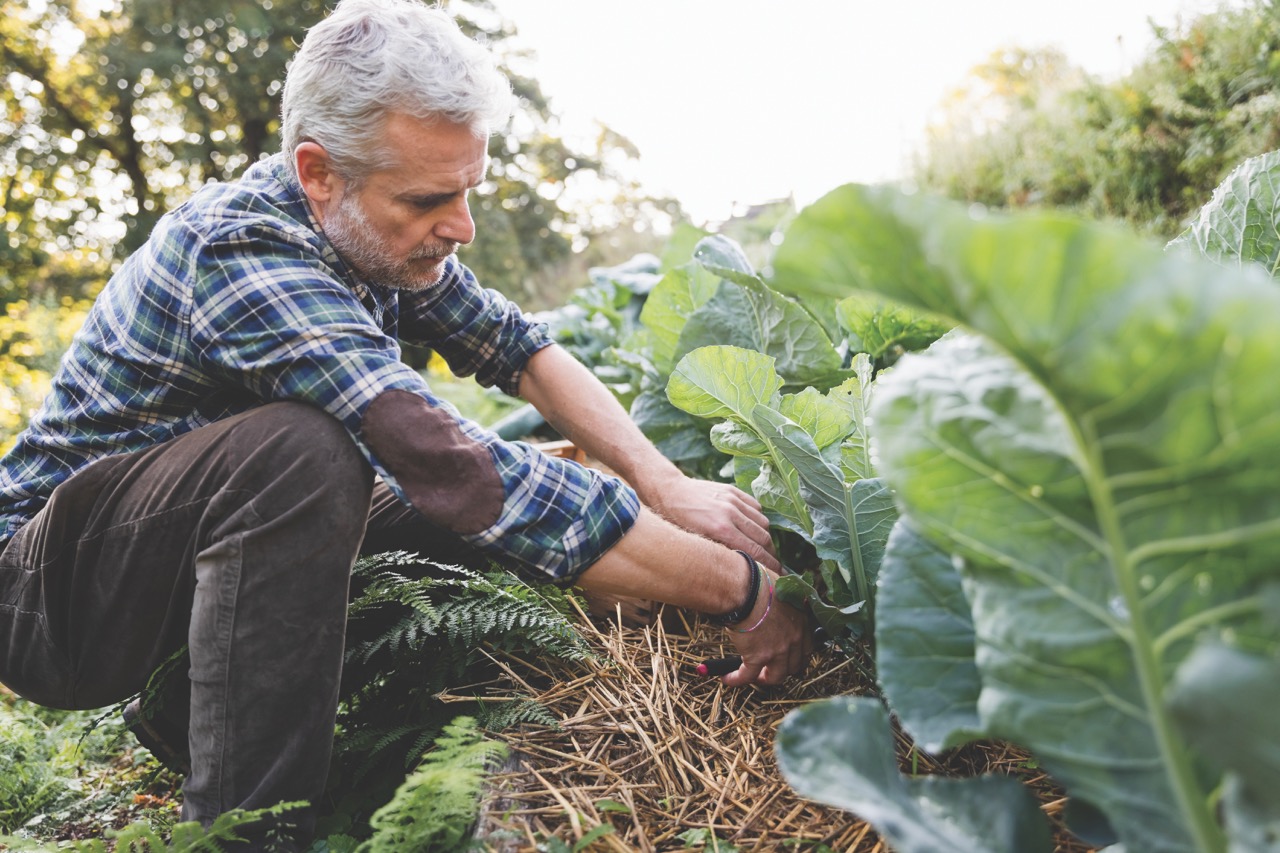
Mulch the newly planted veggies with chopped leaves, shredded bark, or compost. This helps protect plant roots.
To extend the harvest even more, be prepared to throw on crop covers or other protection when frost and freeze threaten. Straw also works well to insulate root vegetables from cold temperatures. Lettuce is the most susceptible to frost damage.
What about what’s still in the veggie garden? Keep tomatoes, peppers, and other producing vegetable plants that haven’t been taken by the season. Be sure to water these plants as they continue to produce.
Jo Ellen Meyers Sharp is a member of Garden Communicators International’s Hall of Fame. She blogs at hoosiergardener.com.