One of the best things about summer in the garden is the flowers. Even better, we can bring many of those flowers indoors to enjoy their beauty and fragrance.
Coneflowers, hydrangeas, lilies, cosmos, zinnias, dianthus, snapdragons, and other perennials and annuals stand ready to beautify your indoors. You can cut a few stems of shrubs and trees, viburnums, lilacs, dogwoods, and serviceberry.
When and how to cut flowers
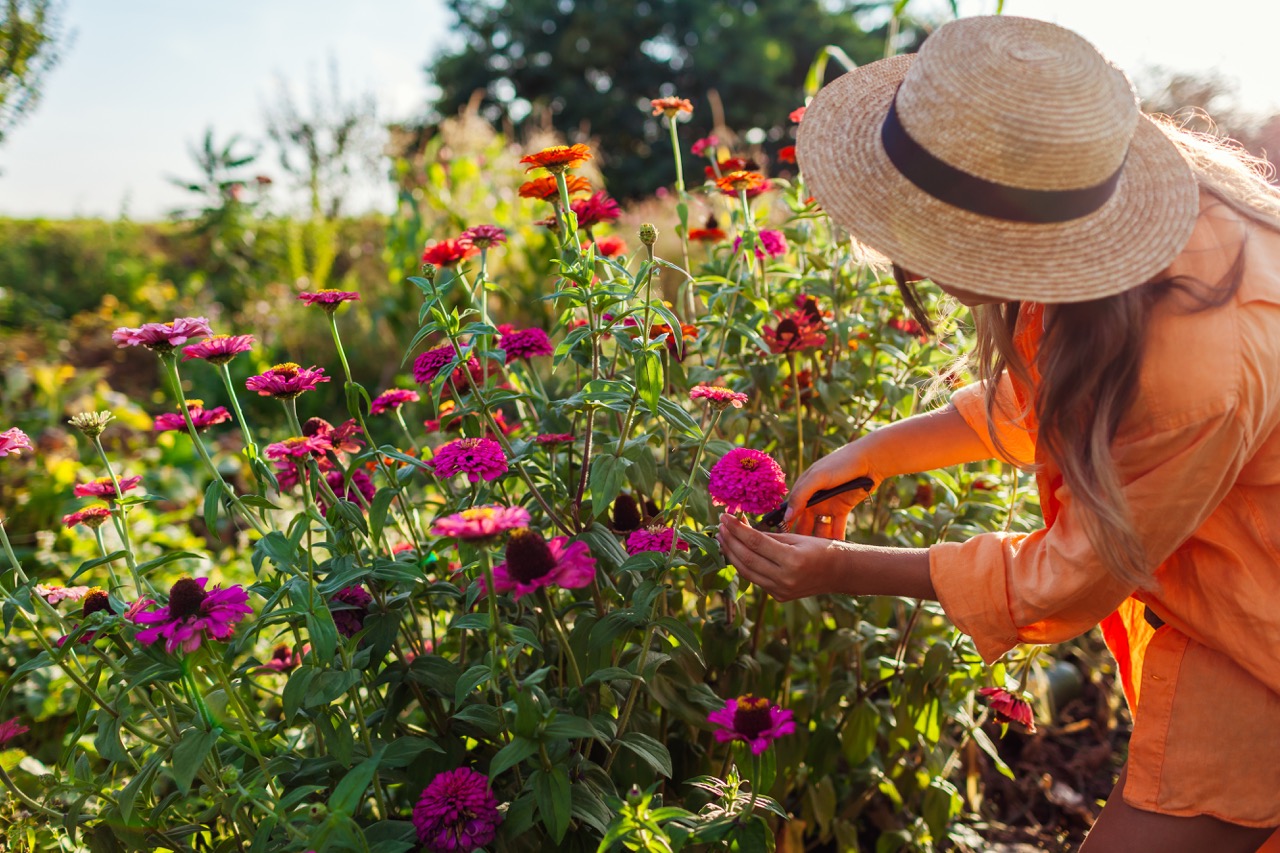
Cut flowers in the early morning with a clean, sharp hand pruner or scissors at a 45-degree angle. Look for flowers with buds that are barely open or with one showing just a bit of color. These will last the longest.
If you’re cutting leaves, such as ferns or hostas, make sure they are firm. Woody plants like viburnums can have flowers slightly open.
Cut-flower experts suggest carrying a container of water and immediately plunging the cut stems into it.
Preparing flowers for the vase
Make sure your vase is clean. Bacteria are a cut flower killer. Strip off any leaves that will be in the water. As the leaves deteriorate underwater, bacteria can develop.
When ready to put the flowers in the vase, make another 45-degree cut. The stems rest on the tip of the angle, which allows space for them to take up water.
Designing the arrangement
Much of what the arrangement will look like depends on what’s pleasing to your eye and what plants you have available.
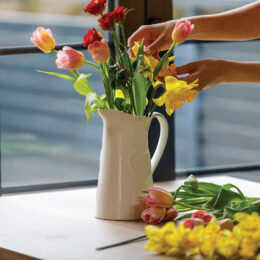
In general, build the arrangement in layers. Shorter plants or greens can form the base. The flower stems can crisscross to create the look you want.
Once you’ve created your design, fill the vase with water and flower food. You can buy flower food — it’s what’s in the little packet you get when you buy cut flowers — or you can make your own.
Caring for the arrangement
The arrangement will last longer if kept out of direct sun and heat. Remove any flowers or leaves that age or die. Spent flowers emit ethylene gas, which can speed the decline of their vase mates.
Change the water every few days. Look at the stems and see if they are mushy. If so, cut them again at a 45-degree angle with clean pruners or scissors. You may have to change the vase as the flowers get shorter.
Jo Ellen Meyers Sharp is a member of Garden Communicators International’s Hall of Fame. She blogs at hoosiergardener.com.
Add hours to your flowers with tips from the Purdue University Department of Horticulture here.