
Every May, National Electrical Safety Month serves as an important reminder
that electricity, while essential to modern life, must be treated with care and respect.
From powering our homes to supporting businesses and schools, electricity works quietly in the background — until something goes wrong. This annual observance encourages everyone to pause and review everyday habits that can help prevent electrical injuries, fires, and outages.
One of the most common electrical hazards occurs inside the home. Overloaded outlets, damaged cords, and outdated wiring can all increase the risk
of electrical fires.
Extension cords, for example, are intended for temporary use, yet many households rely on them as a permanent solution. This can lead to overheating and sparks, especially when cords are placed under rugs or behind furniture. Regularly inspecting cords and outlets and replacing damaged equipment can significantly reduce the risk.
Outdoor electrical safety is just as important. Overhead power lines should always be treated as energized and dangerous. Whether trimming trees, flying kites, or working with ladders, maintaining a safe distance from power lines can prevent serious accidents. Downed power lines are especially hazardous and should never be approached. Instead, they should be reported immediately to the local
electric utility.
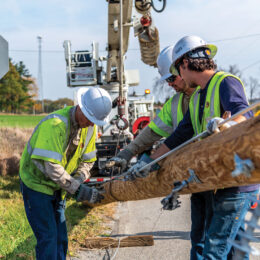
National Electrical Safety Month is also an opportunity to recognize the work of lineworkers and utility professionals who maintain the nation’s electric system. These individuals are trained to handle high-voltage equipment using specialized tools and protective gear. For the public, the safest choice is always to leave electrical work to qualified professionals.
By raising awareness and encouraging safe habits, National Electrical Safety Month helps protect families, neighborhoods, and workplaces. Simple actions — such as using appliances properly, respecting warning signs, and staying informed — can make a significant difference in keeping everyone safe around electricity.