
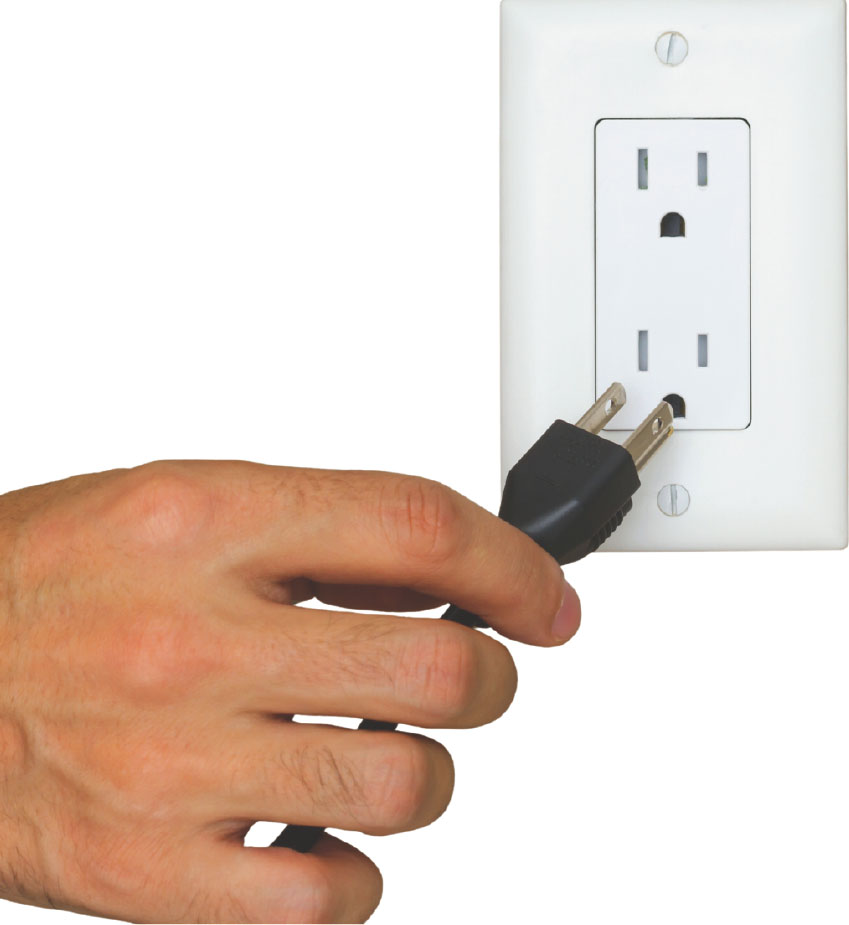
Electrical outlets may seem simple, but there are several types used throughout your home each designed with specific safety features and purposes.
1. Standard outlet (15-amp, 120-volt)
These are the most common outlets found in homes, typically found in living rooms and bedrooms. While basic, they should always be used with modern, grounded plugs for safety.
2. Ground Fault Circuit Interrupter (GFCI)
Required by code in kitchens, bathrooms, garages, and outdoor areas, GFCIs are designed to prevent shock. They shut off power instantly if they detect any imbalance in current such as when water is present.
3. Arc Fault Circuit Interrupter (AFCI)
AFCIs protect against electrical fires caused by arcing (sparks from damaged wiring). These are commonly installed in bedrooms and living areas and are now standard in new homes.
4. Tamper-Resistant (TR)
These outlets have built-in shutters that block foreign objects. Now required in all new residential construction, TR outlets are a simple but effective way to protect children from electrical shock.
5. USB combo outlets
A modern convenience, these outlets allow you to plug in devices without an adapter. While not a safety feature, they help reduce clutter and overloaded power strips, minimizing fire hazards.
Why it matters
Using the right outlet in the right location not only meets electrical code it keeps your family safe. If your home still has outdated or two-prong outlets, consider upgrading to newer, safer options. Contact your local electrician to help you get started.
Remember: Safety starts at the plug!