By Jordy Smith
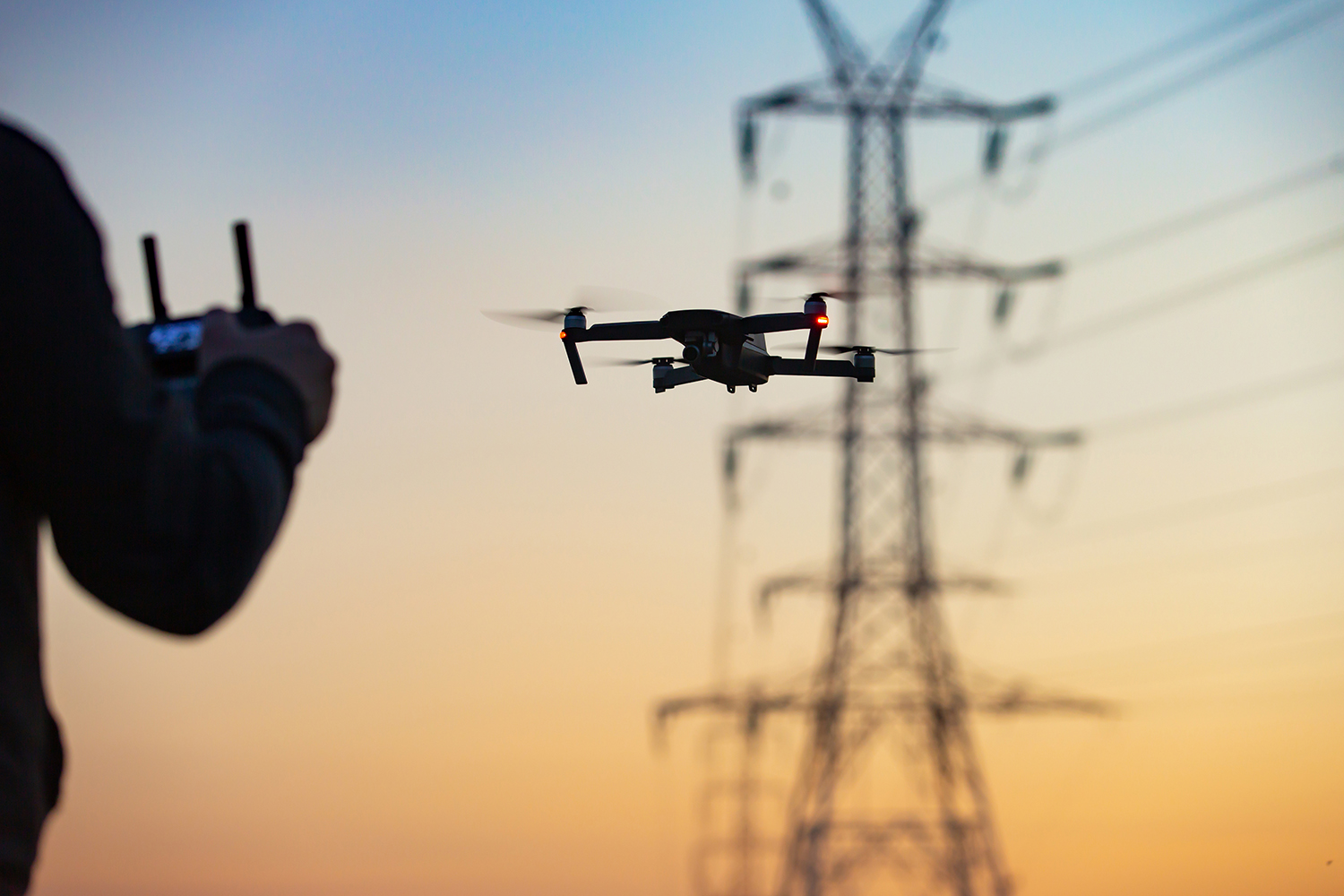
Not long ago, drones were just toys. Nobody’s playing now when it comes to their potential for getting work done in the utility industry. These miniature flying wonders are helping to enhance efficiency, safety, and communication, and new uses are emerging rapidly.
Utilities in the United States collectively spend an average of $6 billion to $8 billion per year to inspect and maintain power lines with helicopters and ground crews.
Safer and more cost-effective
Using drones to inspect power lines can drastically reduce the cost of power line inspections, eliminating the cost per helicopter flight or truck rollouts. In addition, there is no lineman in a bucket, making the process much safer for all involved. Infrastructure inspection is critical with aging electric grids and regulatory pressure to prevent outages and risks such as wildfires.
Shorten outage time
In rural areas where access is difficult at best by vehicle or on foot, drones can assess damage and pinpoint the location of a repair, saving crews significant time and shortening the length of an outage. With the ability to take photos and record videos, identifying problem areas and planning specific repairs becomes a much more streamlined process.
Enhanced communications
The ability to take photos and videos is also a helpful component for utilities to communicate their efforts, whether via social media, websites, newsletters, or board presentations. Thanks to drone technology, people who would not normally see power lines, substations, and other grid infrastructure up close can now see through the eyes of a lineman.
Designing a better path
That technology is advancing, as some drones now have integrated LiDAR (laser imaging, detection, and ranging). This can help engineers design the best path for new transmission lines and connection points. Drones can also gather useful data via infrared sensors, ultraviolet cameras, and radio frequency sensors.
The most significant limitation to the growing use of drones is ensuring enough people are trained to be drone pilots, with many rules governing when, where, and how drones are flown. Like many forms of technology, drones’ abilities are seemingly growing by the day, making them one of the most essential tools for cooperatives in the future.
Jordy Smith is energy services advisor for South Central Indiana REMC in Martinsville, Indiana