By Rasha Aly
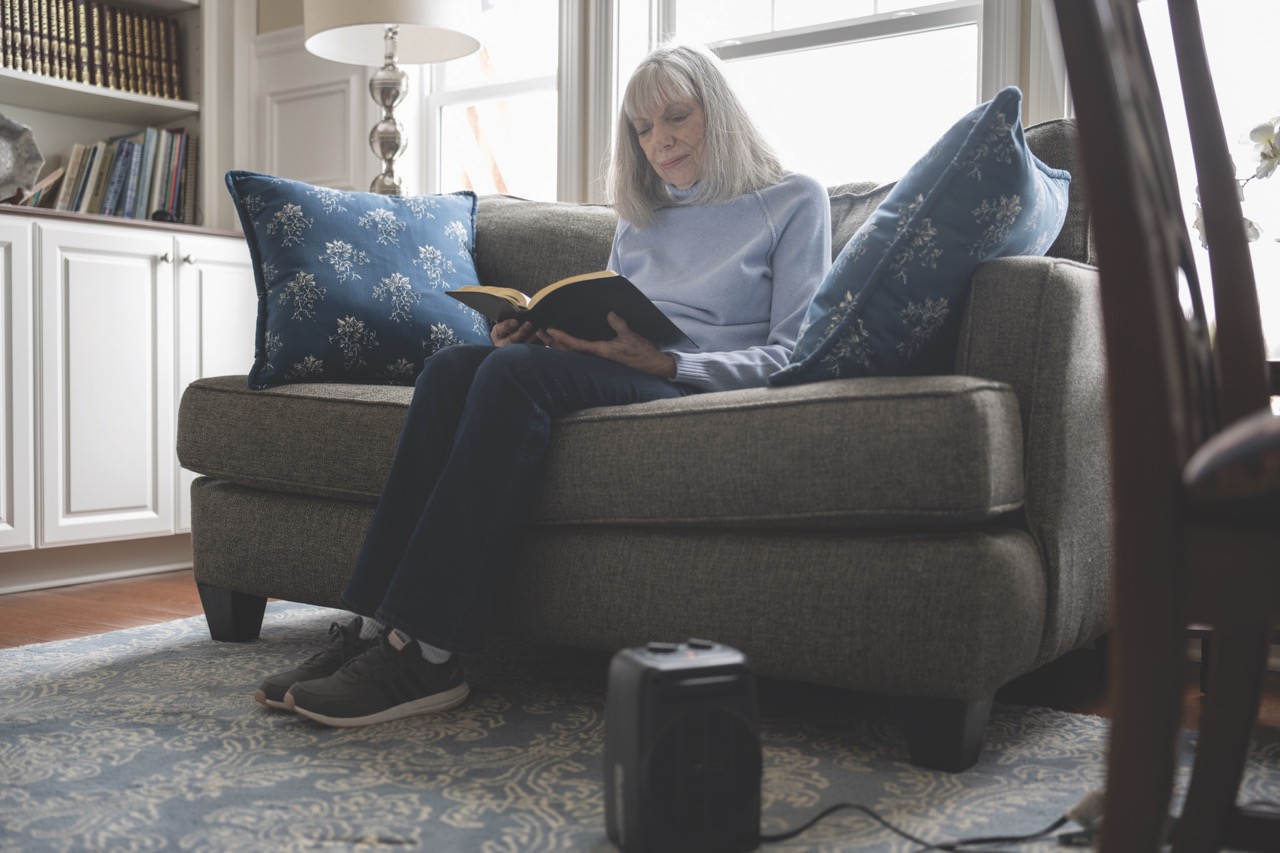
It’s a common paradox: the very appliance many people rely on for comfort and warmth can pose a danger and drive up energy bills.
Dangerous reality
A space heater is a primary risk factor for household disasters. According to the National Fire Protection Association, heating equipment is one of the leading causes of home fire deaths. Between 2020 and 2024, space heaters and heating stoves were responsible for the largest share of losses caused by heating equipment, accounting for approximately 50% of fires.
The Consumer Product Safety Commission estimates that electric space heaters were involved in an average of 1,600 fires per year from 2019 to 2021. This resulted in an average of 70 deaths and 160 injuries yearly.
Essential dos and don’ts
Some users rely on space heaters as a primary heat source, but according to Lebanon Fire Department Deputy Chief of Administration Jason Hendricks, they are designed for emergencies only.
“That’s not the way they’re being used,” Hendricks said, noting that it’s common for families to use extra heaters even when the home’s main heating system works well.
However, in those emergency situations, Hendricks said there are steps families can take to ensure they’re using heaters safely. For instance, he explained users shouldn’t plug a portable heater into the same circuit as other devices, because that could overload the circuit. Too much electrical current can damage appliances, trip circuit breakers (shutting off power), and create a serious fire hazard.
Most outlets have 15 amps of electricity, Hendricks said, while most electrical heaters run on 12 amps. Having multiple devices on one circuit can easily exceed 15 amps, causing the circuit to overload.
Other tips to follow to prevent fires and accidents include:
- Maintain a 3-foot clear zone:Keep all materials at least three feet away from portable heaters.
- Turn off when unattended: Turn heaters off whenever you leave the room or go to sleep.
- Look for safety features: Use only newer space heaters with safety features built in, as older models often lack critical safeguards.
- Keep children and pets away: To prevent burns and tipping accidents, keep children
and pets away from the heaters.
Cost and energy efficiency
It’s also important to note that while many people depend on space heaters, they aren’t very energy efficient, said Matt Walters, Boone Power’s director of member engagement.
Walters said that using a space heater for an hour uses about 1.5 kilowatt-hours. To illustrate the impact, if you used a space heater eight hours a day for a month, you would consume 360 kilowatt-hours, adding an extra $44 to your electric bill.
Echoing the advice of the Lebanon Fire Department, Walters said it’s best to save space heaters for emergencies. You can turn your thermostat down a few degrees, wear an extra layer, and reduce a spike in your energy use to keep your bills in check.
Boone Power recommends the following tips for improving your home’s efficiency this winter — keeping heat inside and cold air outside:
Check for cold air drafts: Ensure all windows and exterior doors are tightly sealed. Use caulking to keep drafts out.
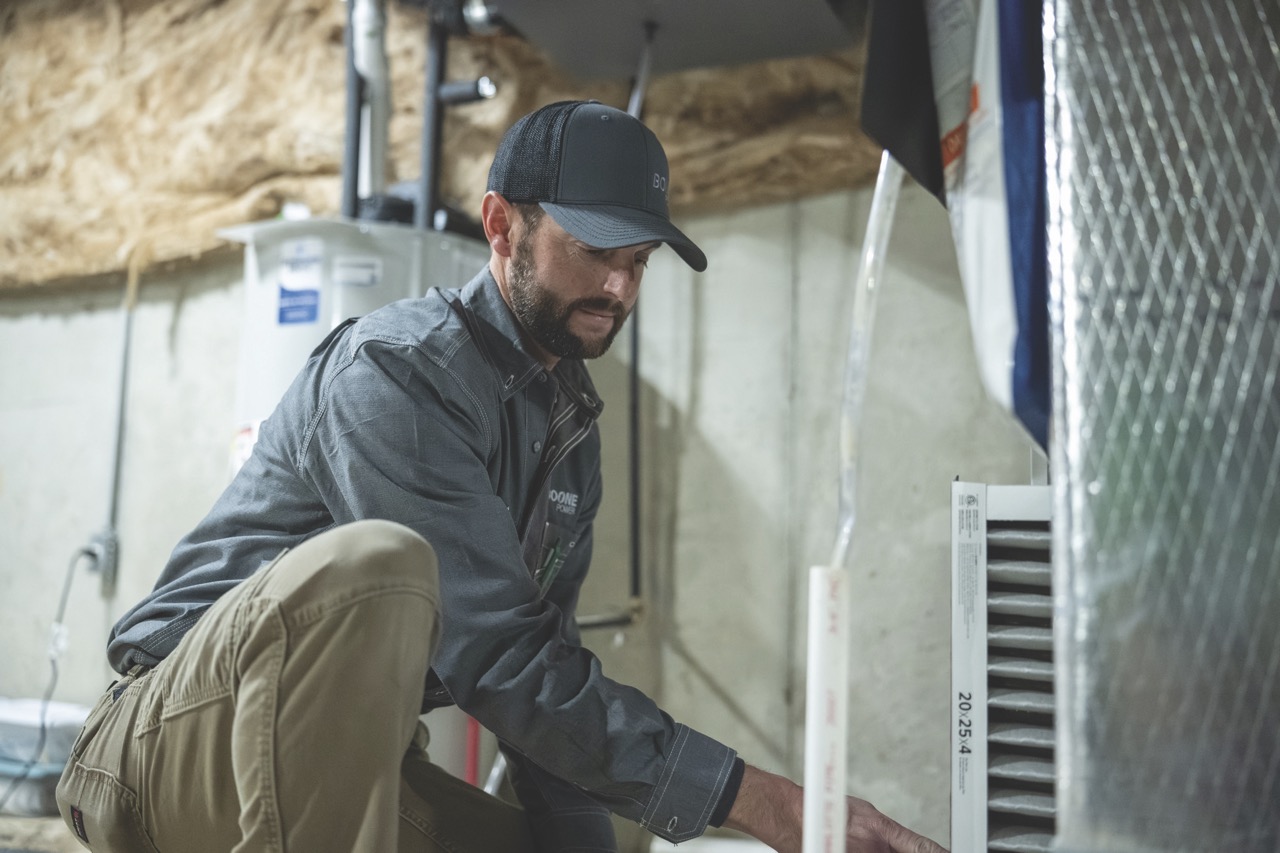
Check air filters: Proper maintenance of your HVAC system improves its efficiency. Check the manufacturer’s instructions for how often to change the filters and to ensure you’re using the correct size (thickness) of filter. Additionally, a MERV rating of 8 or above is a good rule of thumb.
Monitor thermostat settings: When the temperature outside goes below freezing, keep a close eye on your thermostat to ensure it doesn’t get stuck on the auxiliary or emergency setting. This can put your system in overdrive and lead to higher electric bills.
Schedule an energy evaluation: If you want to learn more about how to be more efficient, contact Boone Power for a free energy evaluation. Call us at 800-897-7362 or schedule an appointment via the SmartHub app or at boonepower.com/energy-advisor-services.