There is a place along a snaky bend on Big Raccoon Creek where I wander in the heat of late summer. Like regular clockwork, I find treasure in that spot, some as golden as any pirate’s loot, and as fleeting as time.
Near the weathered trunk of a huge cottonwood that was deposited on the western bank by flood waters a decade ago, now high and dry above the usually shallow and green water of August, a hardy stand of milkweed and ironweed, goldenrod, white aster and woodland sunflowers, grows in the sand; it is blooming and bursting in full by mid-September, browning and windblown in October.
Although those wiry flowers draw a variety of insects, they also attract the last corps of butterflies we see until springtime. In this hot month, I walk there, kicking up dust and wiping the sweat from my brow with my forearm.
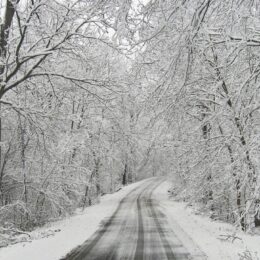
Like most things of value, I suppose, we take butterflies for granted. Year after year, we presume we’ll see monarchs and swallowtails, skippers and fritillaries, painted ladies and sulphurs along our roads and in our gardens, not realizing that miracles are at play. We rake away our leaves too early, carelessly spray the weeds, and often mow and clear where we should leave well enough alone, yet butterflies persist through a near-poetic balance between beauty and toughness. An example of that vigor comes as early as late February when I spot butterflies well before the last snows have fallen.
But along the creek, where I hear only the wind and the chatter of crows, I am privileged to watch the butterflies as they write the last chapters of their lives. Some are already faded and ragged, and when I see their fragility, I understand why most usually only survive about a week after they’ve unfolded their wet wings for the first time.
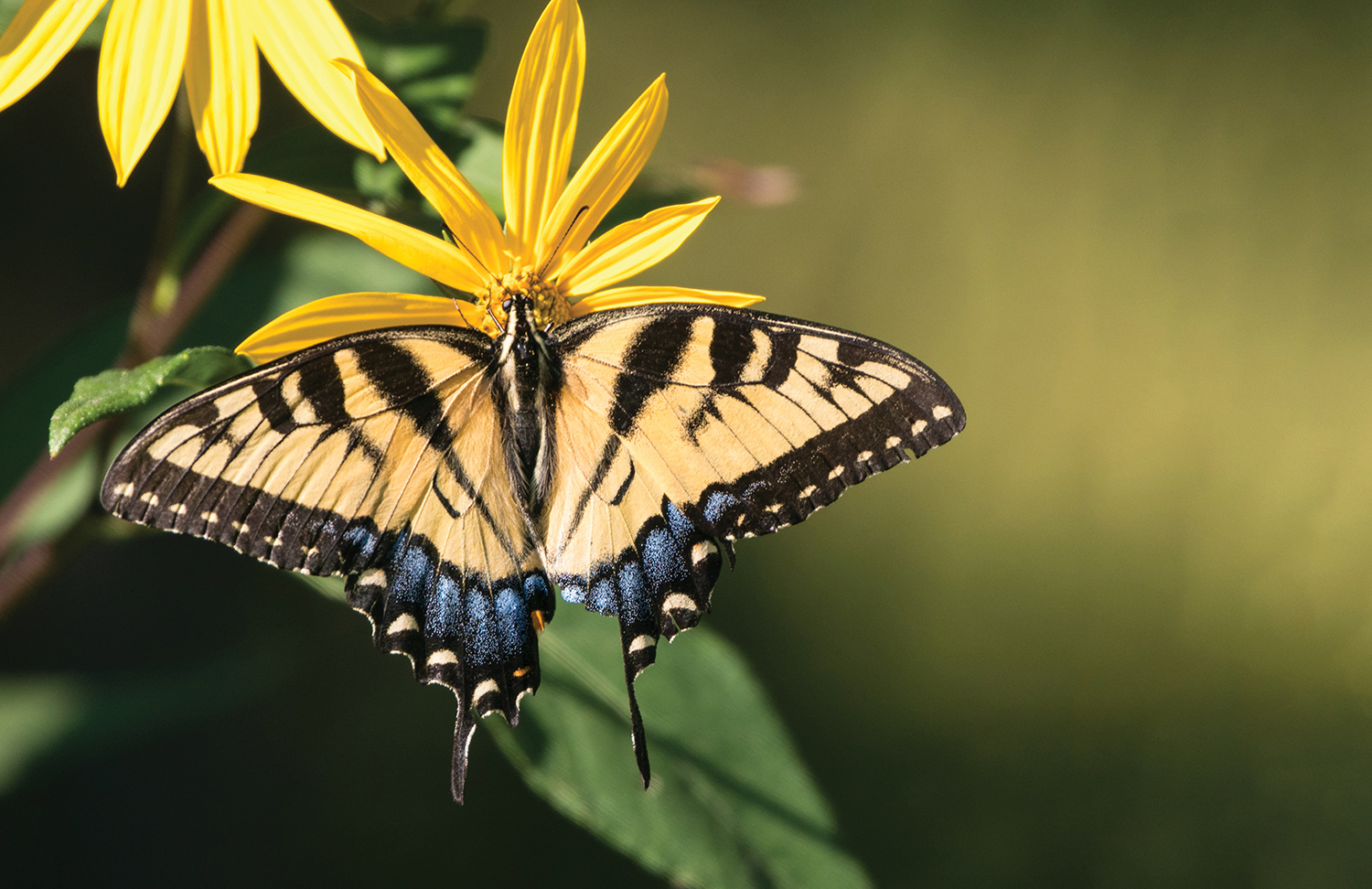
Although some monarchs persist into the fall — their migratory generation often has longer lifespans of six to nine months — by late August and through the autumn, it is the buckeyes and cabbage whites, the hackberry emperors and yellow swallowtails, I see most of all. As the thistles and milkweed heads dry and release their cottony loads and the leaves begin the process of drying and dropping, butterflies congregate in wonderfully integrated gangs to stick their needlelike noses into the last nectars of the year. Yes, butterflies also pollinate, but it is an accidental gift they give to us.
Although we feel the heat of summer is still very much with us, and the year has a way yet to go, butterflies intuitively know their short lives are nearing an end. For that reason, I return to that seemingly ordinary place on the creek, for there I see something miraculous.
Mike Lunsford is a freelance columnist, feature writer, and photographer, primarily for the Terre Haute Tribune-Star and Terre Haute Living magazine. The author of seven books lives in Parke County with his wife, Joanie. Contact Lunsford at hickory913@gmail.com.