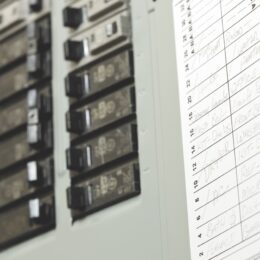
By Chris Adam
An electrical fire at home can easily spread, causing significant damage to your property and potentially taking lives. These fires are more common and deadly than you may think.
In the United States, approximately 47,000 electrical home fires occur annually, causing nearly 300 deaths, 900 injuries, and more than $1.2 billion in property damage. However, many of these fires can be prevented simply by following basic safety practices and being aware.
“Behind such staggering statistics are families, friends, and neighbors,” said John Cassady, CEO of Indiana Electric Cooperatives. “It can be especially tragic knowing that many times deaths, injuries, and the fire itself could’ve been avoided.”
Causes of electrical fires
Electrical wiring consists of metal wires that “conduct” or move electricity from place to place and materials like rubber that “insulate” the conductors and keep electricity from escaping its intended path. Electrical fires can start when its protective insulator or connections are compromised and electricity escapes.
Some issues include:
• Improperly installed or outdated wiring
• Faulty outlets
• Exposed wires on cords, including extension cords and device cords
• Problems with light fixtures, lamps, and outdated appliances
• Misuse of electrical cords, such as overloading circuits and outlets
An “arcing fault” results when a conductor’s insulation is compromised. This creates a discharge of electricity between two or more conductors and results in heat, further breaking down a wire’s insulation and triggering an electrical fire. Arc faults can occur when older wires become frayed or cracked, when a nail or screw damages wiring in a wall, or when outlets or circuits are overloaded.
Protect your home
Contact a qualified electrician immediately if you experience dimming or flickering lights, burning odors, buzzing or sizzling sounds, or circuit breakers that trip repeatedly.
Installing smoke detectors is the number one way to protect your home and family.
Smoke detectors should be installed in every bedroom, outside each sleeping area, and on every level of a home. They should be tested monthly and have their batteries replaced annually, or according to the manufacturer’s instructions.
A fire escape plan should also be in place and practiced regularly. Make sure any fire extinguishers you have are labeled for Class C, or electrical fires. Multipurpose extinguishers can be used on different types of fires and will be labeled with more than one class, like A-B-C.
You can learn more about keeping your home and family safe at usfa.fema.gov.