
Imagine dense northeast Indiana wetlands spanning 13,000 acres — 10 miles wide and two miles long — encompassing marshes, bottomland hardwood forest, and abundant wildlife ranging from bald eagles to giant moths. Gene Stratton-Porter, the state’s most famous female author back in the early 1900s, didn’t have to imagine it; she lived near it for 18 years and wrote about it. Known as the Limberlost Swamp, it straddled Adams and Jay counties and extended into Wells County.
Stratton-Porter considered it her playground, spending endless hours conducting field studies and snapping photographs of its various species of flora and fauna. Her work, and her workplace, inspired nature books like “Moths of the Limberlost” and “Friends in Feathers,” and served as the setting for best-selling novels such as “A Girl of the Limberlost” and “Freckles.” An environmentalist ahead of her time, she observed creatures in their natural habitat, refusing to adopt the lethal practice of “scientific collecting” — as with John James Audubon’s predilection for shooting the birds he planned to sketch.
But neither public officials nor public media shared her appreciation for Limberlost and its menagerie of inhabitants. In a typical take, the Cincinnati Enquirer in 1895 dismissed the area as “malaria-ridden” and “totally unfit for cultivation” with “stagnant, slime-covered pools.” Despite Stratton-Porter’s best efforts to preserve her beloved swamp, contractors drained it, cut down the trees, and pumped out the oil beneath it until, by 1913, Limberlost was simply lost.
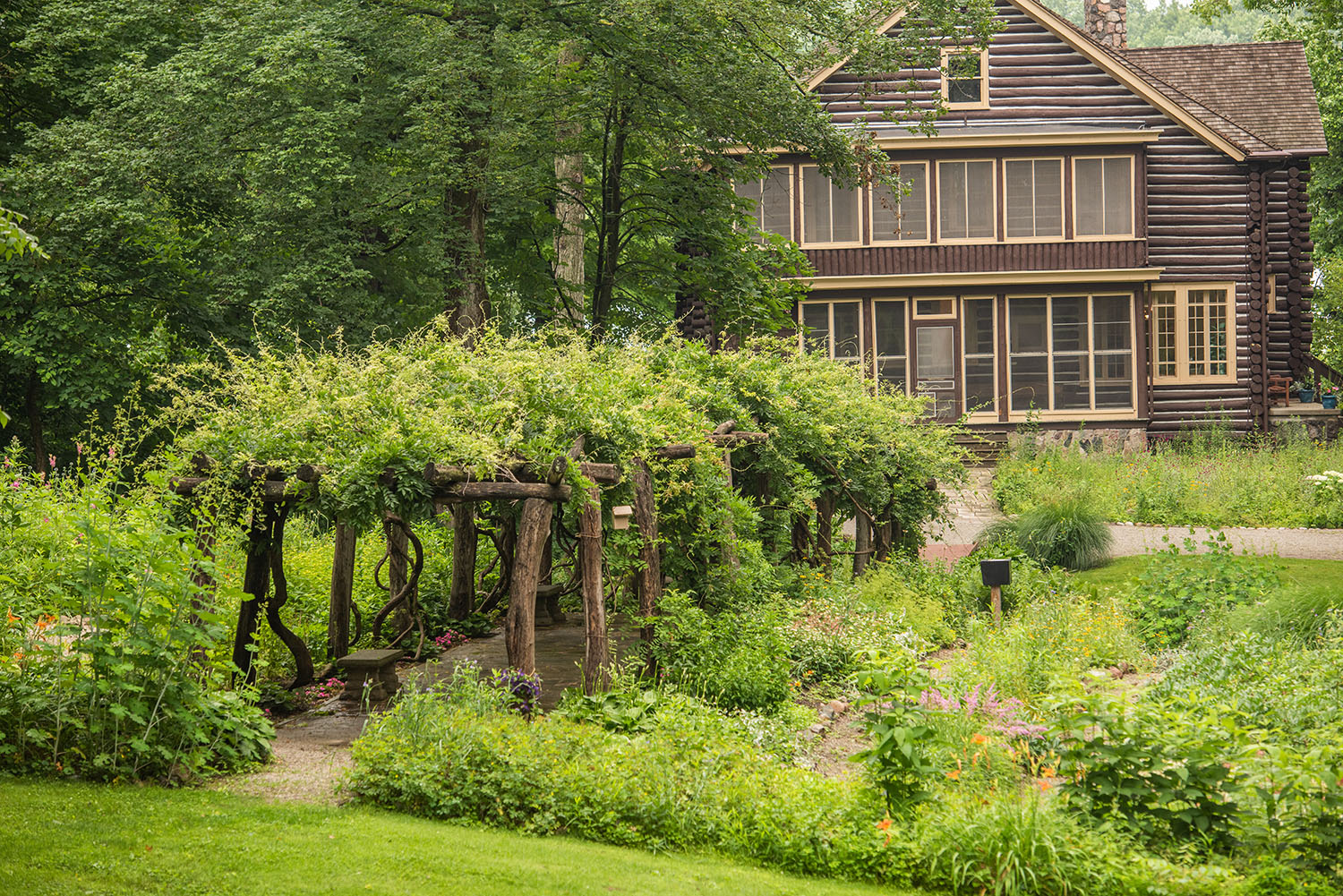
Yet Stratton-Porter’s influence continues to resonate more than a century after her death in 1924. The Izaak Walton League of America, a conservationist organization that she helped found two years earlier, endures today with 40,000 members. Closer to home, the Gene Stratton-Porter Historic Site on Sylvan Lake near Rome City — where she moved after the destruction of Limberlost — received national recognition last October with the induction of her cherished Wildflower Woods into the Old-Growth Forest Network as a community forest.
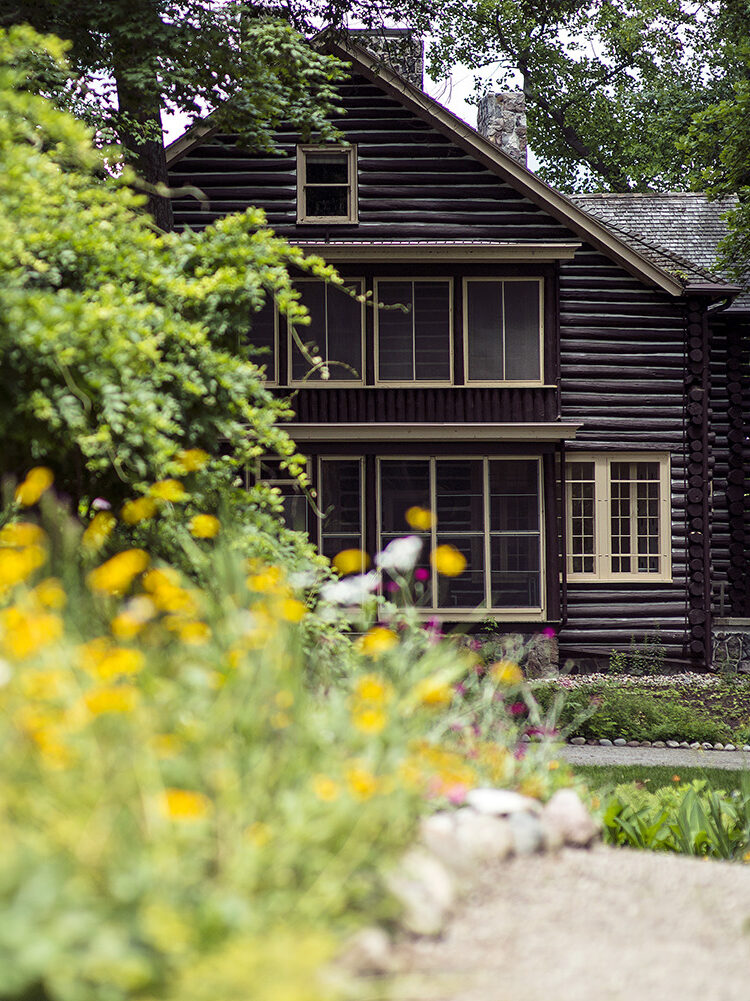
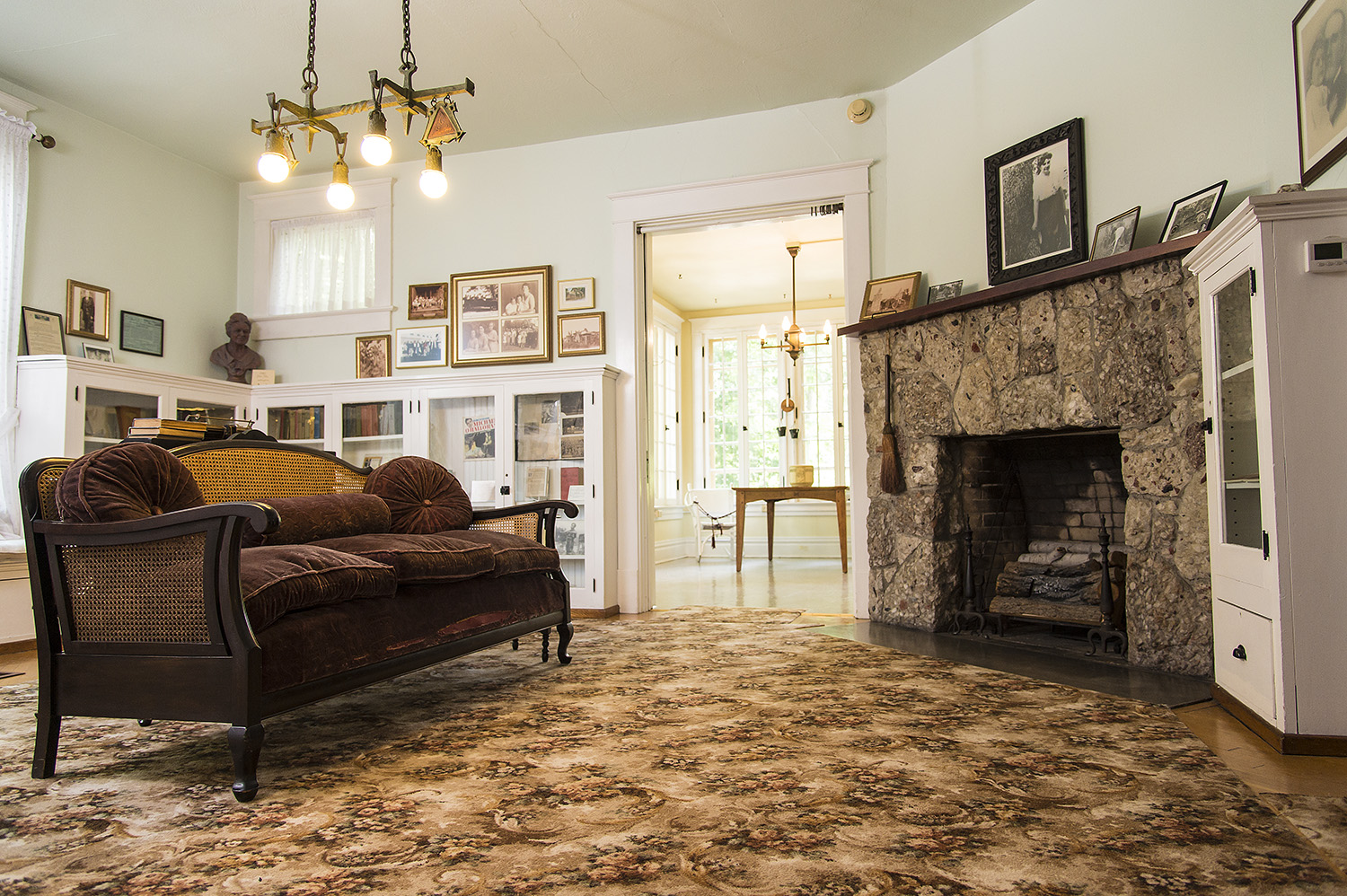
Nor has Limberlost been forgotten. A swamp restoration project that took root in the early 1990s now encompasses about 1,800 acres, including two nature preserves (Loblolly Marsh and Limberlost Swamp), a park, a bird sanctuary, and hiking trails. And her former home in Geneva, once located on the swamp’s edge, is now known as the Limberlost State Historic Site.
From early life to advocating for wildlife
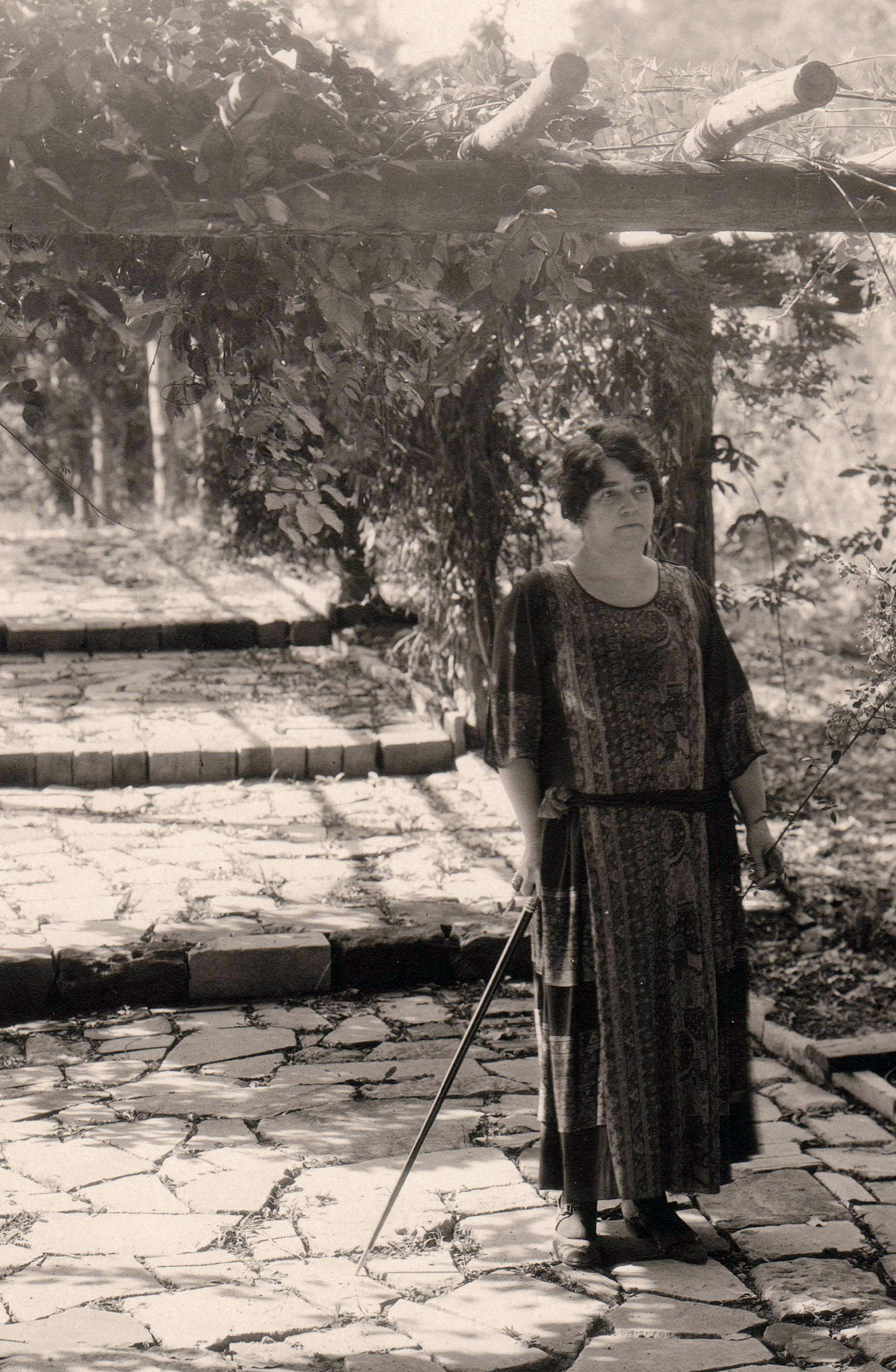
Stratton-Porter’s success — her books reached an estimated 50 million readers — surprised schoolmates who recalled her as a bright student who showed no particular interest in writing. Born Geneva Grace Stratton, she grew up near Lagro in Wabash County and didn’t even graduate from Wabash High School, leaving before the end of her senior year.
But maybe it was destiny that Stratton-Porter would make a living researching, photographing, and writing about wildlife. At the beginning of her book “Homing With the Birds,” she wrote, “Almost my first distinct memory is connected with a bird … I found a woodpecker lying on the grass beneath a cherry tree.” When her father explained that the bird had been shot for stealing cherries, she offered to stop eating them — “the birds may have mine” — if her dad would make sure no other woodpeckers were targeted. As she observed, “It is probable that this small sacrifice on my part set me to watching and thinking about the birds.”
Stratton-Porter married a local druggist, Charles Dorwin Porter, at the age of 22 — he was 13 years her senior — and in 1895 they moved to the edge of the Limberlost Swamp, ironically in the town of Geneva. It was during their courtship that he gave her the nickname “Gene.”
Her twin passions as a naturalist and a novelist might have seemed worlds apart. But as she explained in a 1904 Indianapolis Star story, her research on the nest of a black vulture in the Limberlost Swamp provided material for her book “Freckles.” And when her book sales caught fire, she negotiated with her publishers to produce one nature book for every novel she submitted.
As the Star wrote, “Stratton-Porter was an unusual sight with her trousered legs and high boots.” But it was necessary apparel in a forbidding environment that also prompted her to carry a gun for personal protection. “I have risked my life repeatedly for my work,” she told the Star. “The great public cannot tell by looking at a picture … that you had to wade several rods in muck to your knees, through swamp grass above your head, make the trip repeatedly, carry a heavy camera, use skill, patience, and great physical hardship to secure it. Then there are the dangers of quicksands, snakes, and of losing footing.”
As it happened, her passing in 1924 had nothing to do with wild creatures. She died of a skull fracture when her chauffeured Lincoln was struck by a Los Angeles streetcar.
So enduring was her popularity that in 1926, two years after her death, the Hoosier author was honored with the nationwide observance of Gene Stratton-Porter Week, an honor previously afforded only one other American woman: Red Cross founder Clara Barton. Planned by her fans in cooperation with her publishers and movie producers, the event included the planting of 10,000 white pines in a section of the Adirondack Mountains that would henceforth be known as the Gene Stratton-Porter Memorial Forest. Yet even before the special week, tributes to the departed author had already been taking place regularly across the country. A New York wire story noted that “in an astonishing number of towns there are Gene Stratton-Porter Societies — little groups of her followers that get together to discuss her writings and revere her memory.”
Perhaps the best way to revere her memory was suggested by W.A. Guthrie, chairman of the Indiana Department of Conservation (the forerunner of today’s Department of Natural Resources), in his recollections of the time he visited the author at her Sylvan Lake property. “We saw the many kinds of flowers in her gardens, and I believe she had something near 7,000 varieties of plants native to Indiana … and I began to see what a great work she had done,” said Guthrie. “I cannot help thinking what coming generations will lose with her passing and how much effort we should make to carry on the work she has so well undertaken.”
A character in her novel, “A Girl of the Limberlost,” may have best expressed Stratton-Porter’s lifelong love of nature and her desire to share it with others: “We Limberlost people must not be selfish with the wonders God has given to us. We must share with those poor cooped-up city people the best we can.”
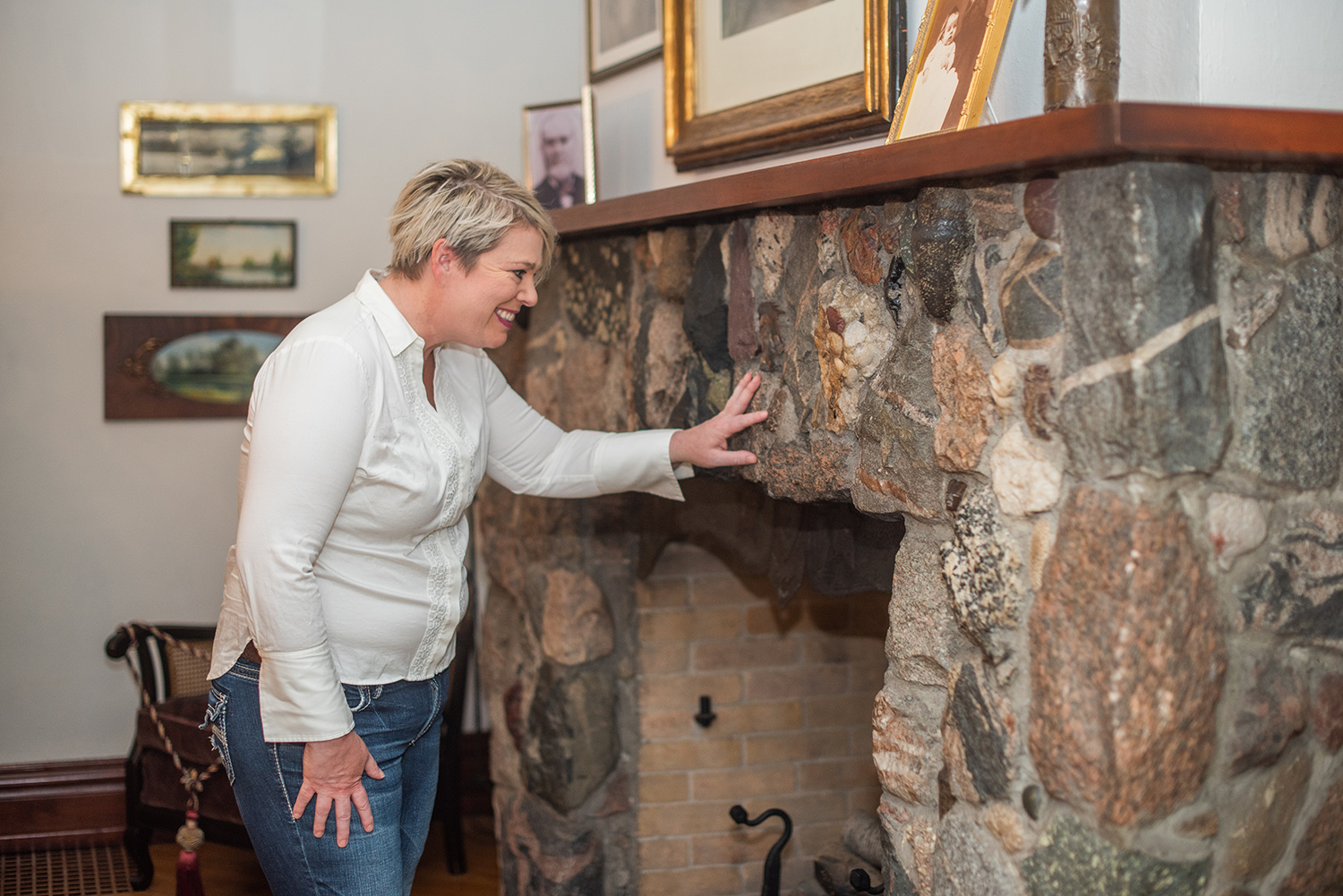
For more information — and to plan your visits to — Gene Stratton-Porter’s historic sites and the Loblolly Marsh Nature Preserve, contact:
Gene Stratton-Porter State Historic Site
1205 Pleasant Point, Rome City, IN 46784
317-232-1637 | indianamuseum.org
Admission charged. Tours included with admission.
Limberlost State Historic Site
200 Sixth St., Geneva, IN 46740
260-368-7428 | indianamuseum.org
The site is open Wednesdays-Sunday, 10 a.m.-5 p.m. Indoor tours can be booked online. Self-guided tours of the Limberlost Conservation Area Nature Preserves are available all day. Admission charged.
Loblolly Marsh Nature Preserve
8001-8499 N. 250 W., Bryant, IN 47326
260-368-7428 | in.gov/DNR
The Indiana Historical Society has an extensive collection of Gene Stratton-Porter documents, letters, and photos available for public perusal at its William H.S. Smith Memorial Library. Among the collection is her correspondence with family members, her wedding invitation, telegrams sent after her death, and correspondence regarding the transfer of the Limberlost property to the state of Indiana. The collection can be viewed online at images.indianahistory.org.
The mystery of how Limberlost got its name
Limberlost, as the story goes, owes its name to a nimble guy who got disoriented in the mucky, murky swamp.
The Indiana State Museum embraces this folktale. “The swamp received its name from Limber Jim, who got lost while hunting in the swamp. When the news spread, the cry went out: ‘Limber’s lost!’”
It’s a plausible explanation, but perhaps too tidy – since, like the kids’ game of telephone, the story changes nearly every time it’s recounted. For instance, in 1883 the Indianapolis Journal identified Limber Jim as “a tall, thin young fellow, Jim Miller” who went turkey hunting and got lost for three days.
Said a 1928 Indianapolis Star column: “The pioneer settlers decided to have a grand hunt of three days’ duration. At the end of the first day’s hunt, it was found that Jimmy McDowel was missing … Although only 16, Jim was over six feet tall and very slender.”
A 1922 Fort Wayne Journal-Gazette article said Limber Jim was James Worthington, son of a former Ohio governor. The directionally challenged Jim got lost hunting a way out of the wilderness. His associates found him several days later.
At least those versions had a happy ending. In 1925, the Decatur Daily Democrat said the many variations “all agree that a man by the name Limber Jim was drowned in its waters about one hundred years ago.”
In 1941, the WPA Writers’ Project produced a 500-page Indiana guide that mentioned a Limber Jim McDowell (2 Ls). The Hammond Times spelled his surname “McWowell” – presumably a typo. The Indianapolis Star said Limber Jim was “so known because of his dancing proclivities,” but his name was James Corbus.
A 2020 Smithsonian magazine article quipped that Corbus “either returned alive or died in the quicksand and quagmires, depending which version you hear. Nobody knows the true origin of the name.”
And maybe that’s the point. As the Terre Haute Tribune-Star put it, “The naming of the place may well be the stuff of tall tales.”
Stratton-Porter’s books
Throughout her career, Gene Stratton-Porter wrote 12 novels, seven nature books, two poetry books, children’s books, and several magazine articles. At the height of her popularity in the early 1910s, she had 50 million readers and was the most popular author in the country.
Of the only 55 books published between 1895 and 1945 that sold more than one million copies, Gene Stratton-Porter wrote five of them. Eight of her novels were adapted into movies, and her works have been translated into more than 20 languages, including Braille. Some of her movies, including “The Keeper of the Bees,” “Laddie,” and “Romance of the Limberlost” (based in part on “Girl of the Limberlost”) are available to watch on YouTube.
Among her most notable books:
“The Song of the Cardinal,” 1903
“Freckles,” 1904
“What I Have with Birds,” 1907
“A Girl of the Limberlost,” 1909
Her most recognized work, “A Girl of the Limberlost,” brought Stratton-Porter international fame.
“Music of the Wild,” 1910
“The Harvester,” 1911
“Moths of the Limberlost,” 1912
“Laddie: A True Blue Story,” 1913
“Homing with the Birds,” 1919
“The Keeper of the Bees,” 1925
Stratton-Porter’s last novel. It was published a year after her 1924 death.