The most effective way to reduce clutter and waste is to avoid creating it in the first place. Creating a new product generates greenhouse gases and consumes a significant amount of materials and energy. As a result, reduction and reuse are the most effective ways you can save natural resources, protect the environment, and save money.
Benefits of reducing and reusing
• Reduces greenhouse gas emissions.
• Prevents pollution caused by reducing the need to harvest new raw materials.
• Saves energy.
• Helps sustain the environment for future generations.
• Reduces the amount of waste that will need to be recycled or sent to landfills and incinerators.
• Allows products to be used to their fullest extent.
Ideas on how to reduce and reuse
• Think green before you shop. Reduce associated greenhouse gas emissions by considering whether you really need a product, its environmental impact, whether it can be reused, or if it can be purchased used.
• Reduce your food waste by shopping smart, buying only what you need, composting food scraps, and donating unused food to food banks or shelters.
• Reuse or repurpose items such as old clothing, cloth grocery bags, and containers to prevent waste.
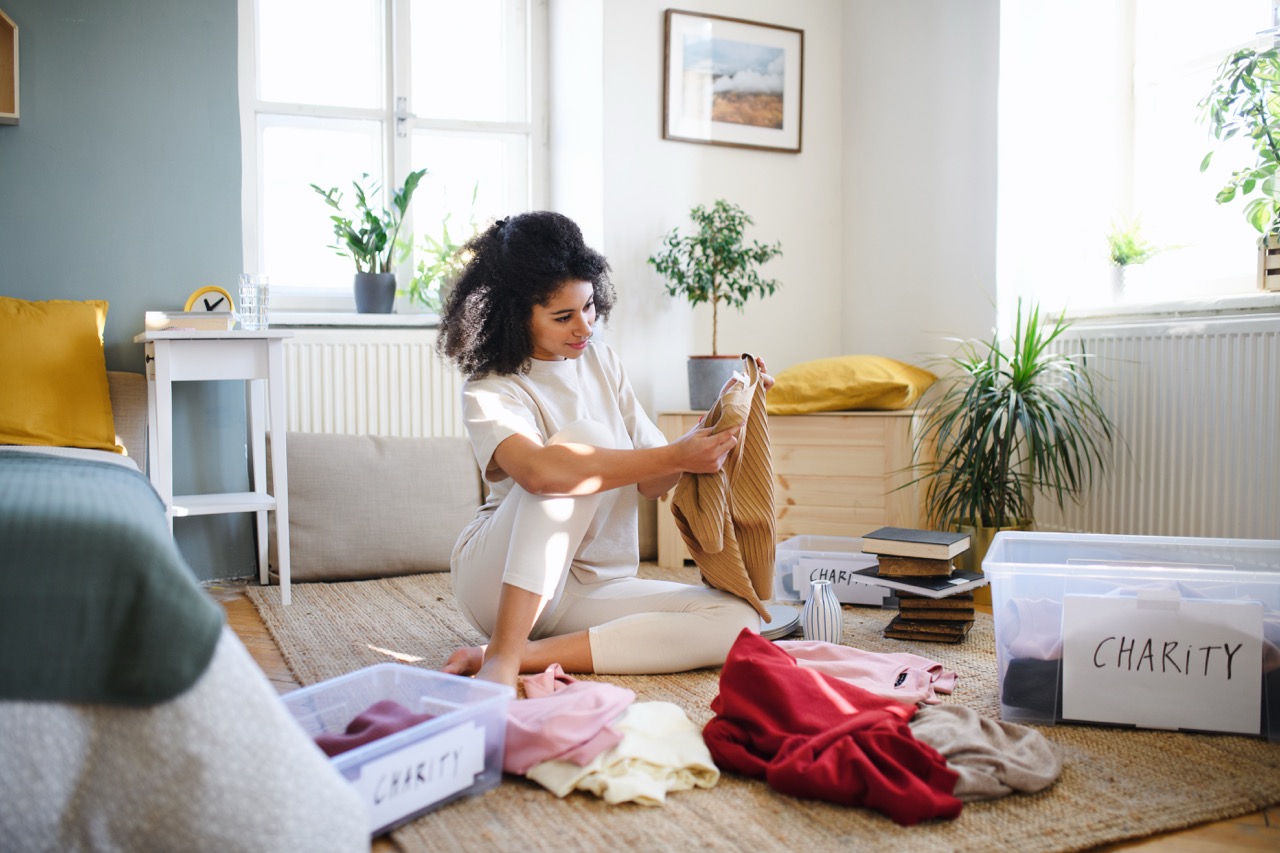
• Buy used items to reduce waste as well as the emissions created by producing new materials or disposing of them in landfills. Donate your unused clothing, electronics, and building materials to help others reuse them too.
• Buy products made with recycled content. Check labels to see if a product or its packaging is made from recycled materials.
• Know before you throw. Know what items your local recycling program collects, and encourage your household to recycle correctly and increase their recycling efforts.
• Maintain and repair products, such as clothing, tires, and appliances, so that they won’t have to be discarded and replaced as frequently.
• Borrow, rent, or share items that are used infrequently, like party decorations, tools, or furniture.
Source: U.S. Environmental Protection Agency
Donating your items
One person’s trash is another person’s treasure. Instead of discarding unwanted appliances, tools, or clothes, try selling or donating them. Not only will you be reducing waste, but you will also help others. Local churches, community centers, thrift stores, schools, and nonprofit organizations may accept a variety of donated items, including used books, working electronics, and unneeded furniture.
Benefits of donation
Prevents usable goods from going into landfills
• Helps your community and those in need
• Tax benefits may be available