By Chris Adam
Electricity helps make our lives easier, but it also poses serious risks. May is National Electrical Safety Month — a time to focus on potential home electrical hazards and how to reduce the risk of injury or death for ourselves and our families. “We believe National Electrical Safety Month is an important opportunity to spread the word about serious risks such as shock and fire-related hazards,” said John Cassady, CEO of Indiana Electric Cooperatives. “We want our neighbors to know the basics of electrical safety to create safer families, homes, and communities. We can each do our part to help one another.”
ELECTRICAL SAFETY AT HOME
It can be easy to overlook the importance of electrical safety and the risks associated with it while at home. In fact, according to the National Fire Protection Association and Electrical Safety Foundation International, contact with electricity is a leading cause of injuries and deaths in homes and workplaces.
ELECTRICAL SAFETY AT WORK
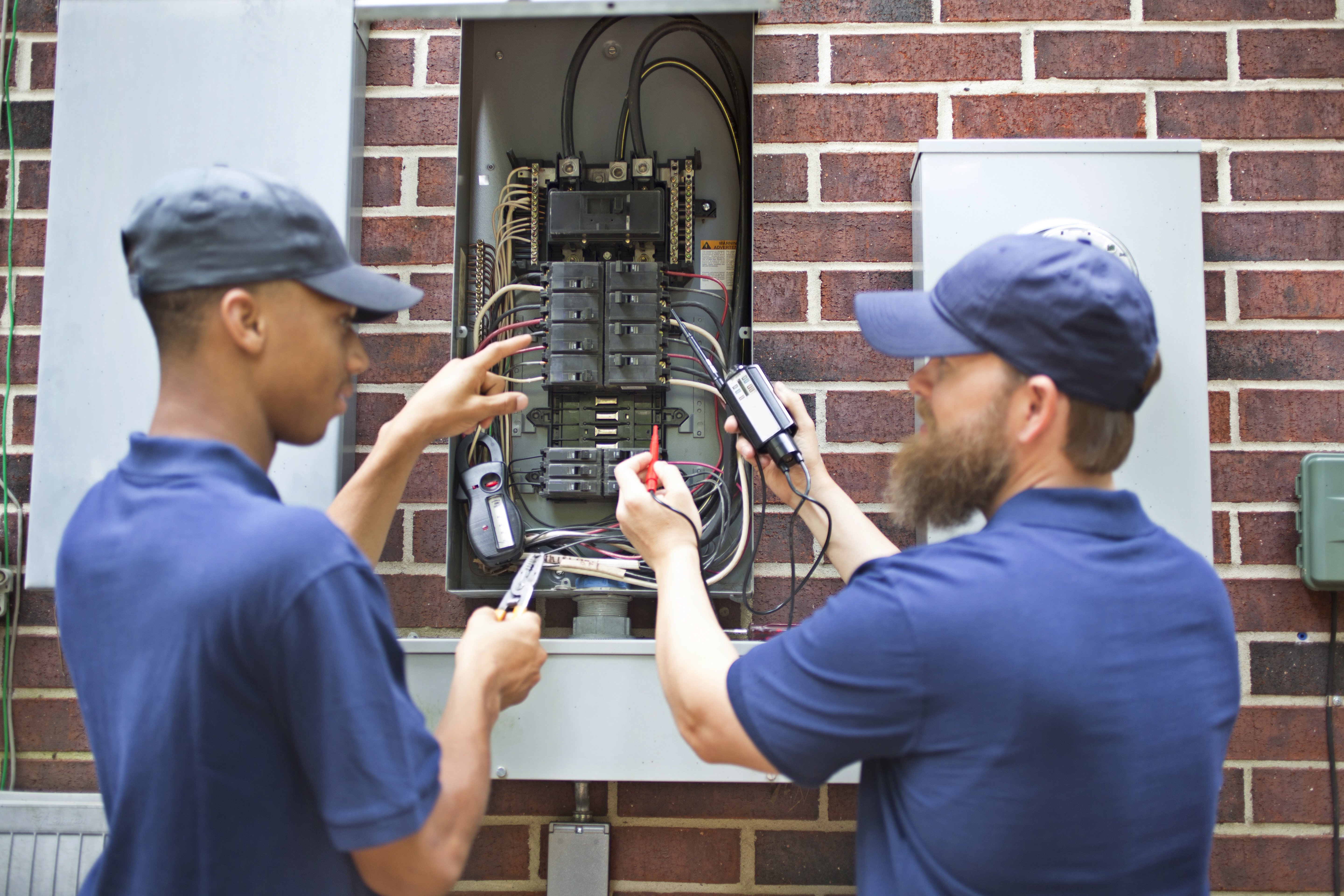
You should also consider electrical safety at your workplace. According to the U.S. Bureau of Labor Statistics, an average of 150 workplace electrical fatalities occur each year. From 2011 to 2023, the Occupational Safety and Health Administration reported that 74% of workplace electrical deaths happened in jobs that are not electrical in nature.
National Electrical Safety Month highlights the importance of electrical safety, regardless of our location. By understanding hazards and following safety measures, we can reduce the risk of injury and fatalities. Safety begins with awareness and proactive action. Take the opportunity this month to educate yourself about electrical safety and ensure a safer environment for everyone.
THERE ARE MANY STEPS HOMEOWNERS CAN TAKE TO REDUCE RISK, SUCH AS:
- Have all electrical work done by a qualified electrician.
- Use only one heat-producing appliance plugged into a receptacle outlet at a time.
- Major appliances should be plugged directly into a wall outlet, not into extension cords or surge protectors.
- Check electrical cords to make sure they are not running across doorways or under carpets.
- Extension cords are intended for temporary use. Have a qualified electrician install additional receptacle outlets so that extension cords are no longer necessary.
HERE ARE SOME SAFETY TIPS TO KEEP IN MIND AT THE WORKPLACE:
- Be proactive about de-energizing equipment and take steps to ensure your work environment remains safe.
- Always de-energize and follow established lockout/tagout procedures to prevent injuries and save lives.
- Be sure to select the personal protective equipment (PPE) that is suitable for you and your specific circumstances.
- Each year, workers are injured or killed by circuits thought to be safely turned off. Always test before touching.