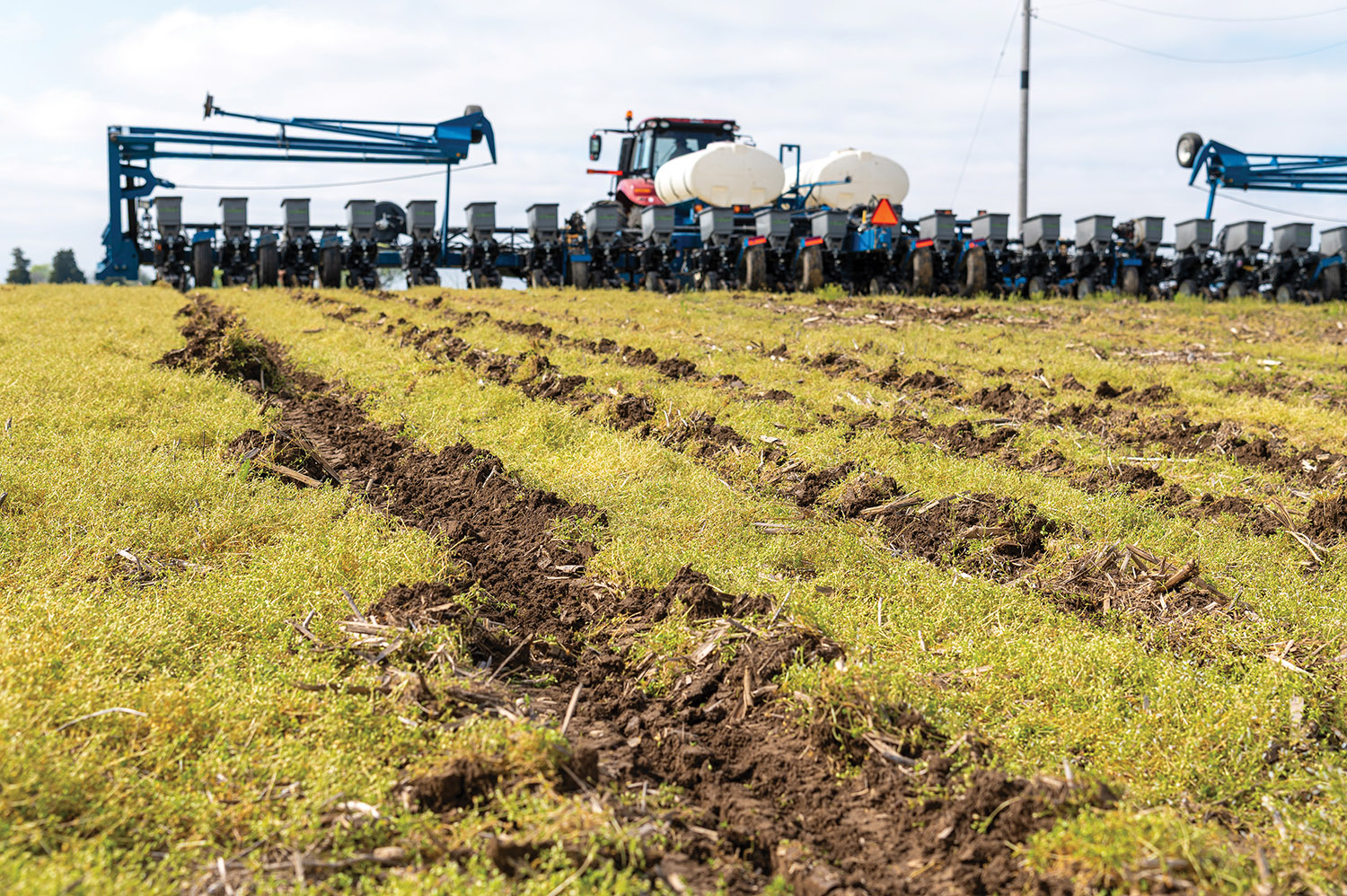
It’s planting season for many of Indiana’s 94,000 farmers. As fields are prepared and equipment is put to work, Indiana’s electric cooperatives remind farmers to keep electrical safety top of mind.
According to the U.S. Department of Labor Occupational Safety and Health Administration, 62 farm workers are electrocuted each year in the United States. “Farm-related deaths and injuries from electricity can be prevented by following safety measures,” said John Cassady, CEO of Indiana Electric Cooperatives.
Farmers should remember the following safety practices this spring:
• Ensure farm equipment, such as planter arms and sprayers, is clear of overhead power lines. Maintain a minimum 10-foot distance from lines in all directions.
• Ask your cooperative about relocating overhead lines near buildings or high-use pathways. Consult your cooperative before new construction to learn about required clearances.
• Stay clear of utility poles and guy wires when operating machinery. If equipment damages a guy wire or pole, do not attempt to fix it yourself. Call your cooperative immediately.
• If equipment becomes entangled with power lines, call 911, keep others away, and remain on the equipment. If you must exit for life-threatening reasons, jump clear without touching the equipment and ground at the same time. Land with feet together and shuffle at least three tractor lengths away. Never re-enter or touch equipment in contact with a line.
• When planning a controlled burn, mow and clear vegetation at least 15 feet around poles and use fire retardant as directed. Do not apply retardant directly to poles. If a burn threatens poles or electrical equipment, call 911 immediately.
• Prevent fire and smoke from passing directly under power lines. Smoke contains carbon particles that conduct electricity, which can cause electrical discharges from the line to the ground. Avoid spraying water directly onto lines, as water conducts electricity.
Farmers can protect themselves, their workers, and their operations during this busy season by staying alert and taking precautions.
SOURCES: U.S. Department of Labor Occupational Safety and Health Administration, Iowa State University Extension and Outreach, National Agricultural Statistics Service, Virginia Cooperative Extension, U.S. Department of Agriculture, Evergy, Kansas State University