
By Chris Adam
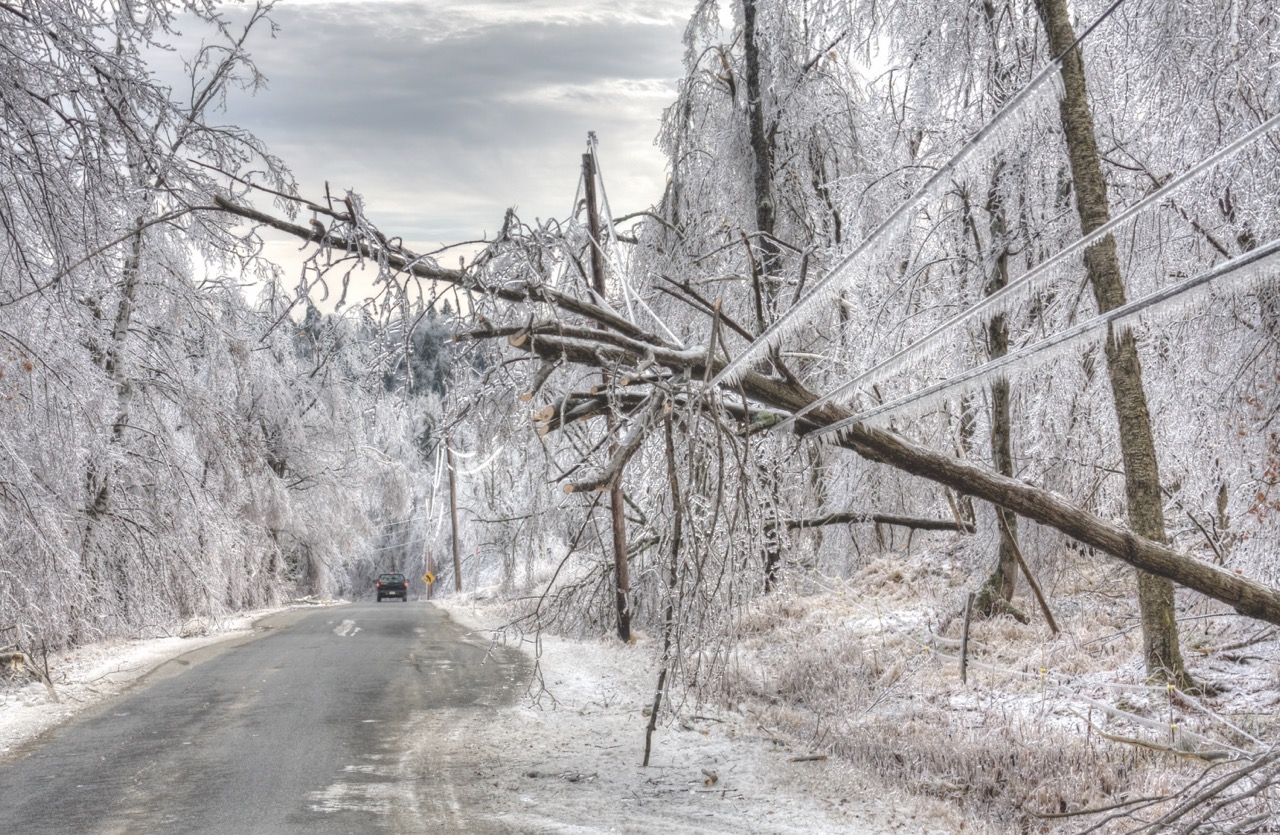
Winter in Indiana often brings heavy snow, freezing rain, ice storms and strong winds. These conditions not only create travel hazards but can also cause electrical dangers, warns Indiana’s electric cooperatives.
“Safety around electricity should be top of mind year-round,” said John Cassady, CEO of Indiana Electric Cooperatives. “In the winter, snow and ice on power lines can cause them to snap or lead to broken poles. That’s why people must stay alert to the risks of downed power lines.”
Power line safety
Keep these tips in mind if you encounter downed lines:
- Stay at least 35 feet away — about the length of three cars.
- Never touch the line or anything touching it.
- Call 911 immediately and warn others to keep clear.
- Always assume the line is live and dangerous.
Emergency kits for home and car
Having storm kits ready at home and in your vehicle can make a big difference if you’re stuck inside for days or stranded on the road.
At home, stock at least two weeks of supplies, including bottled water, nonperishable food, emergency blankets, first aid supplies, flashlights, a battery-powered or hand-crank radio, extra batteries, and basic toiletries.
For your vehicle, pack at least three days of essentials such as blankets, warm clothes, jumper cables, bottled water, nonperishable food, sand or cat litter for traction, backup batteries, and phone chargers.
If the power goes out
If an outage occurs, conserve heat by keeping doors closed to unused rooms and limiting trips outside.
Also remember food safety. Once a refrigerator rises above 40 degrees, perishable foods may become unsafe. Keep refrigerator and freezer doors closed as much as possible to help food last longer.
Generator safety: Avoid carbon monoxide poisoning
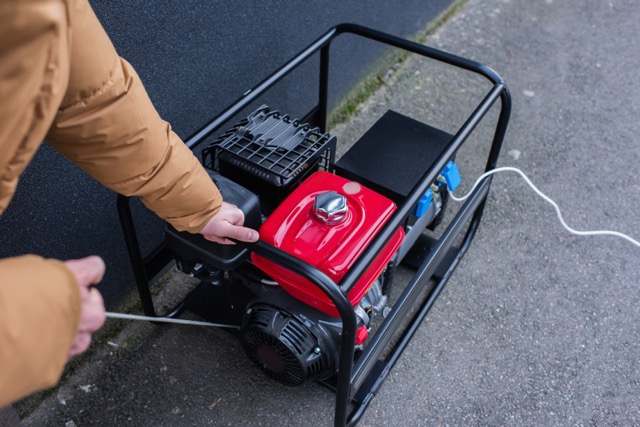
Generators are useful during outages, but using them improperly can cause carbon monoxide (CO) poisoning.
- Never run a generator, grill, camp stove, or any fuel-burning device inside your home, garage, basement, or other enclosed space.
- Operate generators and store fuel outdoors, at least 20 feet away from doors, windows, and garages.
- Opening doors and windows or running fans will not prevent CO buildup. Because CO cannot be seen or smelled, it can quickly cause illness or death.
- Install CO alarms in central areas of your home, on every level, and outside sleeping areas for early warning.