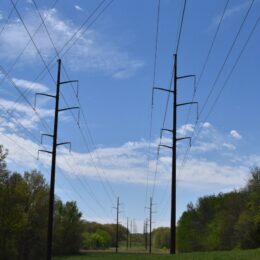
When outdoor temperatures soar, our electricity use increases. That’s because our air conditioners run longer and more often to counteract sweltering outdoor temperatures. Factor in that we all tend to use electricity at the same times — in the morning and early evenings — and that equals a lot of strain on our electric grid.
At Heartland REMC, we work closely with Wabash Valley Power, our local generation and transmission (G&T) cooperative, in resource and infrastructure planning to ensure you have the power you need whenever you flip a switch.
We work proactively with our G&T to create a resilient portion of the grid and ensure electric reliability in extreme weather, including regular system maintenance, grid modernization efforts, and disaster response planning. However, it takes everyone to keep the grid reliable.
To help keep the air conditioner running for you, your family, and neighbors, here are a few things you can do to relieve pressure on the grid during times of extreme summer heat:
Help your cooling system
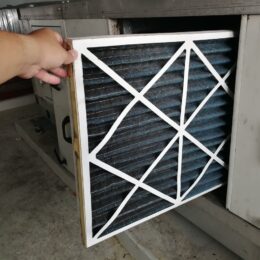
Select the highest comfortable thermostat setting and turn it up several degrees whenever possible. Your cooling system must run longer to make up the difference between the thermostat and the outdoor temperature. Seal air leaks around windows and exterior doors with caulk and weatherstripping. Air leaks and drafts force your cooling system to work harder than necessary.
Remember off-peak hours
Run major appliances such as dishwashers, ovens, and dryers during off-peak hours when the demand for electricity is lower. Start the dishwasher before you go to bed.
Consider ceiling fans
Use ceiling fans to make yourself feel a few degrees cooler. Remember, ceiling fans cool people (not rooms), so turn them off in unoccupied rooms. During summer months, set ceiling fan blades to rotate counterclockwise, which pushes cool air down for a windchill effect.
Block out sunlight
Close blinds, curtains, and shades during the hottest part of the day to block unwanted heat gain from sunlight. Consider blackout curtains with thermal backing or reflective lining to block heat and light.
Give your oven a break
Cook meals using smaller appliances, such as slow cookers, air fryers, and toaster ovens. Studies have shown that air fryers use about half the electricity of a full-sized oven. Air fryers are smaller and use focused heat, which results in faster cooking times, less heat output, and lower energy use.
By adopting energy conservation practices during periods of extreme heat, you cannot only save money on your electric bills but also contribute to the grid’s resilience, keeping our local community cool and connected.