BY STACEY MCARTHUR
As the holiday season approaches, the spirit of giving back shines brighter than ever. In Indiana, dedicated volunteers and organizations are making a meaningful impact by supporting those in need. From empowering adults with disabilities to assisting cancer patients and addressing hunger, the heart of the giving season is alive and well year-round for these organizations.
Food Finders plays a crucial role in feeding north-central Indiana
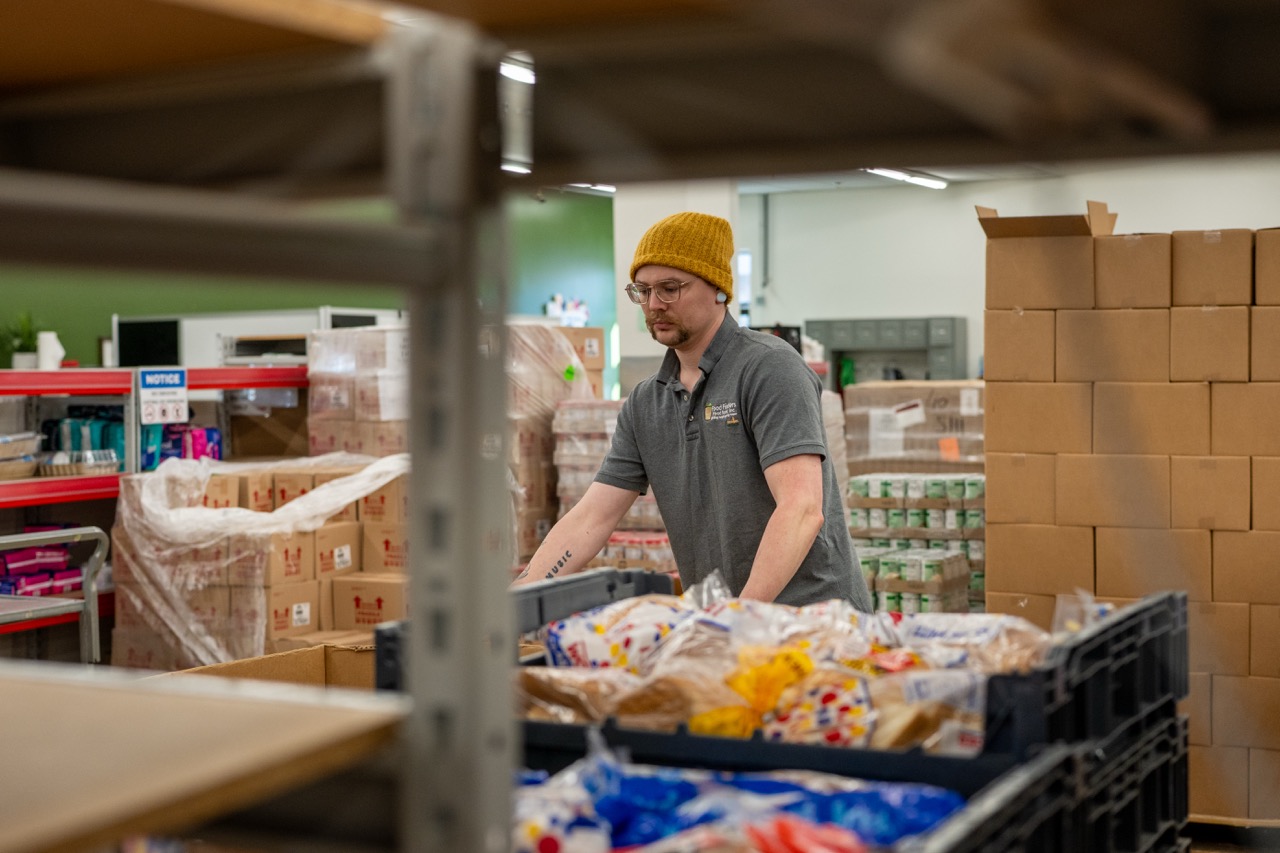
In 1981, a group of local volunteers met in a two-car garage in Lafayette to discuss how to feed their hungry rural neighbors. They developed a plan to create Food Finders, a nonprofit food bank.
Over the years, the food bank has grown beyond what was imagined. Today, it serves 16 counties in north-central Indiana through direct programs and a network of partner agencies, which is especially important in the counties’ rural areas.
Although many city residents suffer from food insecurity, the problem is more prevalent in rural areas. One in six people in this service area experiences food insecurity. “Rural residents face challenges different from those who live in cities,” said Blake Kraus, director of communications for Food Finders. “They often live farther from grocery stores and can face different economic factors, especially for those who work in agriculture.”
That’s why Food Finders has invested in specialized services, such as its mobile pantry program, for residents who can’t reach locations where food is available. A truck travels to most service areas, providing nutritious perishable and non-perishable food on a set schedule.
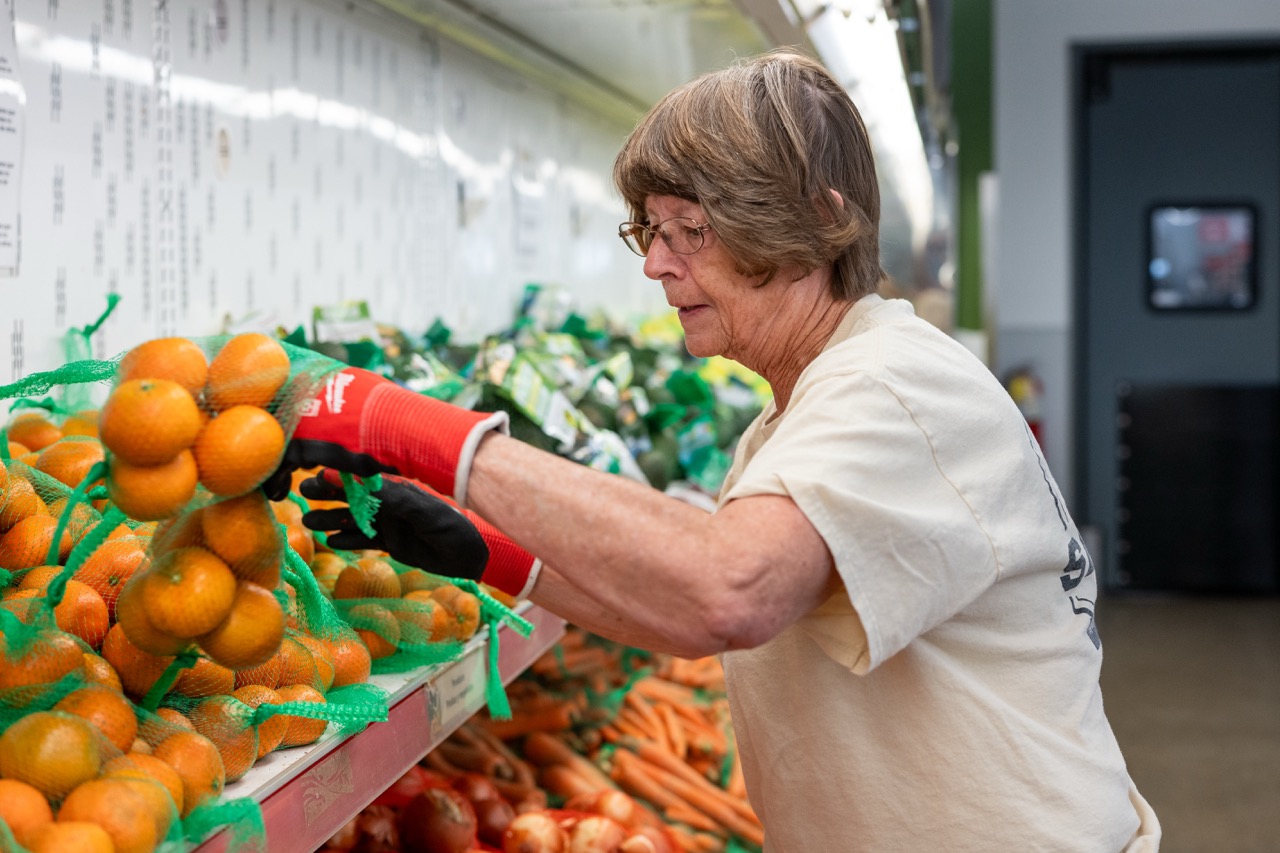
At Food Finders’ Fresh Market in Lafayette, residents can shop for free. It’s open Tuesday through Friday, 12 to 5 p.m., and Saturday, 10 a.m. to 2 p.m. The organization also offers a backpack program that provides food for students when they are not in school, as well as a senior grocery program.
Even with this help, Food Finders sees food insecurity rising every day. “Already, across these counties, there are 98,000 neighbors who are food insecure, and about 32,000 are children,” said Kraus. “Some have just enough to get by, and others have to choose between food and healthcare. Nobody should have to make that choice.”
That’s why Food Finders’ broader mission is to help residents achieve financial security. “We serve as both a source of food and a connector to opportunity,” explained President and CEO Kier Crites Muller. “Hunger is often a symptom of larger challenges, which is why our work goes beyond providing meals to include building partnerships, reducing barriers, and helping individuals and families move toward greater stability and self-sufficiency.”
Those resources for individuals include coordination and connections to assistance such as SNAP, housing, utilities, health care, transportation, and employment services.
Food Finders
1204 Greenbush St., Lafayette, IN 47904
To learn more about the organization and how to donate, go to food-finders.org.
Lawrence County Cancer Patient Services believes no one should face cancer alone
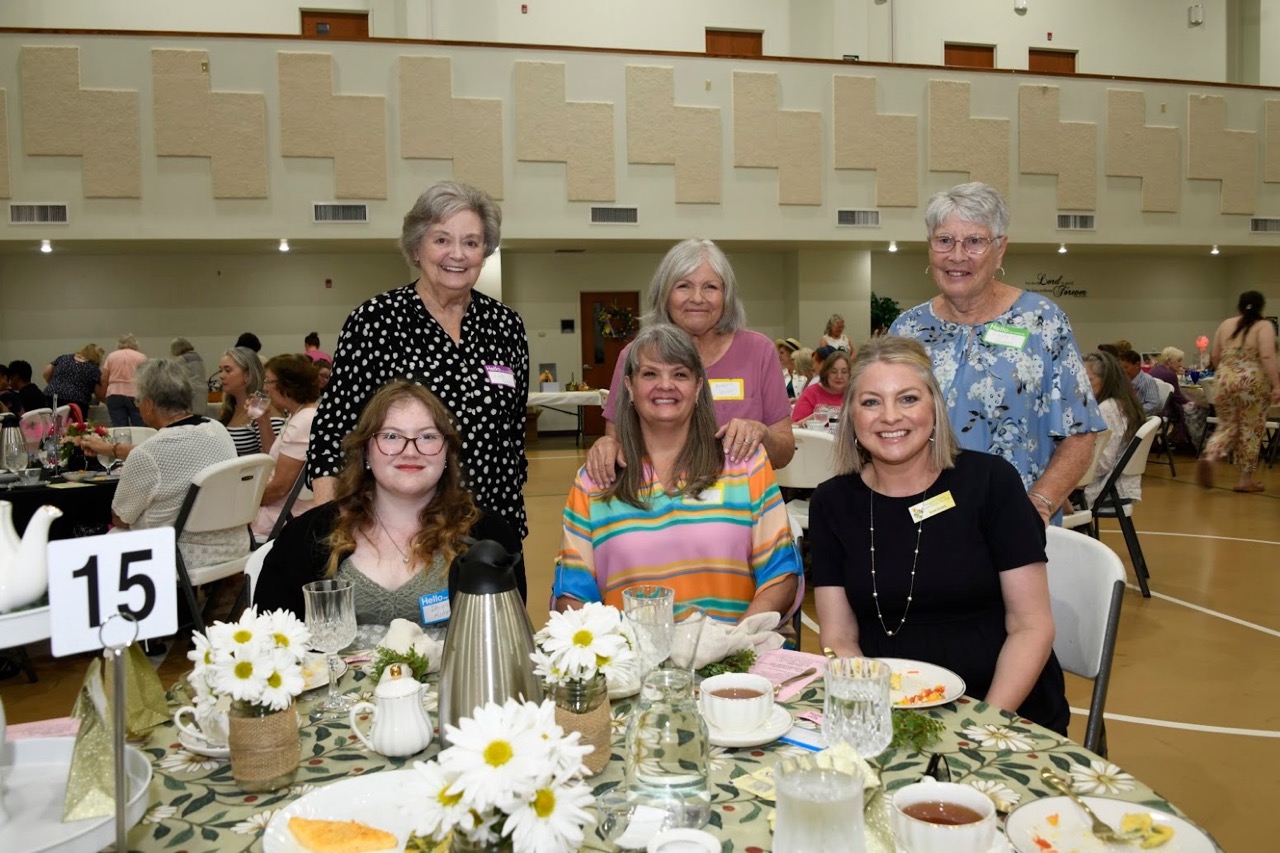
Almost 20 years ago, when the Lawrence County chapter of the American Cancer Society disbanded, a group of former board members chose to keep the mission alive.
An anonymous local donor left funds upon her death, specifically designated to help cancer patients in the community. “The woman gave us a vision,” said Teena Ligman, patient coordinator with Lawrence County Cancer Patient Services (LCCPS). “We were a group that worked well together before the chapter disbanded. We are very frugal and knew we could manage the money well.”
Located in Bedford, LCCPS was formally incorporated in 2007 and designed a unique program for the county. “We are one of the only counties taking care of its cancer patients this way,” Ligman said.
They decided that 100 percent of the money raised or donated would go toward serving cancer patients. Instead of maintaining an office, the volunteers work from home. “The founding volunteers ensured that every dollar from the original gift and subsequent donations would not go to overhead and would instead assist neighbors facing cancer,” said Ligman.
Money is raised through several fundraisers throughout the year, with the community helping ensure their success.
“Our community is incredible,” said Ligman. “They keep helping us by attending fundraisers, making donations, providing equipment, and volunteering.”
Transportation is a major need among cancer patients, Ligman explained. LCCPS helps people reach treatment facilities in other states. Traveling for distant treatments is often necessary for patients in trials or with rare cancers.
Volunteer drivers also take patients to nearby cities such as Indianapolis, Louisville, and Cincinnati. Because of the time spent together, a bond often forms between a driver and a patient. “We have so many people who don’t have family around, so they become friends with the drivers, and sometimes the drivers will go back with the patients while they talk to their doctors,” Ligman explained.
The organization also provides other services and items, including nutritional supplements, walkers, wigs, Christmas gifts for patients’ children, and wheelchairs. “Through everything we are trying to do, we hope to make those hard days that cancer patients have easier,” Ligman said.
Lawrence County Cancer Patient Services
P.O. Box 71, Bedford, IN 47421
To learn more about LCCPS and how to donate, call 812-278-0139 or visit lawrencecountycancerpatientservices.org.
Marilyn’s Village creates a community with purpose
Ryan Sowers credits his grandmother, Marilyn Sowers, with inspiring him to work with people with disabilities. “She always led by example, loving Christ and loving people,” said Sowers, founder and CEO of Marilyn’s Village.
When he decided to start a nonprofit in Covington to serve local communities by providing a place of purpose for people with disabilities, he named it after his grandmother. Marilyn’s Village is a faith-based disability ministry that helps adults develop practical skills, build independence, and participate in the community daily.
Twelve villagers attend from 8:30 a.m. to 3:30 p.m. Each day begins with Bible study and prayer. The villagers then attend weekly classes and programs led by volunteers. Examples include music class, book club, arts and crafts, and workout sessions at the local fitness gym. The villagers also gain life and work skills while helping operate the village’s café and thrift store. “Our staff works with villagers by offering pre-vocational and life skills,” said Sowers. “They love our people and communities as well.”
Marilyn’s Village does not receive government aid or funding. It operates solely on donations from individuals, businesses, churches, and local groups, as well as profits from the café and thrift store. Villagers pay tuition or receive scholarship grants. Anyone with disabilities may apply.
“Not receiving government funding gives us the freedom and opportunity to seek the highest purpose for each villager every day,” said Sowers. “We feel we are better able to determine that than anyone else.”
More than 100 volunteers keep the building in shape, tend the flower beds, help with activities, participate in fundraising events, and interact with villagers. “The daily, weekly, monthly, and event volunteers help move Marilyn’s Village in a consistent, positive direction,” Sowers said. “We envisioned that Marilyn’s Village could make a difference in people’s lives, and we see that it is.”
Marilyn’s Village
1126 Liberty St., Covington, IN 47932
To learn more about the program, volunteer, or donate, go to marilynsvillage.org.
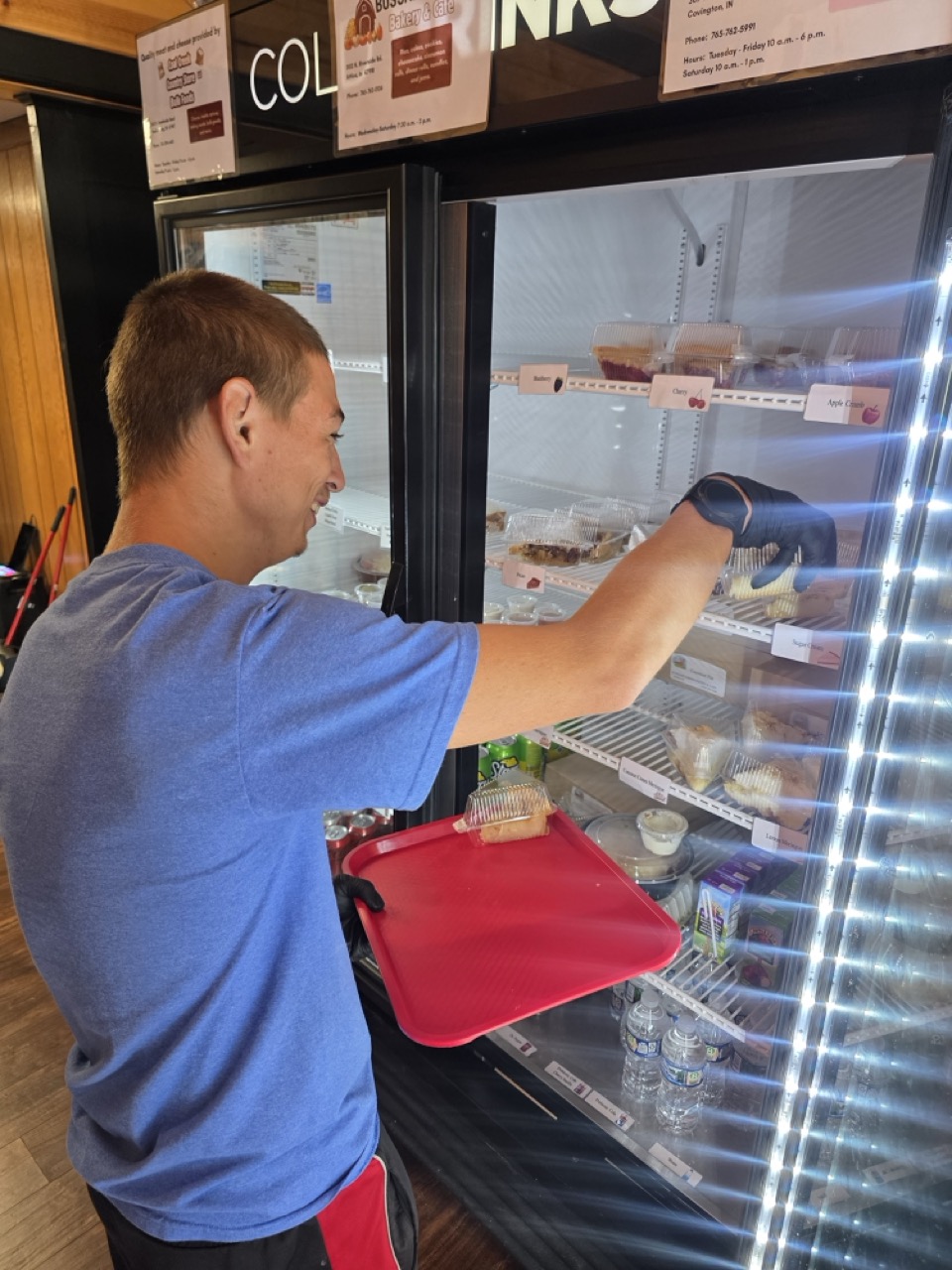
The café at Marilyn’s Village helps to offset the costs of running the nonprofit.
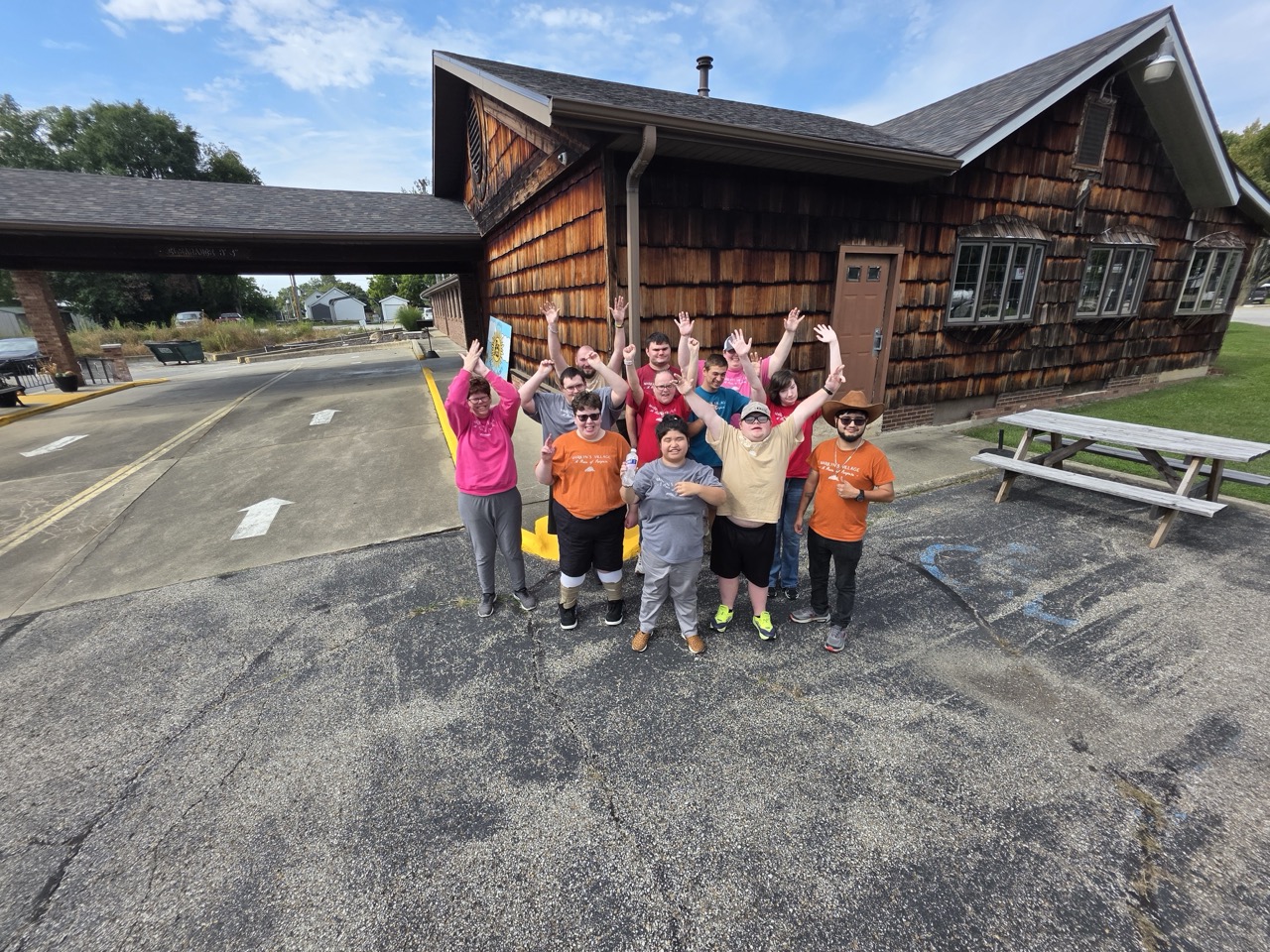
According to CEO Ryan Sowers, Marilyn’s Village offers a “place of purpose for people with disabilities.”
Project Indiana empowers Guatemalan communities
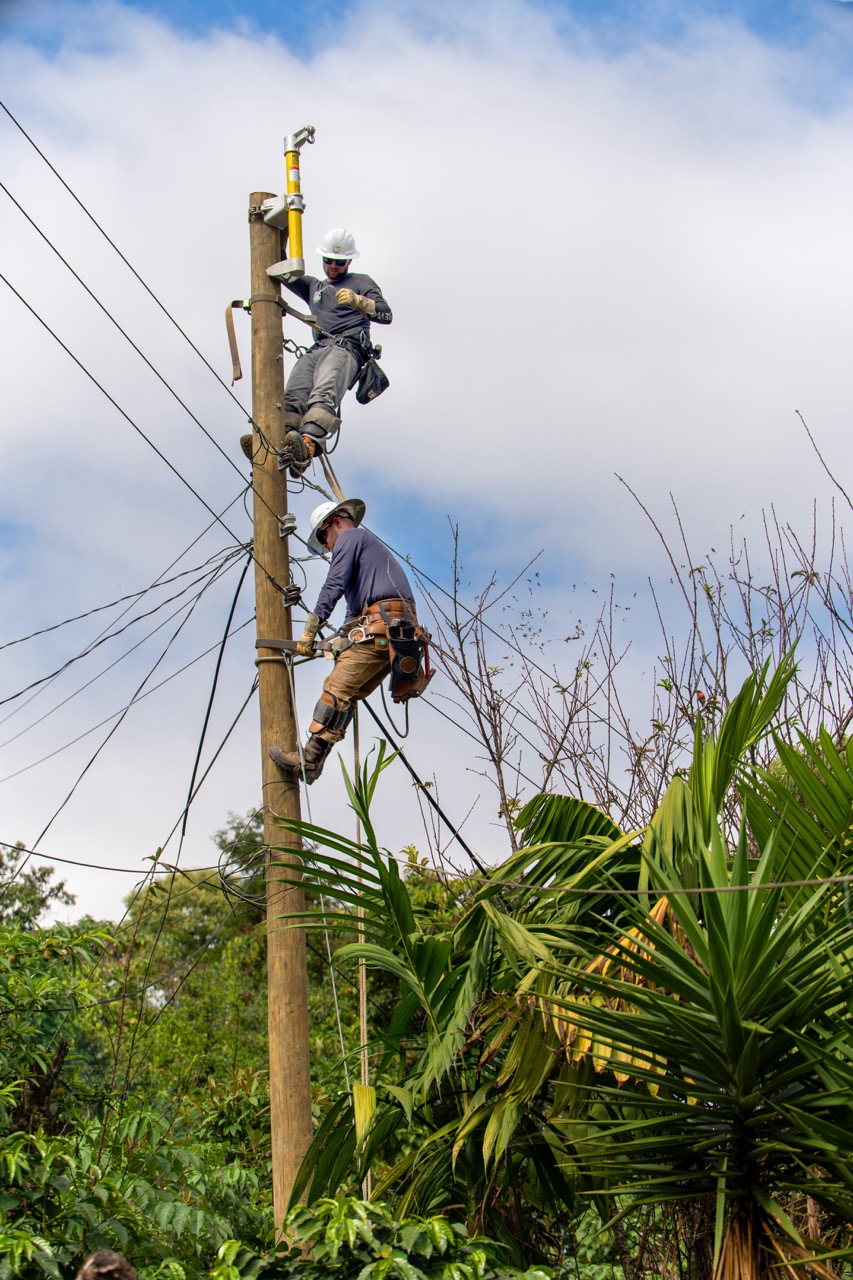
In the mountainous and remote communities of Guatemala, some villages still lack electricity. They must light their homes with candles, cook over open fires, and prepare foods that won’t spoil without refrigeration.
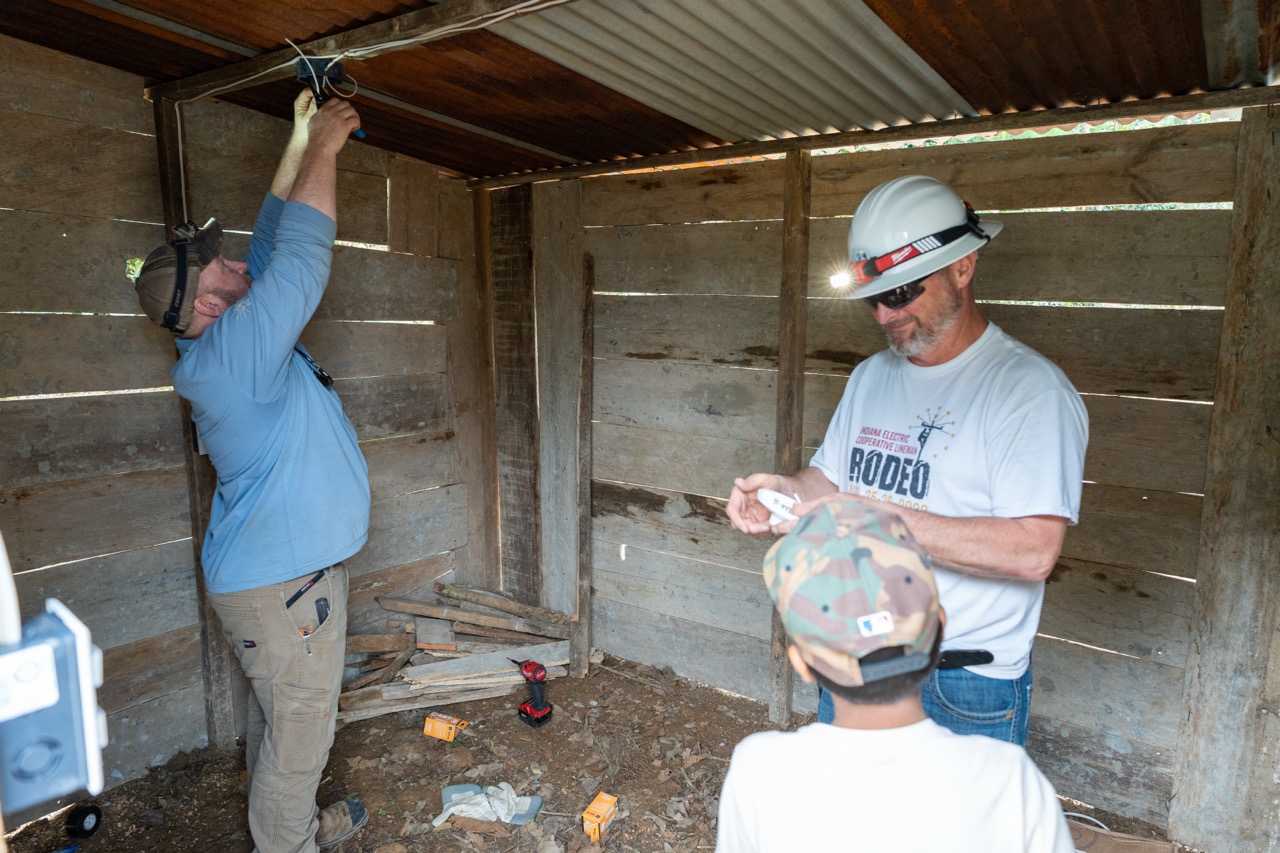
In 2012, to celebrate the International Year of the Cooperative, Indiana’s electric cooperatives sent 28 linemen and four support staff to three Guatemalan villages to provide electricity. They connected 184 homes, a church, and a school. The effort echoed Indiana’s own history, when rural electric cooperatives brought power to communities in the 1930s.
The trip was strenuous, but it left a deep impression on the linemen. The project areas were often accessible only through narrow, winding dirt paths. The villagers pitched in to set poles, string the lines, and wire the buildings. The linemen also connected with the local families, especially the children, as they worked throughout the month.
What was supposed to be a one-time trip became a mission. In 2015, the Project Indiana organization was created. Since then, five more trips have taken place. Linemen continue to be the main volunteers of the trips.
“Everything starts with electric power,” said Mandy Barth, executive director of Project Indiana. “We take electricity for granted. We flip a switch, and the lights come on. But many families in under-developed countries like Guatemala live the simplest of lives. They endure extreme hardships. A whole family may live in a dark, one-room hut — cooking and sleeping, living and eating all in one tiny space.”
Every other year, Project Indiana returns to Guatemalan villages. The last trip, in 2025, electrified 197 homes in the area of Palmira, Guatemala.
“In the end, it’s not only light that Project Indiana brings,” said Barth. “It’s about quality of life. And it brings full circle what happened in the 1930s in rural Indiana — people working together to light a community, one pole at a time, to make a better life.”
Project Indiana
11805 Pennsylvania St., Carmel, IN 46032
To learn more about Project Indiana and support future trips, visit projectindiana.org.