
As fall transitions into the holiday season, it’s a great time to prepare for the chill ahead. Staying safe and efficient this winter doesn’t have to mean sky-high energy bills — here’s how to keep your home cozy without breaking the bank.
Smart thermostat settings
With dropping temperatures, it’s tempting to crank up the heat. But did you know that the colder it gets outside, the harder your heating system has to work? The greater the temperature difference between indoors and out, the more your system has to run to maintain comfort. Even gas furnaces rely on electricity to power fans that circulate warm air.
We recommend setting your thermostat to around 68–70 F during the day and lowering it by a few degrees at night or when you’re away. This creates a balance between warmth and efficiency and can help keep heating costs down.
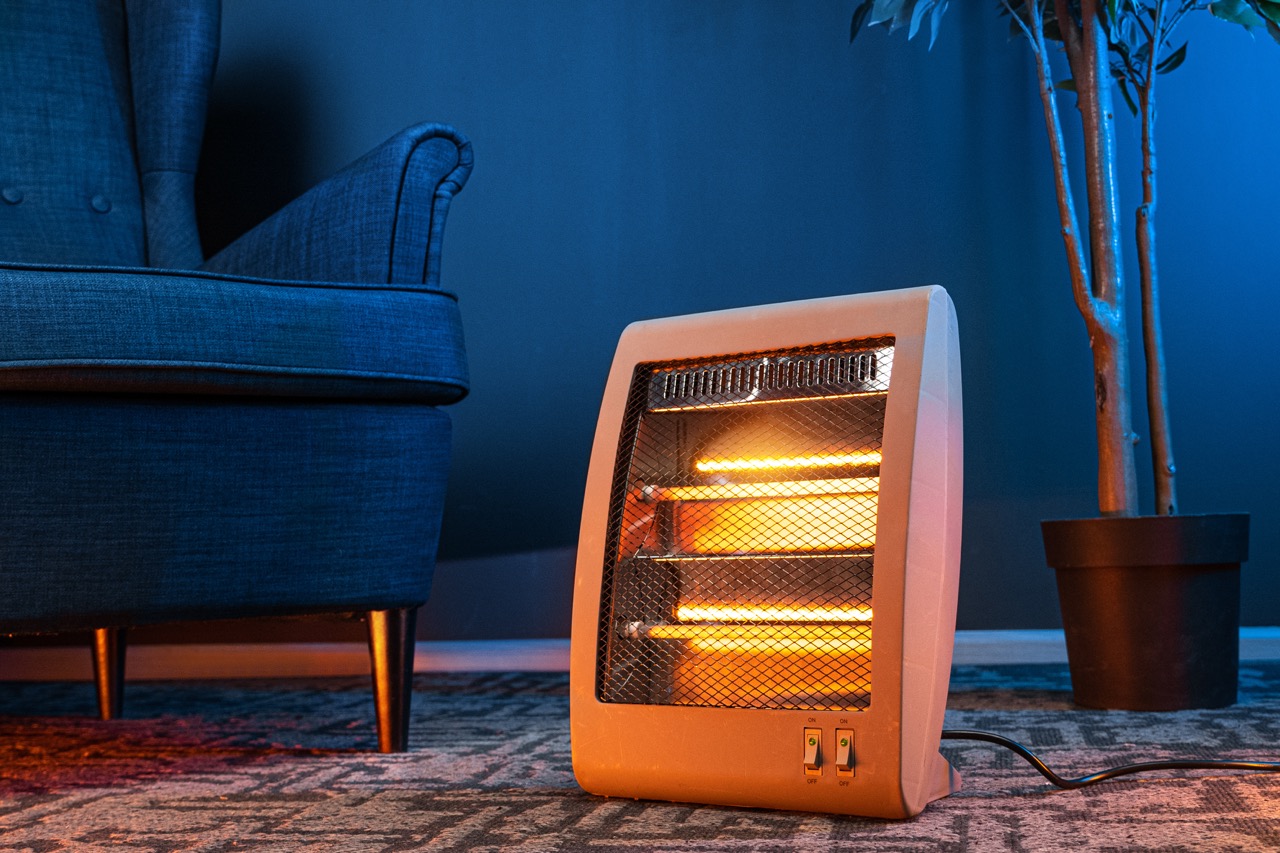
The hidden costsof space heaters
Portable electric space heaters are a handy supplement to your main furnace, but they can be energy hogs. Most models draw 500–1,500 watts, and running them continuously can spike your electricity use.
For example, let’s say you have a typical 1,000-watt heater:
Running it for 1 hour consumes 1 kWh (about 12 cents).
Over 8 hours a day? That’s roughly $1 daily.
In a 30-day month, you’re looking at $30 — just for that one heater.
This adds up quickly, especially if you’re using multiple units or layering it on top of your furnace and other appliances. To minimize costs:
- Use space heaters sparingly, in well-insulated rooms.
- Opt for models with thermostats or timers to avoid overuse.
- Turn them off when leaving the room.
Safety first: Avoid fire hazards
Beyond the bill, safety is paramount. Space heaters are a leading cause of home fires in winter. Always:
- Keep them at least 3 feet away from flammable materials like curtains, furniture, or bedding.
- Never leave them unattended or use them while sleeping.
- Place them on a stable, flat surface to prevent tipping.
- Plug directly into a wall outlet. Extension cords can overheat.
Boost efficiency with home upgrades
Small tweaks to your home can make a big difference in retaining heat and cutting costs:
- Programmable thermostat: To automatically set or adjust temperatures for maximum energy efficiency.
- Insulation: Ensure attics, walls, and floors are well insulated to retain heat.
- Sealed windows and doors: Weatherstrip gaps and use draft stoppers to block cold air infiltration.
- Equipment maintenance: Have your furnace tuned up annually. Older systems are less efficient. Replace or clean filters regularly to keep your unit running as efficiently as possible. Consider upgrading to a higher-efficiency model if yours is over 15 years old.
By focusing on these steps, you’ll enjoy a warmer home, lower bills, and greater peace of mind. Stay safe out there, and here’s to a cozy winter!