BY JULIE YOUNG
The United States may be celebrating its 250th birthday, but the nation’s first successful cooperative is much older than that. In fact, the nation’s oldest continuing cooperative, the Philadelphia Contributionship for the Insurance of Houses from Loss by Fire, was organized in 1752 by none other than Benjamin Franklin.
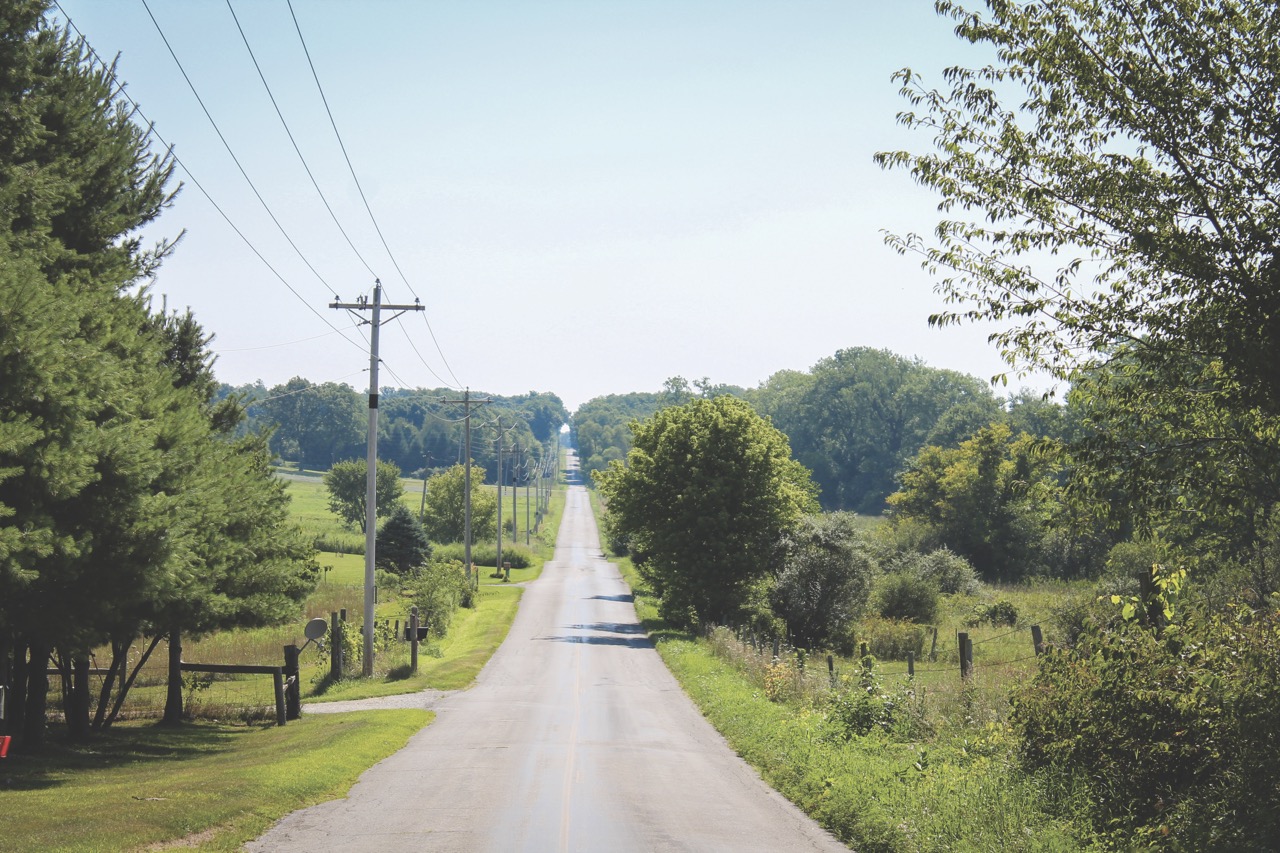
By definition, a cooperative is a business, home, or group owned and run by the people who use it, and electric co-ops began in the 1930s, when nine out of 10 rural homes lacked electric service. Investor-owned utilities didn’t find it cost-effective to run power lines into these areas and ignored the obvious need. However, on May 11, 1933, President Franklin Roosevelt signed an executive order establishing the Rural Electrification Administration (REA) and, the following year, signed the Rural Electrification Act.
Even with federal loan funds available to bring power to the rural areas, investor-owned utilities still weren’t interested. However, farmer-based cooperatives flooded the REA with loan applications, and the agency quickly realized that electric cooperatives would be the organizations that would make rural electricity a reality.
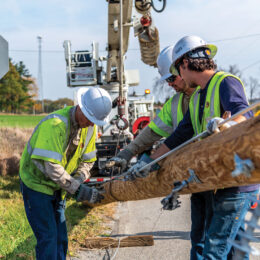
Thanks to these local cooperatives that got their start by borrowing money from the REA to build lines and provide electrical service on a not-for-profit basis, today’s electric co-ops remain an integral part of rural communities.
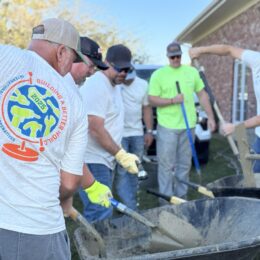
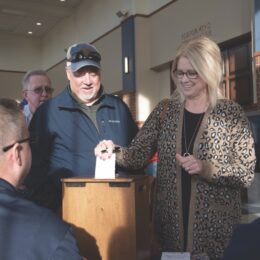
Cooperatives are not limited to utility services but can be found in many industries, including banking, housing, healthcare, and more. Like the United States itself, cooperatives are of the people, by the people, and for the people, and work to improve the lives of the people they serve.