PUBLIC DOMAIN
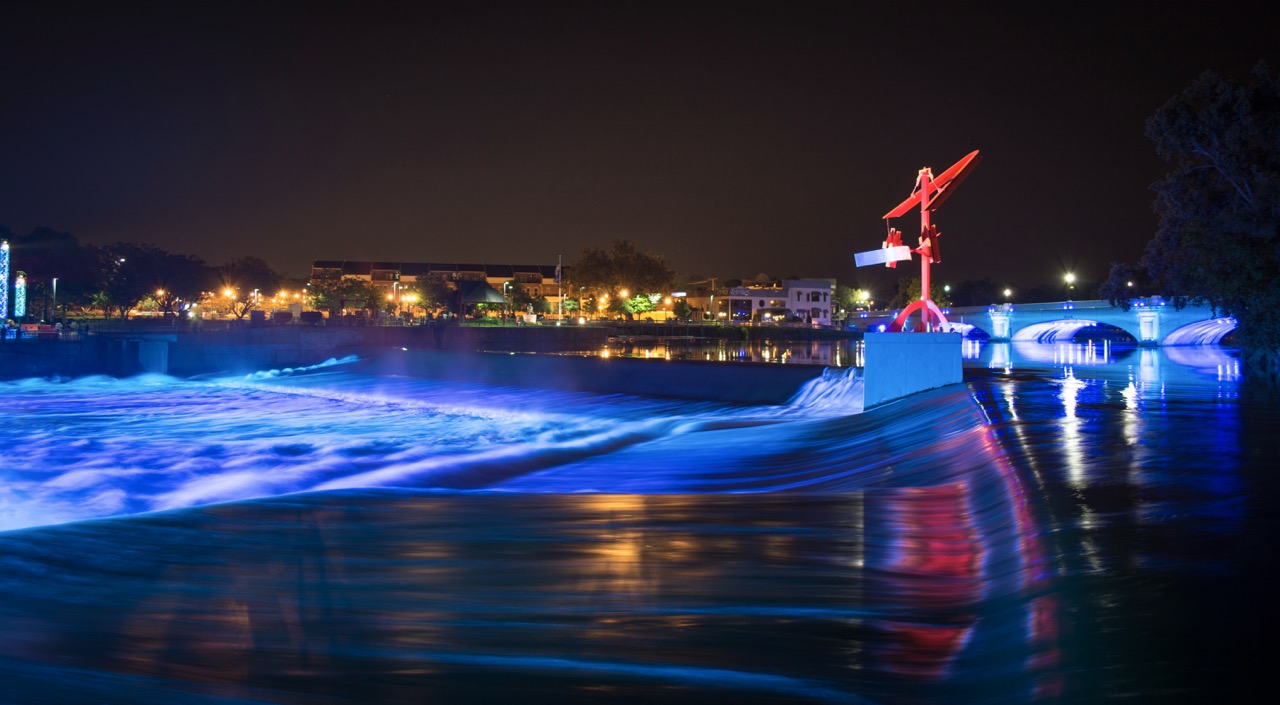
Photo courtesy of Visit South Bend Mishawaka
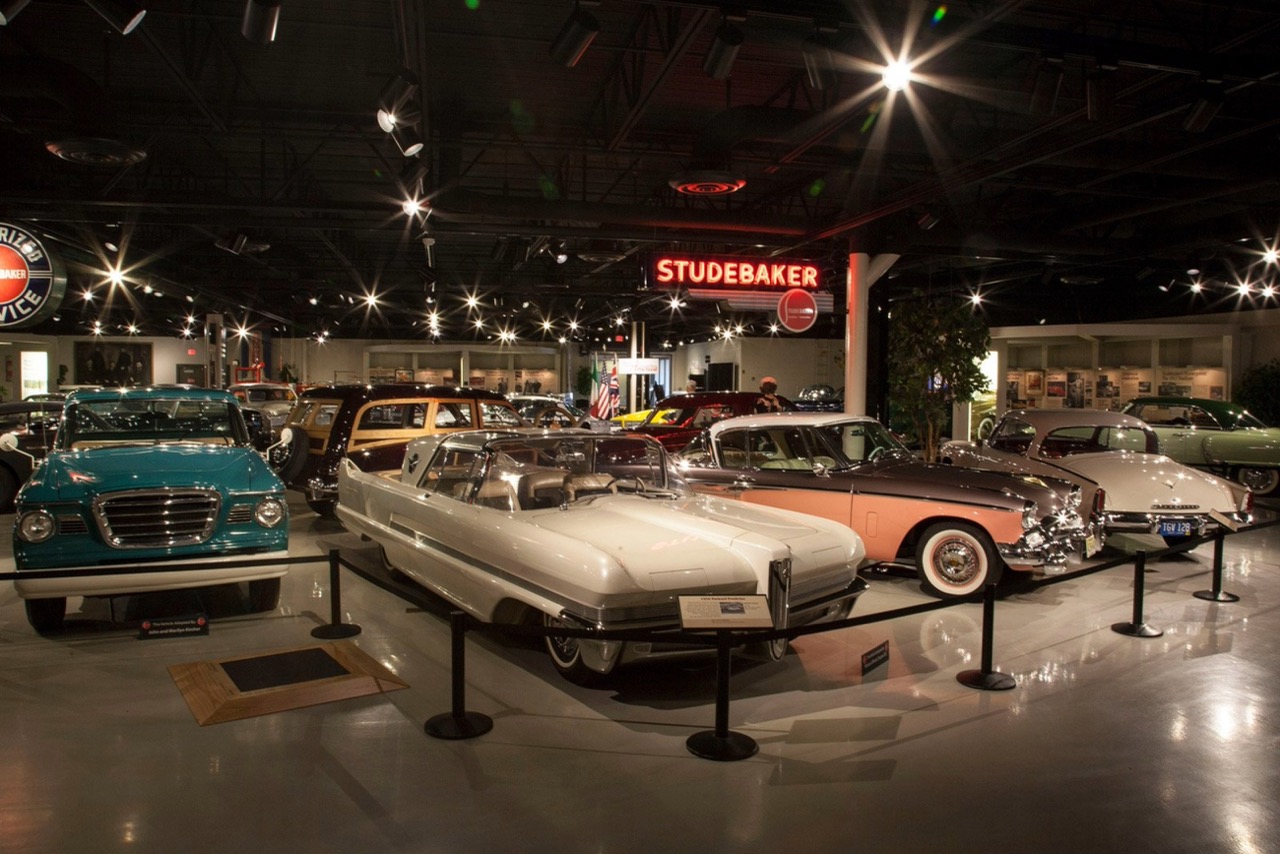
Photo courtesy of Studebaker National Museum
BY NICOLE THOMAS
South Bend, Indiana, is named after the bend in the St. Joseph River that curves north toward Michigan. The Potawatomi and Miami tribes used canoes to travel the river for trade and transportation. Today, visitors can experience the river through whitewater rafting, kayaking, rowing, and fishing.
Cruising through history
More than 100 vehicles dating from the 1800s to the present day are on display at the Studebaker National Museum, which celebrates the legacy of the automobile corporation that was based in South Bend from 1852 to 1968. The museum is home to the world’s largest collection of U.S. presidential carriages and features the barouche that Abraham Lincoln rode to Ford’s Theatre on the night of his assassination. Special exhibits also include “Moments That Made Us,” a celebration of America’s 250th birthday that explores how local South Bend history helped shape our country’s story through artifacts, photographs, and firsthand accounts. Visitors can learn about milestones such as the 1882 debut of the electric streetcar, which helped revolutionize urban transportation.
Lighting up the night
Every night at dusk since 2015, the South Bend River Lights illuminate the St. Joseph River, casting vibrant colors across the water until sunrise. The display, created to celebrate South Bend’s 150th birthday, changes colors for special occasions, like glowing red, white, and blue for the Fourth of July or green during University of Notre Dame football games.
Dino discoveries
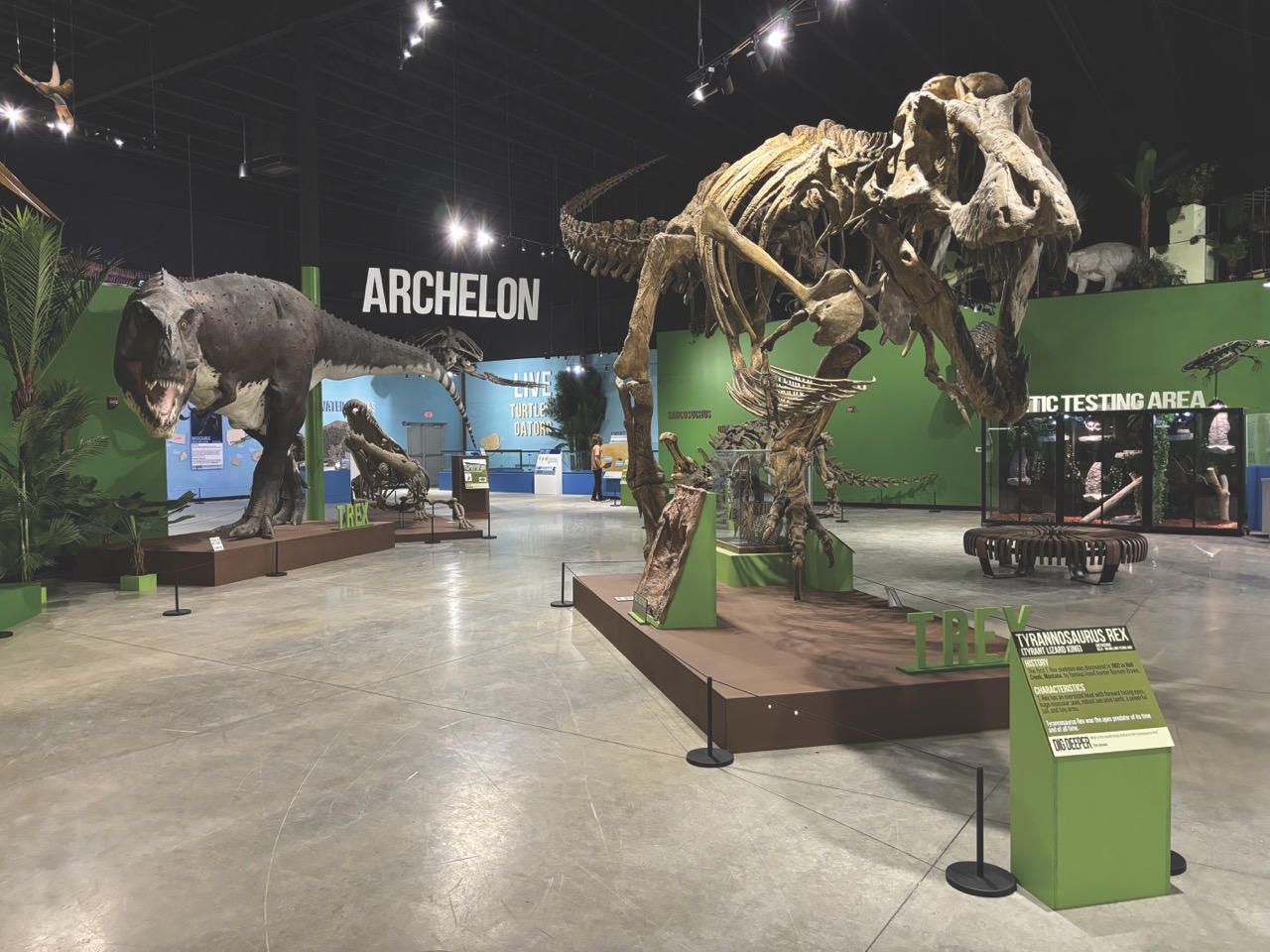
With 43 dinosaur sculptures and 30 skeletons, the Indiana Dinosaur Museum houses one of the country’s largest dinosaur collections. Opened in 2014, the museum features a paleontology laboratory where visitors can watch paleontologists remove and prepare dinosaur fossils from rock. Guests can also explore the museum’s aquatic exhibit, which is home to the skeleton of the world’s largest turtle, measuring 17 feet wide. Beyond its exhibits, the museum’s 90-acre Continental Divide Park includes a buffalo pasture and scenic walking trails.
City Facts
FOUNDED: 1865
NAMED FOR:
The bend in the St. Joseph’s River
POPULATION: 103,453