Last month, the REMC did a story about the cooperative’s board of directors. This month, we wanted to discuss how two of our local directors work with other cooperative partners to help REMC members and employees.
Hoosier Energy
Harrison REMC is one of 17 member cooperatives that own and govern Hoosier Energy, a generation and transmission (G&T) cooperative which provides wholesale power and transmission.
Each one of those cooperatives has a representative on the Hoosier Energy board of directors, which meets monthly for updates on projects, reports from committees, updates on industry trends, and to discuss future project proposals.
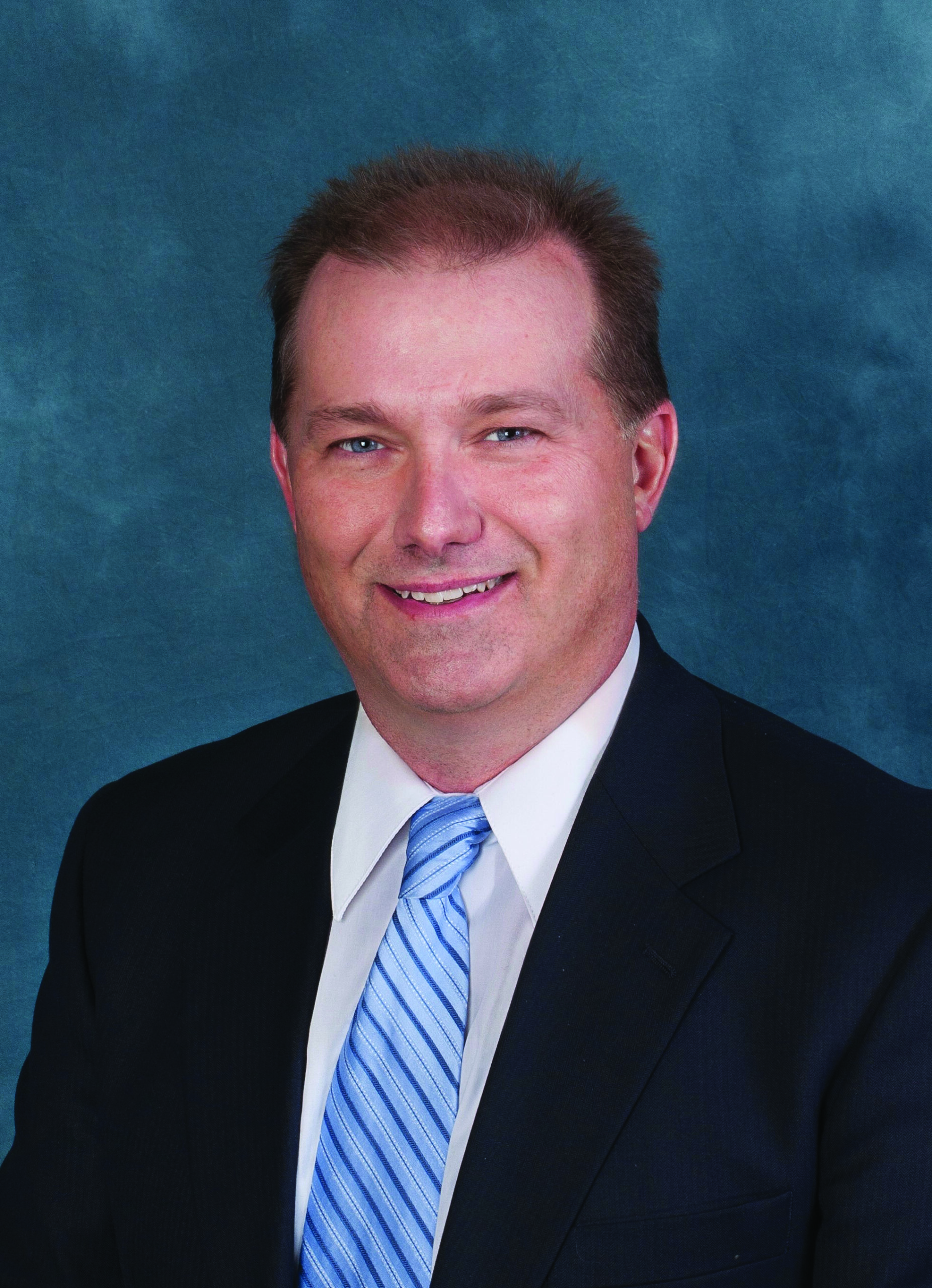
Harrison REMC is represented by Darin Duncan, who has served on the Hoosier board for over 20 years. He is a past chairman of the Hoosier board and chaired multiple board committees during that time. In addition to serving on the Hoosier board, Duncan also serves as Hoosier Energy’s director on the ACES Power board in Carmel, Indiana. ACES is an electric G&T cooperative-owned energy management company that partners with its members and customers to provide services that help manage risk. It assists members with commodity trading services including power, natural gas, fuel oil, emissions, renewable energy credits, transmission, or natural gas pipeline transportation. “The opportunity to serve on the ACES board for Hoosier has allowed me to be better informed at the national level on the challenges and opportunities that exist in today’s power grid,” said Duncan.
“I enjoy the opportunity to serve on the Hoosier board and to work with other member cooperatives to help ensure we have a safe, reliable, and affordable power supply for all our members,” Duncan said.
The equal representation on the Hoosier Energy board of directors helps to ensure that decisions are made in the best interest of the collective membership. Each cooperative shoulders an equal portion of the burden, making the whole greater than the sum of the parts. This representation creates a community of co-ops, employing the same cooperative principles as each member does at the local level.
“We all face challenges, and the energy business is complex. It’s critical that we have qualified, well-educated, and experienced board members to manage the G&T in today’s energy environment,” Duncan said. The U.S. power grid is experiencing significant issues, such as the balance between supply and demand and an aging electric transmission infrastructure. Keeping generation plants available and affordable is essential, especially when the nation is seeing an increased electricity demand from development such as crypto-currency and data centers. Making sure that development doesn’t unfairly increase residential costs is of prime concern for Duncan.
In the past two years, Hoosier Energy has added a pair of significant new generation resources via the Palisades Nuclear Power Plant in Michigan, due to begin operation in 2026, and St. Joseph Energy Center, a natural gas combined cycle facility in New Carlisle, Indiana. Hoosier has secured more than $675 million in New ERA funding from the USDA to support the purchase of 370 megawatts of Palisades’ output as well as another 250 MW of solar energy.
The portfolio for Hoosier Energy also includes wind energy and hydropower.
“As a generation partner for Harrison REMC members, this helps with affordability,” said Duncan. “Based on the number of members per mile of line, electric cooperatives should be much higher than investor-owned utilities, but they are not. Our rates are often lower than the local investor-owned utility who serves a much denser population.”
Ultimately, Hoosier Energy helps Harrison REMC address three of the things that matter most to our members — reliability, affordability, and sustainability.
Indiana Electric Cooperatives
Established in 1935, Indiana Electric Cooperatives (IEC) was formed to represent rural electric cooperatives in Indiana — and they were the first organization of this kind in the country.
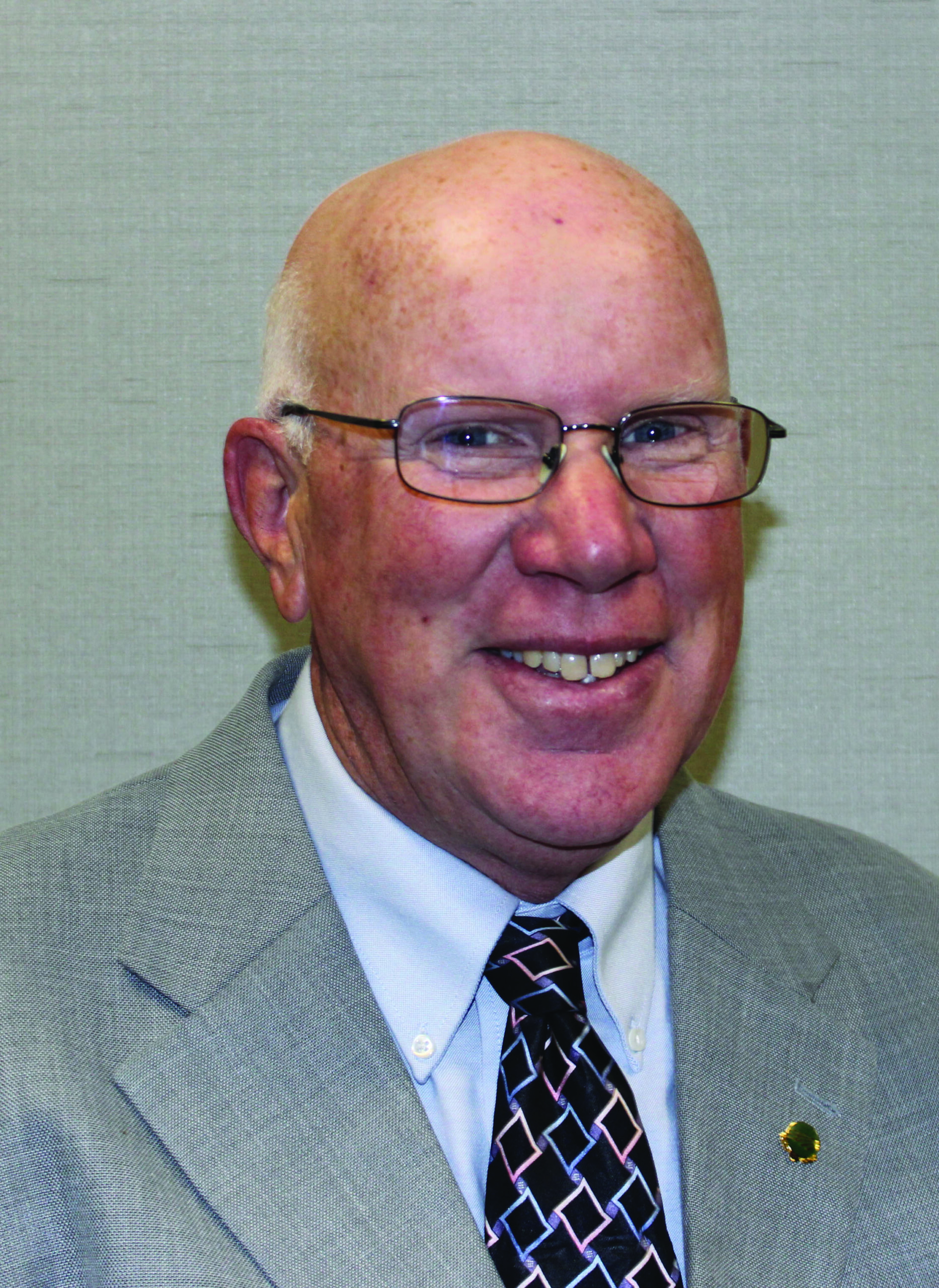
Harrison REMC Director Dave Walther has served on the board for 21 years and has represented the co-op on the IEC board of directors for 17 years. He has decided not to run this year for reelection to the Harrison REMC board. “My time on the Harrison REMC and IEC boards has been a great experience, and I wouldn’t trade that time spent for anything,” stated Walther.
IEC supports Harrison REMC and the other 37 member cooperatives with the tools and resources they need to operate safely, efficiently, and legally. That means working with legislators and facilitating government relations, providing professional development training and safety instruction, making sure cooperatives are compliant with regulations, creating opportunities for community outreach, and always representing the best interests of cooperatives and their members.
IEC’s strategic plan ensures it is always working to support Indiana cooperatives. This revolves around four key principles: unifying, leading, serving, and advocating for cooperatives. If any cooperative is facing difficulties for any reason, anything from coping with a natural disaster to complying with complex new legislation — IEC will make sure it has all the support to deal with it successfully.
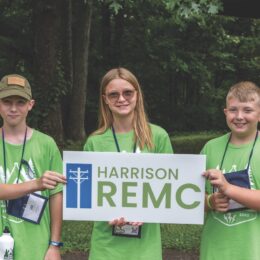
IEC also works with the co-op in offering programs for youth such as Camp Kilowatt, Youth Tour, Page Day, and the cooperative art contest. It helps cooperatives communicate with their members by publishing the monthly Indiana Connection magazine, and its government regulations team keeps all informed about upcoming legislation and how it involves the co-ops.
“As a Harrison REMC board member for the last 21 years, it has been an experience to learn so much about the rural electric and cooperative systems. To have seen and been involved in the evolution to what Harrison REMC is today is amazing and our focus is always doing what is right for the members,” said Walther.
While the landscape of rural electric cooperatives is much different today, Harrison REMC’s mission, along with that of our partners, is still the same as IEC’s aforementioned mission: to provide a unified voice for our members while helping to lead, serve, and advocate for their best interests.