
CEO
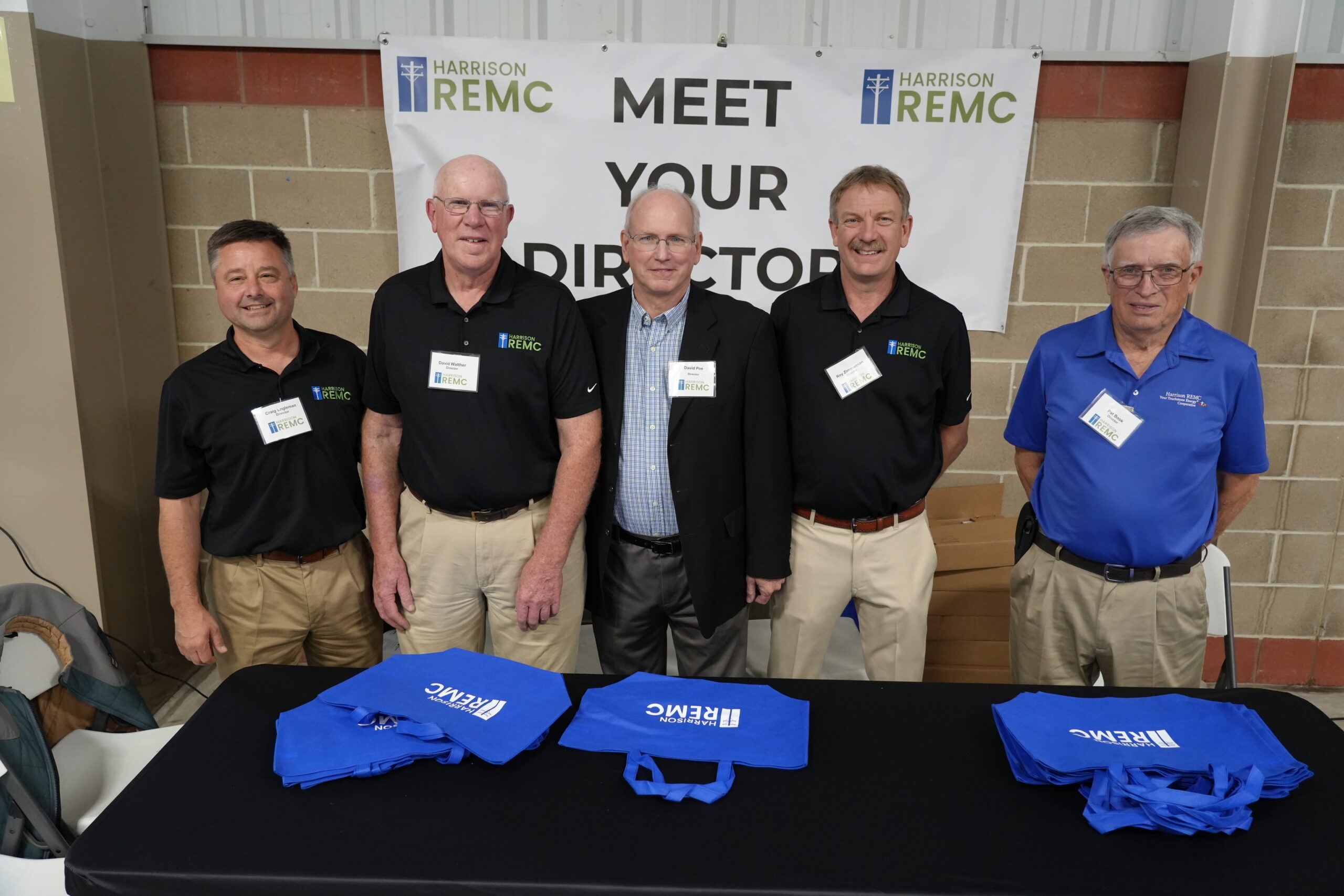
Local decisions matter, especially when they affect your neighbors and something as essential as electricity. At Harrison REMC, a not-for-profit, member-owned electric cooperative, decisions are guided by a nine-member board of directors from throughout the communities the cooperative serves. They set policies, approve budgets, establish rates, and guide longterm infrastructure investments, among other responsibilities. And they experience the same storms, depend on the same power, and share the same expectations for safe, reliable electric service as the rest of the membership — because they are your neighbors.
LEADERSHIP ROOTED IN THE COMMUNITY
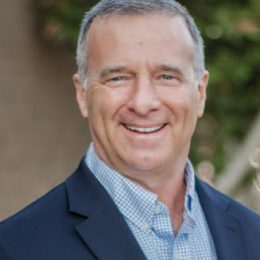
Dave Poe, a Harrison REMC board director and current chairman, has served on the board for 17 years. With experience as a small business owner and in construction, Poe brings a strong sense of community responsibility to his role.
“Living in the community lets you see how your decisions affect your members,” Poe says. “Board decisions not only determine the rates members pay, but they can also influence economic development and help improve quality of life. Providing electricity for everyone is not a luxury — it’s a necessity in the modern world.”
For Poe, the most important factor in any major decision is understanding how it will impact the cooperative and its members both now and in the future.
“Our board responsibilities require us to ensure the co-op can provide electricity and other services not just next year, but for the next 20 to 30 years or longer,” he says.
Through policy guidance and oversight, directors support a strong safety culture designed to protect both employees and the public.
“Our entire board understands how important it is to make Harrison REMC a safe place to work,” Poe says. “We want a workplace where employees feel supported and have opportunities to grow and advance.”
Board members work to ensure crews have the training, equipment, and support needed to perform their jobs safely and return home to their families each day.
WHAT IT TAKES TO SERVE
Serving on the board of directors requires a significant commitment of time and ongoing education. Board members must understand the electric utility business, financial oversight, governance practices, and regulatory requirements. As technology evolves and the energy industry continues to change, continued commitment to education is essential.
“What was surprising for me, and I think for any member wanting to serve on the board, was how much there is to learn before you feel like you are becoming knowledgeable enough to make intelligent decisions,” says Poe. “Being a board member has required much more time and effort than I thought it would in the beginning.”
Directors regularly participate in training through Indiana Electric Cooperatives and the National Rural Electric Cooperative Association.
For Poe, some of the most valuable learning experiences come from sharing classrooms and conversations with directors from other cooperatives. Hearing how others have addressed challenges or proactively solved potential issues often proves just as informative as the formal curriculum.
A NEW VOICE IN THE BOARD ROOM
Joining the board more recently is Leah Huber, who started on the board in May 2025. Huber brings a strong financial background and a personal connection to cooperative service. She has education and experience in accounting and finance — and a family legacy of board involvement through her grandmother, Lucille Missi, who served for 20 years.
“My background in accounting and finance helped me quickly understand the cooperative’s financial position,” Huber says. “Now, I’m prioritizing additional training specific to the electric cooperative model. Through these educational opportunities, directors like me gain the tools and knowledge they need to serve the community effectively.”
Through strategic guidance and strong local representation, the board helps ensure the cooperative remains ready to serve its members — now and in the future.
“The board has a responsibility to future members; it must ensure our co-op remains in a strong and sustainable position,” Huber says. “We also have a responsibility to make sure those members have the overall education needed to understand what a co-op is, how co-ops serve the community and how they, as a member, play a part.”
Your board of directors
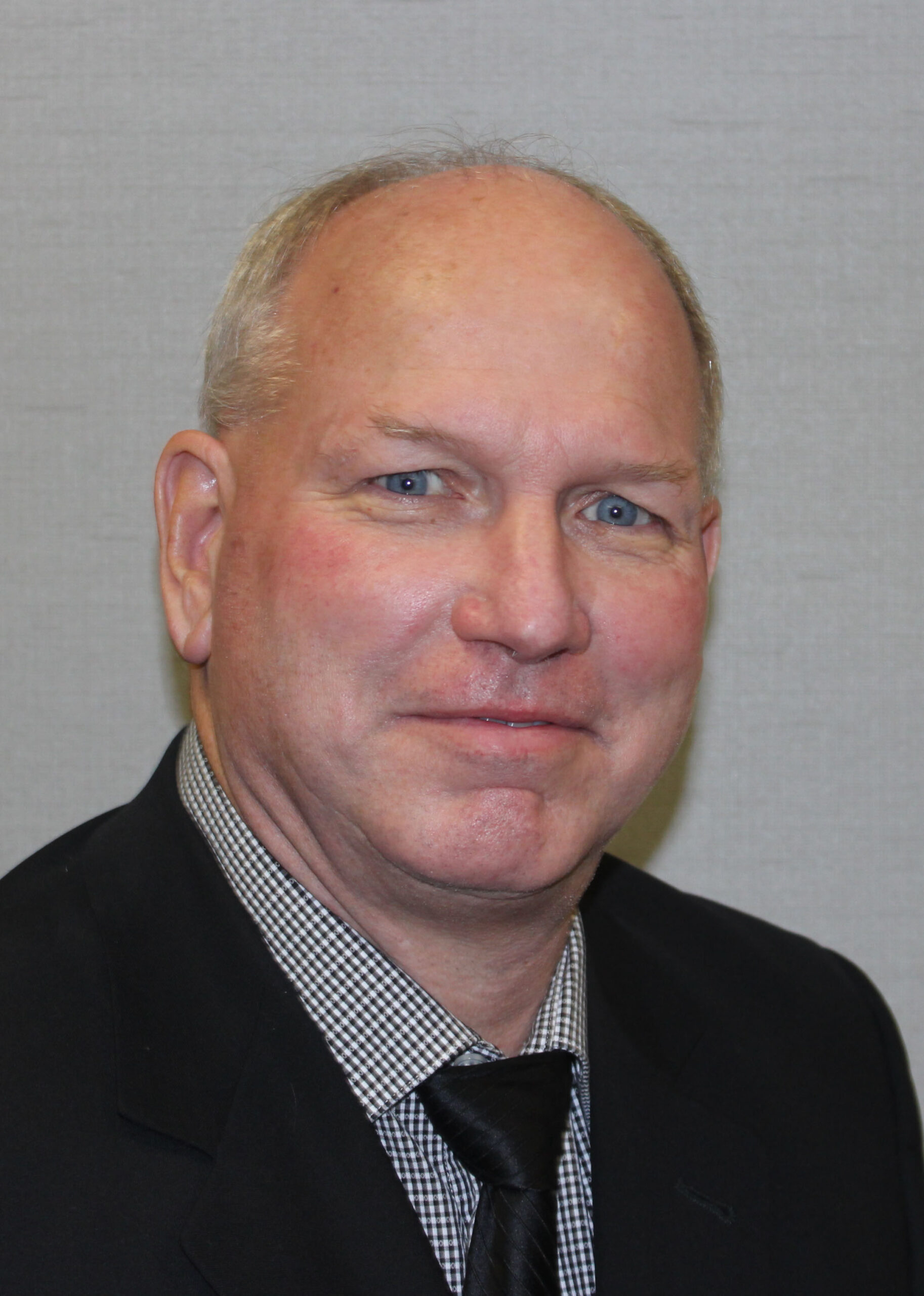
DISTRICT 1

DISTRICT 2

DISTRICT 3
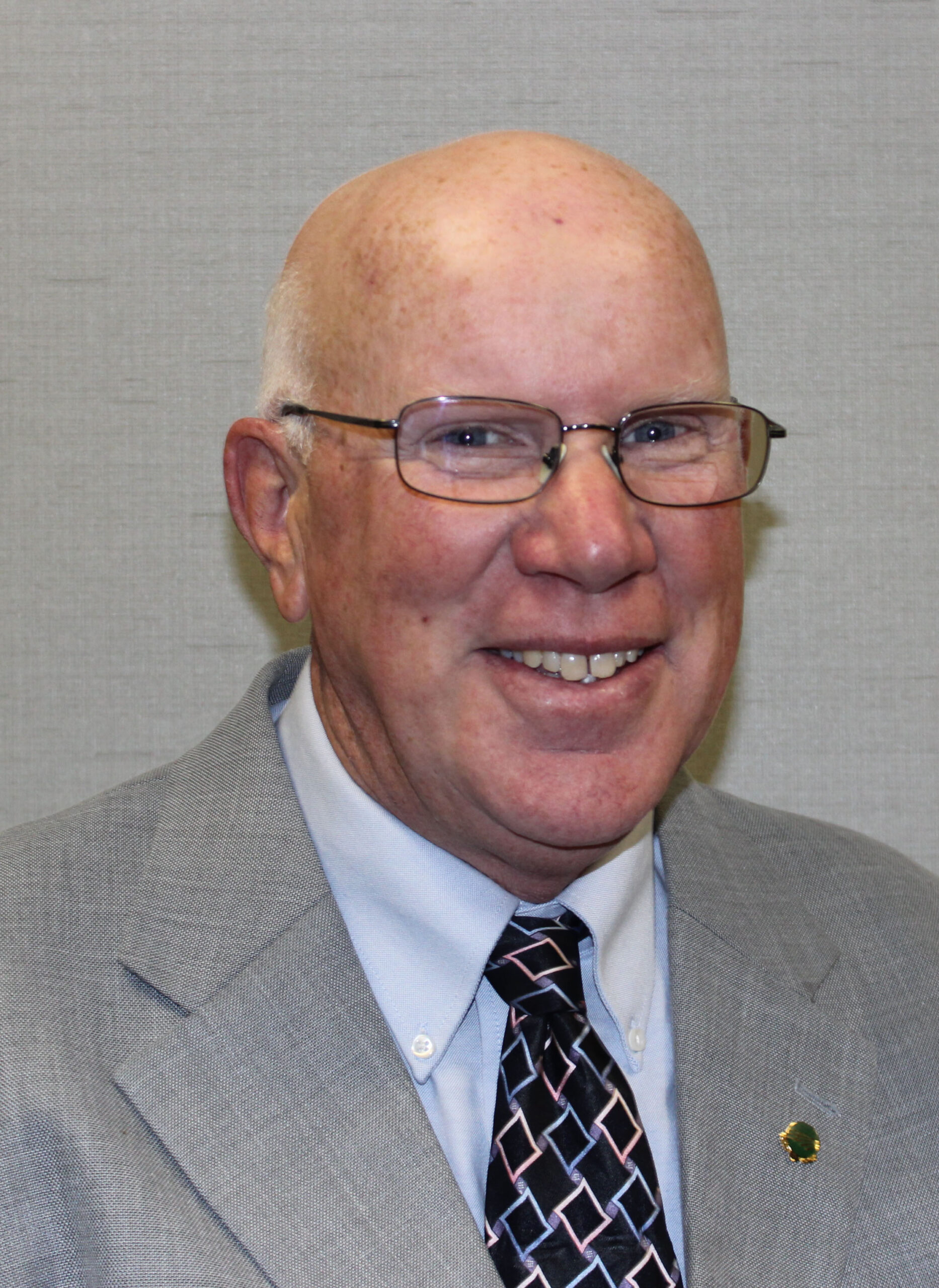
DISTRICT 4

DISTRICT 5

SECRETARY-TREASURER
DISTRICT 6

DISTRICT 7
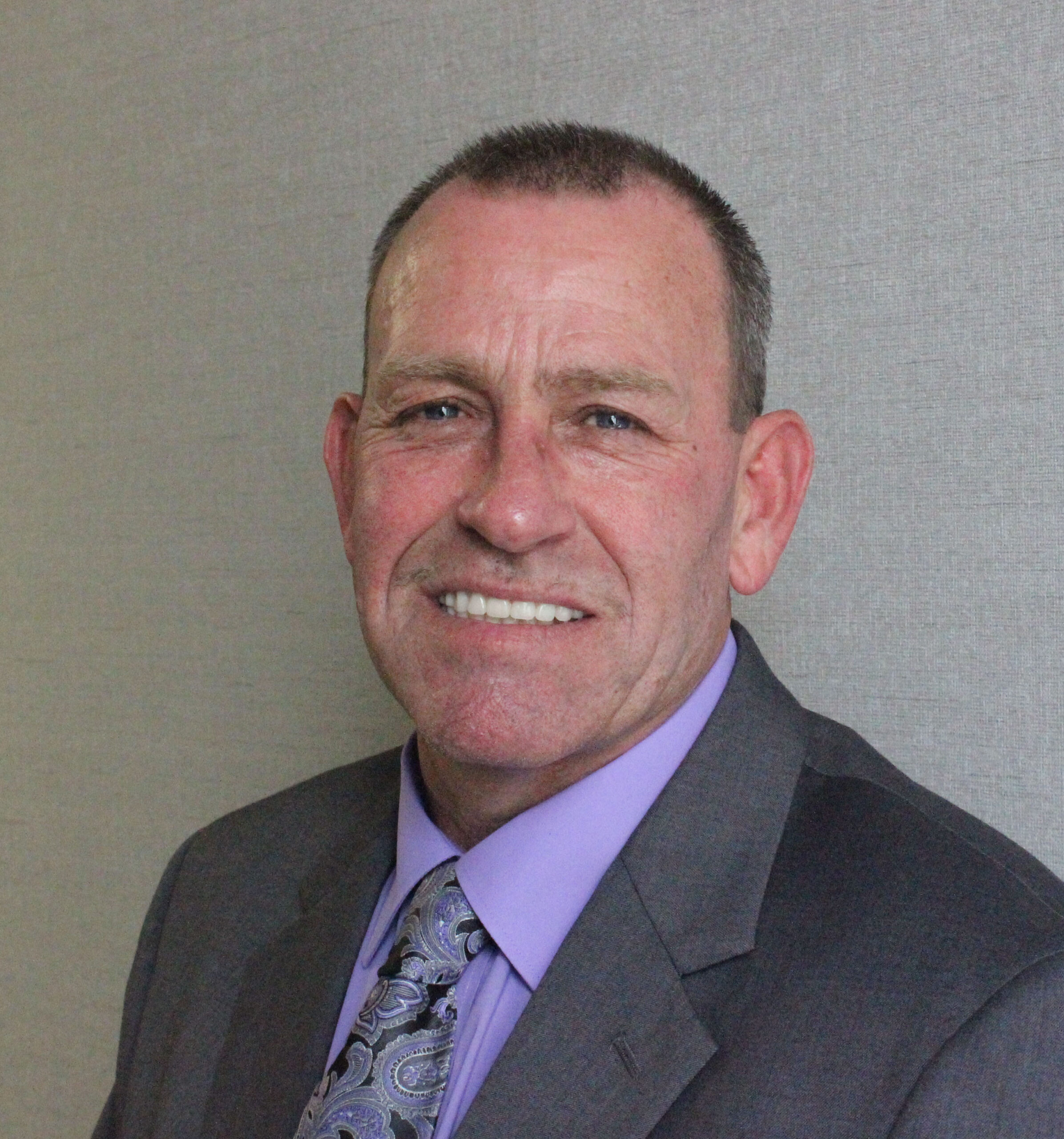
DISTRICT 8
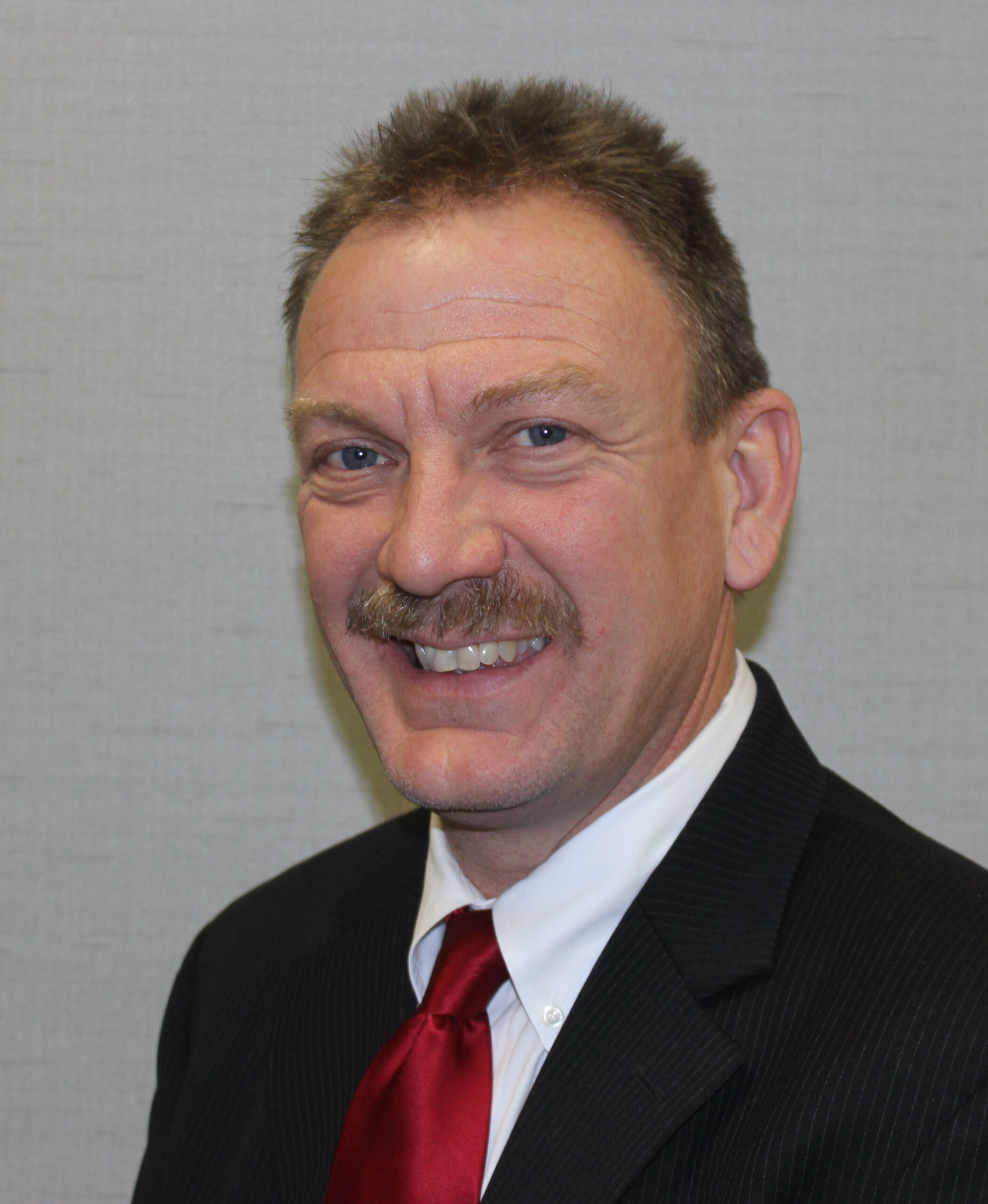
DISTRICT 9