

Think “energy efficiency” and what comes to mind? Often, it’s home improvements that can slash electricity use and costs.
However, often overlooked but no less important are the many ways that a business can save energy — and maximize its investments.
It can start with something as simple as lighting upgrades. Whether it’s switching to LED lighting or installing smart lighting controls, rebates and incentives are available.
Rebates are also available on Variable Frequency Drives (VFDs) for motors and pumps. Examples include HVAC supply and return fans, cooling tower fans, water pumps, and compressors. These rebates vary. Some are based only on the VFD itself, while others might offer the option to include installation, auxiliary devices, and other costs. Though some of these rebates may require an application to be filled out prior to the project being started, others can be applied for upon completion.
Weather sealing and insulation improvements can help with heating and cooling efficiency.
Check with your local cooperative, as well as the manufacturer of the item being upgraded, to understand all the available rebate options, in addition to potential tax credits.
The Indiana Office of Energy Development (OED) also offers a number of loans and grants to businesses, which make energy efficiency upgrades more affordable.
There are also incentives available in conjunction with economic development groups, allowing businesses to optimize rates.
The next level of business incentives comes with distributed generation and distributed energy resources (DERs). This can include solar panels, wind turbines, battery storage, microgrids, and combined heat/power systems.
DERs often require a significant initial investment, so incentives such as tax credits, rebates, grants, and subsidies make this more financially appealing.
Whatever form these financial incentives take, they can help encourage businesses to invest in energy efficiency upgrades. This not only helps a business’ bottom line, but it also reduces the local energy provider’s load. That ensures consumers like you can continue to have access to safe, reliable electricity.
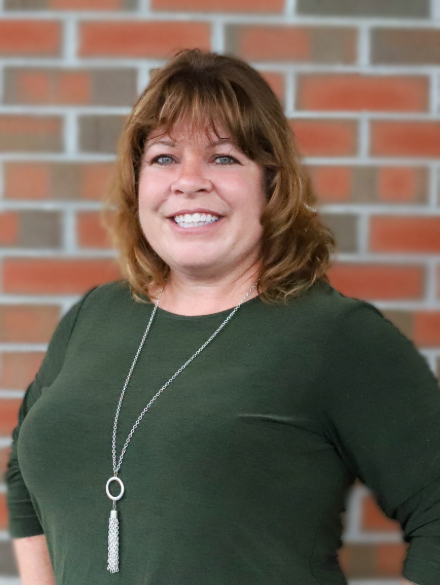
Carey Wade is the senior Billing, MSR, and key accounts coordinator at Daviess-Martin County REMC in Loogootee, Indiana.