
By Nick Geswein
In Indiana, whether it’s summer or winter, storms can quickly cause power outages that last for extended periods. That means having a generator to power your home can be critical. Choosing the right type and size of generator is equally important.
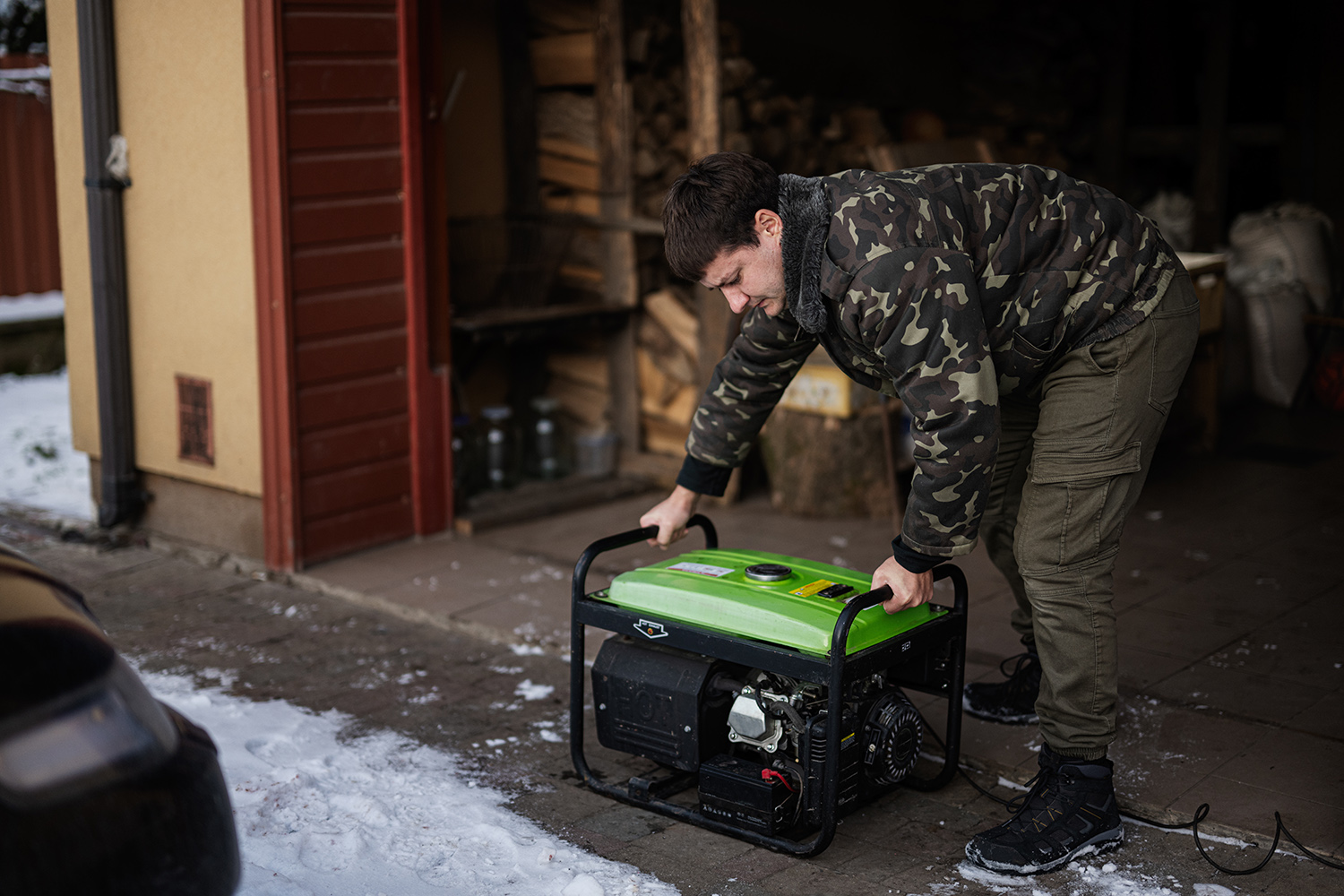
Portable generators
Portable generators range from small units that can power a single home appliance or be used when camping or tailgating to larger units that can provide power for the majority of a home’s needs. Depending on the wattage and the brand, the price can range from $400 to $2,000. Larger portable generators can burn through 20 gallons of gasoline per day.
Inverter generator
Another option is an inverter generator. It throttles the engine up and down to supply power more efficiently, but these tend to be more expensive, ranging from $300 for units less than 1,500 watts up to $5,000 for units 5,000-plus watts and 220-volt capable.
Standby generators
There are also home standby generators that generally cost between $5,000 and $7,000. However, they require permanent installation, which will cost more.
Finding the right size
How do you determine the right generator size for your needs?
- Decide what appliances and systems you want to power.
- Add up the wattage for all of those appliances and systems.
- Choose a generator that is no more than 20% larger than your total wattage requirement. If
you choose a generator that produces much more power than you’re using, you’re being
energy inefficient and costing yourself money. - Consider using smart load management systems to prevent oversizing.
- For accurate sizing, use online calculators or consult with an energy efficiency professional. If you have questions, contact your cooperative.
The bottom line is that envisioning your home without power is the best way to determine your needs. What would you need depending on the length of an outage? Your needs for an extended outage will give you an idea of where to start sizing your generator.
Once you settle on a generator, remember that it should be installed with a proper transfer switch to prevent it from backfeeding the grid and possibly endangering the lineworkers attempting to restore power.
Nick Geswein is the energy advisor at Harrison REMC in Corydon, Indiana